Classification society inspections aren’t just another compliance step; they’re the backbone of keeping any vessel safe, seaworthy and commercially viable. And for offshore companies in Mumbai, where the work is complex, high-risk and highly regulated, these inspections become even more critical.
Who Sets the Standards
Organisations like LR, DNV, IRClass, ABS and others set the technical standards for everything that keeps a vessel safe: hull structure, machinery, fire protection, pollution prevention and more. Their surveys, initial, annual, intermediate and renewal confirm that a vessel actually meets the major international rules you hear about, such as SOLAS and MARPOL.
What Marine Surveyors Really Do Offshore
For offshore operations, this goes even deeper. A marine surveyor isn’t just walking around with a clipboard. They’re examining dynamic positioning systems, cranes, lifting gear, machinery, safety systems, and all the equipment that offshore engineering teams depend on daily. These classification checks catch failures early, reduce downtime, prevent regulatory penalties, and ultimately keep people and assets safe.
Proven Safety Impact
Groups like IACS have documented for years how class rules tie directly into safer design, construction and lifecycle management across both merchant fleets and offshore assets.
Why This Matters More Now for India
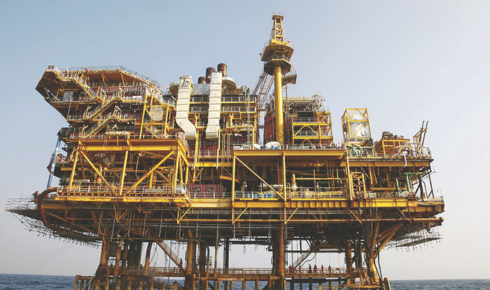
There’s a very real commercial angle here. With India’s offshore sector ramping up again, including BP/ONGC plans to boost Mumbai High oil output by ~44% and gas by ~89%, demand is rising fast for offshore engineering, oil and gas engineering, and the certified vessels and rigs that support them. If a vessel isn’t properly classed, it’s not insurable, it’s not entering international ports, and it’s not winning contracts. It’s that simple.
Conclusion
Regulators and port state control also rely heavily on class records. Risk-based inspection regimes like the Paris MoU consistently show that vessels with strong, up-to-date class surveys face fewer detentions and fewer incidents, which translates into safer offshore operations and lower lifecycle costs.
Thus, classification inspections aren’t bureaucracy. They’re a safety and commercial lifeline, protecting crews, the environment, and the bottom line for shipowners and the many offshore companies in Mumbai that depend on reliable vessels, surveyors, offshore engineering expertise, and oil and gas engineering support.