Category: Home services

  • Planning a Home Move in the UK: What You Need to Know Before Hiring a Removal Company

    Planning a Home Move in the UK: What You Need to Know Before Hiring a Removal Company

    Moving house ranks among the most stressful life events, right up there with changing jobs or starting a new relationship. Boxes pile up, deadlines loom, and suddenly you’re negotiating with three different removal firms while trying to remember where you packed the kettle. Whether you’re relocating across town or moving several hours away, understanding how removal services actually work can save you money, time, and a fair amount of frustration.

    This guide walks through what to expect from professional movers, how pricing typically works, and the practical steps that make any move smoother, regardless of which UK city you’re leaving or arriving in.

    Why Hiring Professional Movers Makes Sense

    Some people genuinely enjoy the challenge of a DIY move — renting a van, roping in friends, and powering through a weekend. For smaller moves, like a studio flat with minimal furniture, that approach can work fine. But once you’re dealing with a full house, delicate items, or a long-distance relocation, professional help tends to pay for itself.

    Trained movers know how to lift heavy furniture without damaging staircases or door frames. They bring proper packing materials, understand how to load a van so nothing shifts during transit, and carry insurance that covers your belongings if something goes wrong. That last point matters more than people realise — a scratched dining table or a cracked mirror can turn an exciting move into a costly one if there’s no protection in place.

    Companies offering Removals Portsmouth UK services, for instance, often deal with a mix of coastal properties, narrow Victorian terraces, and modern flats near the harbour, each presenting different access challenges. Local knowledge like this isn’t something you get from a generic van hire.

    What Affects the Cost of a Removal Service

    Removal pricing isn’t random, though it can feel that way when quotes come back wildly different. Several factors typically drive the final figure:

    • Distance between properties – Local moves cost less than cross-country ones, partly due to fuel and time.
    • Volume of belongings – A one-bedroom flat costs far less to move than a five-bedroom house.
    • Access difficulties – Narrow streets, no parking, multiple flights of stairs, or a lack of a lift can increase labour time.
    • Packing services – Full packing (where the company packs everything for you) costs more than a service where you pack yourself and they just transport.
    • Time of year – Weekends, bank holidays, and the end of the month (when many tenancies begin or end) tend to be pricier due to demand.
    • Additional services – Furniture disassembly, storage, or transporting specialist items like pianos usually come with extra charges.

    Getting a proper in-home or video survey rather than a rough phone estimate almost always leads to a more accurate quote, and fewer surprises on moving day.

    How to Choose a Reliable Removal Company

    Not every removal firm operates to the same standard, so a bit of due diligence goes a long way.

    Check Credentials and Reviews

    Look for membership with recognised industry bodies, such as the British Association of Removers (BAR), which requires firms to meet certain standards around insurance, staff training, and customer service. Independent reviews on Google or Trustpilot also give a realistic picture of how a company handles real customers, not just their best days.

    Confirm Insurance Coverage

    Ask specifically what’s covered under their goods-in-transit insurance and whether there’s a cap on claims. A reputable firm will explain this clearly rather than brushing past the question.

    Get Multiple Quotes

    Three quotes is a reasonable minimum. This isn’t just about finding the cheapest option — it helps you spot when a quote seems unusually low, which can sometimes signal hidden fees or corners being cut.

    Ask About Their Process

    A good company will walk you through how they handle fragile items, whether they provide wardrobe boxes, and how they schedule the day itself. If a firm is vague on these details, that’s often a red flag.

    Regional Considerations: Coastal Moves vs City Moves

    Different parts of the country come with different logistical quirks. Coastal towns often have older housing stock with tighter staircases and limited parking, which can slow down loading and unloading. City moves, on the other hand, frequently involve permit requirements for parking removal vans, especially in busy residential areas.

    For anyone researching Manchester Removal Services, it’s worth noting that the city’s mix of high-rise apartments, terraced housing, and suburban semis means movers need to be genuinely flexible. A team experienced with lift bookings in city-centre apartment blocks will handle that kind of move very differently from one used to detached houses in the suburbs. Asking a potential removal company about their experience with your specific property type is a simple but effective way to gauge whether they’re the right fit.

    Practical Tips for a Smoother Move

    • Declutter before you pack. Moving less stuff is the cheapest way to reduce your quote.
    • Label boxes by room, not just contents. It speeds up unloading dramatically.
    • Pack an essentials box. Keep chargers, toiletries, medication, and a change of clothes separate so you’re not digging through boxes on your first night.
    • Take meter readings. Photograph gas, electricity, and water meters on both moving out and moving in.
    • Confirm timings in writing. Verbal agreements about arrival times can lead to misunderstandings; get it in an email or contract.

    Frequently Asked Questions

    How far in advance should I book a removal company?

    Ideally four to six weeks ahead, especially if you’re moving during a weekend, bank holiday, or at month-end when demand is highest. For smaller or midweek moves, two to three weeks is often enough.

    Do removal companies provide packing materials?

    Most do, either included in a full-service package or available to purchase separately, such as boxes, tape, and bubble wrap. It’s worth asking upfront whether materials are included or charged as an extra.

    What items won’t removal companies transport?

    Flammable substances, gas canisters, certain chemicals, and perishable food are typically excluded for safety reasons. Always check the company’s list of prohibited items before moving day.

    Is it cheaper to move on a weekday?

    Generally yes. Weekday moves, particularly outside of school holidays, tend to be less expensive than weekend slots because demand is lower.

    Should I tip removal staff?

    It’s not obligatory, but it’s a common courtesy, especially if the crew has worked hard or dealt with a difficult access situation. Cash tips or covering lunch are both appreciated gestures.

    Can removal companies help with storage if my new home isn’t ready?

    Many firms offer short-term or long-term storage solutions, which can be useful if there’s a gap between moving out and moving into your new property. It’s worth asking about this during the quoting stage rather than last minute.

    Moving home will probably never be entirely stress-free, but choosing the right removal partner, planning ahead, and understanding what drives cost can turn a chaotic process into a manageable one. Take the time to compare options properly, ask the right questions, and you’ll set yourself up for a move that goes far more smoothly than you might expect.

  • The One Meeting That Decides Whether a Commercial Build Goes Smoothly

    The One Meeting That Decides Whether a Commercial Build Goes Smoothly

    A contractor friend of mine has this line he uses with every new commercial client — “tell me what you’re actually trying to run in this building, not just what it looks like on paper.” He says half of them can’t fully answer that question on day one, and honestly, that’s fine, that’s kind of the point of the conversation. But the ones who skip that conversation entirely, who just want walls up and lights on as fast as possible, tend to be the ones calling him back eighteen months later asking why they’re already out of capacity.

    It’s a pattern he’s seen enough times that he brought it up unprompted, which tells you something.

    Why the Early Conversations Matter More Than People Think

    There’s a temptation, especially with commercial builds, to treat electrical work as something you figure out once the structural stuff is basically settled. That’s backwards, honestly. Good electrical planning needs to happen alongside the architectural decisions, not after them, because where your kitchen equipment goes, where your server room sits, how your retail floor’s laid out — all of that shapes what the power system underneath needs to look like.

    I’ve heard this compared to laying foundation for a house, and it’s not a bad comparison. You wouldn’t pour concrete without knowing roughly what’s going on top of it. Same logic applies here, just less visible and, weirdly, less respected in a lot of project timelines.

    What Actually Separates the Smooth Builds From the Messy Ones

    Ask anyone who’s managed a commercial build and they’ll tell you — a successful commercial project almost always has a boring, unremarkable electrical story. Nobody’s scrambling for extra circuits mid-construction, nobody’s arguing with an inspector over code violations discovered too late, nobody’s ripping open finished walls because someone forgot about the walk-in cooler’s dedicated line. The absence of drama is basically the whole win.

    What’s interesting is that this “boring” outcome takes real effort to achieve. It’s not luck. It comes from someone sitting down early, asking uncomfortable questions about future growth, current equipment loads, and worst-case scenarios, and then actually building a plan around the answers instead of guessing and hoping it works out.

    Building for Where You’re Going, Not Just Where You Are

    Here’s something that gets overlooked constantly — businesses change. The retail space you’re wiring today might house a completely different kind of tenant in five years. The warehouse might triple its automation. If your electrical system is built exactly to today’s needs and nothing more, you’re basically guaranteeing a disruptive, expensive overhaul down the line.

    This is where thinking in terms of genuinely optimized, scalable electrical solutions becomes worth the extra planning time upfront. It’s not about overbuilding wastefully — nobody needs triple the capacity they’ll ever use — but leaving reasonable headroom, planning panel locations that can accept expansion, and choosing infrastructure that bends a bit as the business’s needs shift. A system built with zero flexibility is a system that ages badly, and commercial spaces tend to change hands, purposes, and tenants more often than people expect.

    A Few Honest Questions Worth Asking Early

    If you’re heading into a commercial project, ask your electrical contractor directly what happens if you need to double your equipment load in three years. Ask how much spare capacity is being built into the panel now versus later. Ask whether they’re designing around your stated needs only, or actually thinking a few steps ahead. The answers will tell you a lot about whether you’re working with someone who plans or someone who just executes.

    And don’t be afraid to slow down this part of the process, even when everyone around you is eager to start construction. The few extra days spent getting the electrical plan right rarely show up as a delay people remember later — but a rushed plan that causes problems mid-build? That one, everyone remembers.

    Wrapping This Up

    Commercial electrical work isn’t glamorous, and it rarely gets mentioned when people talk about what made a project go well. But talk to enough contractors and project managers, and you’ll notice the same thing over and over — the builds that went smoothly almost always had someone thinking seriously about power, capacity, and growth from the very first planning meeting. Not flashy. Just quietly, genuinely, done right.

  • A Friendly, Real-World Guide to Water Levels, Wells, and What’s Normal

    A Friendly, Real-World Guide to Water Levels, Wells, and What’s Normal

    If you’ve ever lifted the lid on your water softener’s brine tank and thought, “Umm… is this supposed to look like that?”, just know — everyone else with a softener has had the same moment. It’s one of those behind-the-scenes home systems that quietly keeps life running smoother, but gets almost no attention unless something looks off. And honestly, the brine tank does look confusing if you don’t know what you’re looking at.

    The good news? Understanding what’s happening inside that tank is easier than you think. No plumbing degree or toolkit required — just a little guidance, a little common sense, and maybe a willingness to poke around with a broom handle if salt bridges show up.

    This article walks you through the essentials: the brine tank water level, how much water should actually be in there, what the brine well does, and how to know when something’s wrong — all explained in a natural, human way, the way someone might explain it over coffee.


    Let’s Start With the Basics: What Your Brine Tank Does

    The brine tank is the salty sidekick of your water softener — the partner that makes everything else possible. While the resin tank removes hardness minerals, the brine tank regenerates those hardworking resin beads by creating a saltwater solution (brine) and flushing the resin clean during the regeneration cycle.

    In simple terms: no brine tank, no soft water. And no soft water means crunchy towels, dull hair, and scale building up on every faucet and appliance you own.

    So yes, the brine tank matters.


    Should There Be Water in There?

    This is the first thing people panic about — and often without reason. Seeing water at the bottom of the tank is usually completely normal.

    But knowing how much water should be there? That’s where it gets tricky.

    A typical softener keeps around 6 to 12 inches of water in the tank. Some high-efficiency models only fill during regeneration, so they look dry most of the time. Others always have water present.

    If you’re wondering how much water in brine tank is normal for your softener, the most straightforward answer is this: a few inches at the bottom is fine, as long as it’s not rising higher than your salt level or submerging everything.

    If your tank looks like a kiddie pool — water halfway or near the top — that’s when something may be off.


    What’s the Brine Well and Why Is It There?

    If your brine tank has a tall tube inside it — usually white, sometimes grey — that’s the brine well on water softener systems. It’s not decorative. It protects the float and safety valve that regulate how much water enters the brine tank at a time.

    Think of it as a protective sleeve. Without it, the float would get buried in salt and become useless. With it, your softener knows when to stop adding water so you don’t end up with an overflowing tank or soggy mess.

    If your brine well is tilted, loose, or completely buried under salt, your system may struggle to regulate water levels.


    The Water Level: What’s Normal vs. Not

    Let’s break down the most common scenarios:

    Normal water level

    A few inches at the bottom. It rises during regeneration and drops afterward. Nothing to stress about.

    Water too high

    Water above the salt level? Bad sign. Possible issues include:

    • Clogged injector
    • Drain line blockage
    • Stuck float valve
    • Salt bridging or mushing

    No water at all

    This can be normal for softeners that fill at the start of regeneration. But if your system normally stores water and suddenly doesn’t, something might not be filling properly.

    Water running constantly

    Definitely not normal. Shut off the system and check the float inside the brine well — it might be stuck.


    What About Salt? Should It Cover the Water?

    Here’s the sweet spot: your salt should stay several inches above the water line. You don’t want only water in the bottom with no salt around it — that leads to weak brine and weak softening performance.

    And don’t fill the tank completely with salt either. That’s how you get salt bridges — those hollow, crusty domes that look solid but hide a giant air pocket underneath.

    Keeping the tank half full is usually the perfect balance.


    How to Check Your System Like a Pro (Without Actually Being One)

    Every month or two, lift the lid and look for the Big Three:

    1. Salt level
      Keep it at least halfway full — not overflowing, not scraping the bottom.
    2. Water level
      Look for that comfortable few inches at the bottom. No flooding. No dryness if your model normally keeps water.
    3. Salt condition
      • Bridging (hard crust)? Break it up.
      • Mush (sludge at the bottom)? Scoop and clean.
      • Chunky clumps? Stir and break lightly.

    A quick check takes thirty seconds and can prevent most water softener failures.


    Common Problems and Easy Fixes

    Salt bridge

    A hard crust forms across the top.
    Fix: Gently poke through it. Don’t jam a metal rod down — plastic is safer.

    Salt mush

    Salt dissolves into thick slush that blocks the grid.
    Fix: Empty the tank and clean it out.

    Overfilled tank

    Float valve stuck or drain issue.
    Fix: Check inside the brine well for a stuck float.

    Low water, no brine

    Clogged injector or siphon issue.
    Fix: Clean the injector (most manuals show this clearly).

    Most issues sound more intimidating than they really are. The brine tank isn’t delicate — just misunderstood.


    And When Should You Worry?

    If the softener stops softening, your dishes spot again, or the shower suddenly feels harsher, something may be up with the brine tank. But the tank itself rarely “breaks.” Instead, it’s usually a minor maintenance issue.

    Call a pro only if:

    • The tank floods repeatedly
    • The softener never regenerates
    • You smell rotten-egg odors (that’s a separate well water sulfur issue)
    • The float or valve assembly is cracked

    Otherwise? You’ve got this handled.


    Final Thoughts: The Brine Tank Isn’t Complicated — Just Overlooked

    Water softeners are one of those home upgrades that quietly improve your daily life without asking much in return. The brine tank sits there, doing its job faithfully, as long as you give it a few minutes of attention now and then.

  • Water Softeners That Think for Themselves: Making Life Smoother One Drop at a Time

    Water Softeners That Think for Themselves: Making Life Smoother One Drop at a Time

    There’s something oddly satisfying about not having to think about your water. When you turn on the tap and everything just… works. No harsh smell, no crusty white residue on your showerhead, no stiff laundry. It’s one of those modern luxuries that’s easy to overlook—until it doesn’t.

    But here’s the thing: behind that seamless flow of soft water is a system that quietly hums in the background, needing just enough attention to keep doing its job. The secret sauce? It’s not just the machine—it’s the service behind it.


    More Than Just a Tank of Beads

    Let’s be real. Water softeners don’t usually steal the spotlight. They don’t sparkle like a granite countertop or buzz with smart-tech energy. But they’re doing something way more important: they’re protecting your home from the slow, stubborn damage of hard water.

    But that protection doesn’t come free. You need salt, monitoring, the occasional check-in. And for most people, that means guesswork, sticky notes, or waiting until the system is already hiccuping. Not ideal.

    So what if your softener didn’t need constant supervision? What if it adjusted based on how you use water?


    A Smarter Approach with Usage in Mind

    Enter the usage‑based program—a refreshing take on water softening service that adapts to your real-world habits. Instead of blindly refilling on a schedule (whether your system needs it or not), this approach monitors how much water you’re actually using. It then customizes your salt refills and system maintenance around that.

    Got guests in town and your water usage jumps for a week? Covered. Out on vacation and barely using a drop? No wasted salt deliveries piling up on your doorstep. It’s like having a personal assistant for your water system—one that only shows up when it’s truly needed.

    It’s not just convenient. It’s efficient. And in an age of smart homes and mindful consumption, it just makes sense.


    Forget the Salt Scramble

    If you’ve ever been elbow-deep in your brine tank at 10 p.m. on a weeknight because the water’s starting to feel weird and you forgot to restock salt… you’re not alone.

    But let’s retire the panic-buying and backaches, shall we?

    Some modern systems (the smart ones, honestly) are designed to ensure no salt run‑out ever happens. They monitor salt levels, usage, and regeneration cycles automatically. Some even send alerts or sync with delivery services to ensure fresh bags show up before your tank runs dry.

    The result? You keep enjoying that silky shower water without interruption, and your softener stays happy and healthy, doing its thing without making a fuss.

    No guessing. No last-minute hardware store runs. No regrets.


    Support That Actually Supports

    Let’s talk support. Not the “press 7 to speak to a robot” kind. We mean real, boots-on-the-ground, helpful-humans-who-care support. Because even the best systems need attention now and then.

    Maybe your softener starts making a weird noise. Or maybe you’re not sure if the settings are still optimized after a plumbing update. This is where maintenance support shines—not just as a safety net, but as a proactive part of owning a water system that lasts.

    The best services don’t just fix problems; they prevent them. That might mean scheduled check-ins, filter replacements, system re-tuning, or even helping you upgrade when the time comes.

    Good support isn’t loud. It’s not flashy. But you feel it—in everything that goes right.


    Behind-the-Scenes Simplicity

    A lot of what makes modern water systems work better is happening out of sight. It’s in the sensors, the smart regeneration cycles, the salt alerts that ping your phone instead of blinking from the garage.

    It’s the quiet confidence of knowing your system is working with you—not making more work for you.

    And it’s in the little things, like knowing your salt delivery is matched to your family’s needs. Or that your technician doesn’t need a reminder to bring the right pellets. Or even that you can go months—months!—without having to lift a single bag of anything.

    This behind-the-scenes simplicity is where peace of mind lives. You don’t have to do anything. You just… enjoy better water. That’s the whole point, right?


    Not Just Softer Water—Smarter Water

    In today’s world, where everything is moving toward automation, AI, and intelligent systems, why should your water softener be stuck in 2003?

    Smarter systems are here—and they’re way more than digital displays and flashy features. They adapt, they learn, and they give you back time, comfort, and consistency.

    Whether it’s cutting down on salt waste, offering flexible scheduling, or integrating with your smart home setup, the modern water softener experience is moving in one direction: effortless.

    And let’s be honest—we could all use one less thing to think about.


    But… Is It Worth It?

    That’s the question, right?

    Here’s a simple way to look at it. Add up what you’re already spending—not just money, but time, stress, and physical effort. Then compare it to a service that manages itself, responds to your needs, and catches issues before they become problems.

    Chances are, the scales tip in favor of smarter service.

    It’s not just about having soft water—it’s about how you get it. And whether you’re doing all the heavy lifting or letting your system carry its weight.


    A Quiet Upgrade That Changes Everything

    There are home upgrades that scream for attention. A new kitchen, a fresh coat of paint, a shiny tech gadget. And then there are the quiet ones—the unsung heroes that make daily life a little smoother, a little more convenient, and a lot less stressful.

  • Tackling Sulfur Water: A Homeowner’s Guide to Fresh, Clean Water

    Tackling Sulfur Water: A Homeowner’s Guide to Fresh, Clean Water

    It’s subtle at first. You turn on the tap, fill a glass, and something seems… off. That faint rotten-egg smell, a hint of sulfur lingering in your water. Most people ignore it initially, chalking it up to imagination or a bad batch of tap water. But when the smell persists, maybe even affects your laundry, showers, or morning coffee, it becomes impossible to overlook. For homeowners dealing with this peculiar odor, understanding the problem—and how to solve it—is a game changer.

    I first noticed it in my own home after a heavy rainstorm. There was a strange, almost tangy scent whenever I turned on the kitchen faucet. At first, I thought it was something in the plumbing, but a little research revealed that it was hydrogen sulfide—a common culprit in many private wells and even municipal supplies. Learning how to treat sulfur water became a necessity, not just a curiosity.

    What Causes Sulfur Water?

    Sulfur water is usually caused by hydrogen sulfide gas dissolved in water. This gas gives off that distinctive “rotten egg” smell and can sometimes leave a yellow or black residue on fixtures, depending on the concentration. It typically originates from two main sources: naturally occurring bacteria in the water or decaying organic matter in the water supply. In some cases, it’s linked to the presence of sulfur-containing minerals in well water.

    While sulfur water isn’t usually dangerous at low levels, it’s unpleasant and can damage plumbing over time. It’s also worth noting that the smell tends to be worse in hot water. That’s why you might notice it first when running the shower or filling a pot on the stove.

    The Importance of Testing

    Before jumping into solutions, it’s essential to test your water. Even though the smell is a good indicator, lab tests can determine the exact concentration of hydrogen sulfide and any other minerals present. Testing helps guide your approach—what works for a small amount might not be sufficient for a heavily contaminated source. Local water testing kits or professional services can give you an accurate picture of what’s going on in your pipes.

    Testing is also vital because the treatment methods differ depending on whether the problem is bacterial or chemical in nature. Bacteria-related sulfur issues often require a combination of shock chlorination and filtration, while naturally occurring minerals might need filtration, aeration, or oxidation systems.

    How to Treat Sulfur Water

    Treating sulfur water can feel overwhelming at first, but the process is manageable once you understand your options. Homeowners often start by asking themselves how to treat sulfur water effectively without overcomplicating things. There are a few common approaches:

    1. Activated Carbon Filters: These filters can reduce odors and improve taste for lower concentrations of hydrogen sulfide. They’re often installed at the point of entry or under sinks for drinking water.
    2. Oxidizing Filters: These filters use manganese greensand or other media to oxidize sulfur, turning it into a solid that can be filtered out. They are effective for moderate concentrations and often paired with regular backwashing.
    3. Aeration Systems: By exposing water to air, hydrogen sulfide gas can be released before the water reaches your taps. This is particularly effective for higher concentrations and larger water volumes.
    4. Shock Chlorination: For bacterial sulfur problems, introducing chlorine into your well or plumbing system can kill the bacteria responsible for the smell. This method often requires professional guidance to avoid over-chlorination and ensure complete sanitation.

    Each method has its pros and cons, and many homeowners combine techniques for the best results. For instance, a well with high bacterial activity might benefit from both shock chlorination and a post-filter to remove remaining residues.

    Understanding What Neutralizes Sulfur Smell

    Once treatment methods are in place, it’s helpful to understand what neutralizes sulfur smell in water. Household solutions like activated carbon filters, aeration, and oxidizing filters all work by removing or transforming the hydrogen sulfide molecule. For immediate fixes, simple measures like running the tap for several minutes or letting water sit in an open container can reduce minor odors temporarily.

    In addition to filtration and aeration, water softeners or chemical neutralizers can be used in combination with these treatments to reduce residual smell. Using the right combination ensures that sulfur doesn’t just linger in your pipes or leave a noticeable taste in your cooking water.

    Professional vs. DIY Solutions

    It’s tempting to try a DIY fix, especially for minor sulfur issues. Simple carbon filters or short-term aeration techniques can work for low concentrations. But for persistent or high-level sulfur contamination, professional systems are often worth the investment. Professionals can design, install, and maintain systems that reliably remove sulfur while addressing other water quality concerns.

    I remember a friend who tried to fix her well water problem with DIY methods for months. Nothing seemed to fully remove the smell until she had a professional assessment and an oxidizing filter installed. The difference was immediate—clean, odor-free water in every faucet.

    Everyday Impacts of Sulfur Water

    Living with sulfur water isn’t just a matter of smell. Over time, it can have practical implications for your home:

    • Plumbing and fixtures: Hydrogen sulfide can corrode pipes, especially galvanized steel, and leave deposits on faucets and showerheads.
    • Laundry and appliances: Sulfur water can leave yellowish stains on laundry and reduce the efficiency of water heaters and washing machines.
    • Cooking and taste: Even small concentrations can affect the taste of beverages and food, making simple daily routines less pleasant.

    Addressing the issue improves not just comfort, but also the longevity of your home’s infrastructure.

    Maintenance and Prevention

    Once you’ve treated your water, ongoing maintenance is key. Filters and oxidizing media need to be replaced or regenerated periodically. Wells should be inspected for bacterial growth, and plumbing should be flushed regularly to prevent buildup. Simple habits, like running taps for a few minutes before use, can also minimize lingering odors.

    Being proactive ensures that sulfur water doesn’t creep back into your routine. Maintenance may feel tedious, but it pays off in consistent, clean water that’s safe, odor-free, and enjoyable.

    Final Thoughts

    Sulfur water might not be the most dangerous household problem, but it’s one of the most noticeable—and unpleasant. The smell, taste, and potential impact on plumbing and appliances make it worth addressing sooner rather than later. Homeowners who learn how to treat sulfur water effectively and understand what neutralizes sulfur smell can reclaim clean, fresh water in their homes.

    Whether it’s through activated carbon filters, oxidation systems, aeration, or shock chlorination, the right solution depends on the source and concentration of sulfur in your water. Testing, professional guidance, and proper maintenance make all the difference.

    At the end of the day, water touches every part of daily life—from showers to cooking to drinking. Treating sulfur water isn’t just about removing an odor; it’s about restoring comfort, efficiency, and peace of mind in your home. And once that first faucet runs clear and fresh, you’ll realize just how transformative clean, sulfur-free water can be.

  • Why Installing a Water Softener System Can Be a Game-Changer for Your Home

    Why Installing a Water Softener System Can Be a Game-Changer for Your Home

    If you’ve ever noticed stubborn white spots on your dishes, dry skin after showers, or laundry that feels stiff even with fabric softener, chances are you’re dealing with hard water. Most people don’t give water quality much thought until it starts leaving behind visible reminders in their daily lives. But the truth is, water plays a quiet yet huge role in how comfortable, efficient, and healthy your household feels. That’s where a water softener system comes in—a quiet workhorse that makes your home feel fresher, cleaner, and just a little easier to live in.

    The Problem with Hard Water

    Hard water is basically water that’s carrying excess minerals like calcium and magnesium. While these minerals aren’t dangerous, they’re notorious for leaving behind deposits. Over time, those chalky layers of scale clog up pipes, coat faucets, and reduce the lifespan of your appliances. That sleek dishwasher you bought a few years ago? It might be working twice as hard just to push water through mineral buildup. Even your water heater ends up straining, which means higher energy bills.

    And then there’s the personal side of things. Hard water can dry out your skin, dull your hair, and make your favorite black T-shirt fade faster in the wash. It’s not a glamorous topic, sure, but it’s one of those subtle frustrations that build up until you realize—something’s gotta change.

    The Case for a Water Softener

    A water softener system swaps out those hard minerals for sodium or potassium ions, leaving behind water that feels softer, tastes better, and works more efficiently with soaps and detergents. Suddenly, you notice your skin feels smoother, your hair less frizzy, and your laundry actually soft to the touch. Small changes, but they add up.

    And let’s not forget the big-ticket savings: by protecting your plumbing and appliances, you’re essentially extending their lifespan. That means fewer repair bills and replacements down the road. Think of it as preventative care for your entire home.

    Installation: Easier Than You Think

    A lot of homeowners hear the word “installation” and immediately picture a chaotic day of plumbers tearing through walls and leaving dust everywhere. The reality is far less dramatic. A professional can typically handle a water softener system installation in just a few hours, often with little disruption.

    What’s more, they’ll make sure the system is placed in the right location—usually near the water main entry—so it quietly does its job without getting in your way. And while DIY enthusiasts sometimes attempt to set one up on their own, it’s usually worth bringing in an expert to ensure everything is calibrated correctly. After all, this is about long-term performance, not just getting it running.

    The Ongoing Care You Can’t Ignore

    Here’s the thing about water softeners: they’re low-maintenance, but not no-maintenance. Just like you wouldn’t skip oil changes for your car, you can’t expect a water softener to run forever without attention. Most systems need salt refills, occasional cleaning, and periodic checks to ensure everything’s flowing smoothly.

    If you’ve ever wondered what that entails, it’s not as intimidating as it sounds. With the help of a professional service, water softener system maintenance can be quick, straightforward, and even cost-effective compared to what you’d spend fixing damaged appliances from untreated hard water. Plus, routine upkeep ensures you always get that soft, clean water without unexpected hiccups.

    Finding the Right System Near You

    Every home is unique. Water hardness varies by region, your household size plays a role, and even your budget shapes the kind of system that’s right for you. That’s why it makes sense to consult local providers who understand the water challenges in your area. Searching for a water softener system nearby isn’t just about convenience—it’s about getting tailored advice from experts who know what works where you live.

    A local specialist can test your water, recommend the right unit size, and even guide you on salt type or filter combinations if you have other concerns like chlorine or iron. It’s one of those cases where local knowledge truly pays off.

    Real-Life Benefits You’ll Notice

    The shift from hard to soft water is surprisingly noticeable in day-to-day life. Soap lathers more easily, meaning you use less of it. Showers feel more refreshing because there’s no sticky film left behind. Your coffee maker, kettle, and other small appliances stay cleaner inside. And if you’re someone who cares about aesthetics, you’ll finally stop battling those chalky rings on faucets and shower doors.

    One homeowner I spoke with compared it to the difference between wearing a brand-new pair of socks versus ones that have been through the wash 100 times. It’s subtle comfort—but it makes you smile every single day.

    Is It Worth the Investment?

    Let’s be honest: water softener systems aren’t pocket change. Depending on the model and installation, they can cost a fair bit upfront. But when you weigh that against longer-lasting appliances, fewer plumbing repairs, lower energy bills, and the daily comfort it brings, the math usually works out in your favor. It’s less about splurging and more about investing in your home’s health.

    Think of it this way: the system quietly works in the background, paying for itself bit by bit with every prevented repair or replacement. And unlike many home upgrades that are purely aesthetic, this one actually boosts functionality and efficiency.

    A Few Practical Tips

    If you’re considering getting a system, here are a couple of tips to make the process smoother:

    • Test your water first. Don’t guess—know the hardness level so you can choose the right size system.
    • Ask about warranties. A solid warranty adds peace of mind and saves you from future headaches.
    • Consider long-term salt costs. Different systems use different amounts, so factor that into your budget.
    • Plan for access. Make sure the unit is installed somewhere you can easily reach when it’s time for refills or checks.

    These small considerations can make ownership much simpler down the road.

    Final Thoughts

    At the end of the day, water softeners don’t get the same spotlight as fancy kitchen renovations or high-tech gadgets, but their impact runs deeper. Cleaner dishes, softer laundry, smoother skin, longer-lasting appliances—those are quality-of-life improvements you actually feel.

    So, if you’ve been hesitating, take this as your sign to look into it. Whether you’re tired of scrubbing chalky residue off your shower or just want to give your appliances a fighting chance, a water softener system might be the quiet hero your home needs.

    Life’s too short to wrestle with hard water every day. Soften things up—you’ll notice the difference.

  • Clean Water, Clear Mind: Why Choosing the Right Water Treatment Service Matters

    Clean Water, Clear Mind: Why Choosing the Right Water Treatment Service Matters

    If there’s one thing that quietly defines the quality of our daily lives, it’s water. We cook with it, we shower in it, we wash our clothes in it, and—of course—we drink it. Yet, how often do we pause to think about what’s really in that steady stream flowing from the faucet? For many homeowners, the answer comes only when a problem arises: stains on laundry, scale buildup on appliances, or worse, an odd taste in a morning glass of water. That’s where professional help steps in, making the difference between “good enough” water and water you actually trust.


    The Subtle Signs of Water Problems

    Water issues rarely announce themselves loudly at first. It could be something as subtle as cloudy ice cubes or an unpleasant metallic aftertaste. Maybe your dishes never look fully clean despite running the dishwasher twice. Over time, these “minor annoyances” can turn into costly repairs—clogged pipes, shortened appliance lifespans, even health concerns if certain contaminants go unchecked. That’s why homeowners start typing into search engines, often looking for water softener installation service near me to address hard water problems before they spiral into bigger headaches.

    Hard water, by the way, is more common than people think. It’s not just about soap not lathering well—it’s about hidden minerals quietly damaging everything they touch.


    Beyond the Obvious: What Treatment Really Does

    Here’s the part that gets overlooked: water treatment isn’t just about taste. It’s about protection. Protecting your plumbing, your health, and your wallet. When water is left untreated, minerals like calcium and magnesium can cause buildup in pipes, leading to expensive plumbing calls. Contaminants like chlorine, lead, or nitrates—depending on the region—pose risks that can’t be seen with the naked eye.

    This is where a water treatment service becomes more than a convenience—it becomes a safeguard. A proper system, installed and maintained, ensures that water isn’t just technically “safe” but is truly clean, balanced, and beneficial. It’s peace of mind running through your taps.


    Why DIY Isn’t Always the Answer

    In today’s world, we’re tempted to take the DIY approach with almost everything. A quick internet search, a couple of YouTube tutorials, and suddenly we feel like plumbers. But water treatment isn’t quite that simple. The chemistry involved, the regional water variations, and the specific needs of your household can’t be solved with a one-size-fits-all solution picked up at a hardware store.

    I’ve heard stories of homeowners installing “budget” softeners themselves, only to discover months later that the system wasn’t regenerating properly, or worse—it was causing leaks. By then, the savings they thought they’d secured had vanished in repair bills. Professionals bring more than tools—they bring experience, calibration know-how, and the assurance that the job will hold up in the long run.


    Finding a Reliable Partner

    Of course, knowing you need treatment is one thing; choosing who handles it is another. Not all companies are created equal, and water treatment is one area where cutting corners doesn’t pay. Reputation, service consistency, and transparency are worth their weight in gold.

    Take, for example, HM Northcutt water treatment services. Companies like this have built a name not just because they sell equipment, but because they commit to real solutions. Their technicians don’t just “drop in a system” and leave; they educate homeowners, tailor setups to specific needs, and offer maintenance plans to ensure long-term performance. That kind of relationship creates trust, and trust is exactly what you want when dealing with the water that touches every part of your home.


    The Local Advantage

    There’s also something underrated about going local. Water challenges aren’t universal; they vary by geography. A family in Arizona faces different problems than one in Michigan. Local service providers understand the quirks of the area’s water supply. They’ve seen the same complaints dozens of times and know what works—and what doesn’t.

    When you search for nearby providers, you’re not just getting convenience. You’re tapping into expertise that’s been sharpened by working in your exact region. That’s the kind of knowledge you can’t find in a manual or a generic guide.


    What It Feels Like Afterward

    It’s easy to talk about systems, filters, and installations in abstract terms. But let’s ground this in reality. Imagine taking a shower where the water doesn’t leave your skin feeling dry. Imagine running your dishwasher and finally seeing glasses sparkle instead of fog up. Or picture drinking a glass of water that tastes crisp, almost refreshing, instead of carrying that faint chlorine note.

    These are small shifts, but they add up to a sense of comfort you didn’t even know you were missing. It’s not an exaggeration to say that good water changes the way you live at home.


    The Bigger Picture

    There’s another layer here—sustainability. Treated water often means appliances last longer, which reduces waste. It means fewer plastic water bottles because you actually trust what comes from your tap. It’s a ripple effect, where one decision—choosing professional water treatment—extends far beyond your household. It’s one of those quiet contributions to a healthier environment.


    Closing Thoughts: Making the Choice

    In the end, water treatment isn’t about luxury; it’s about quality of life. Clean, balanced water isn’t something you notice every single day—but the absence of it is impossible to ignore. That’s why investing in professional help matters. It’s about moving from “good enough” to genuinely better.

    So if your water has been raising questions—whether through taste, feel, or performance—it might be time to act. Explore your options, talk to local professionals, and make a choice that supports both your home and your health. Because once you’ve experienced the difference, you’ll never want to go back.

  • Plumbing Woes in Small Towns: Why Reliable Help in Lovington, NM Matters More Than Ever

    Plumbing Woes in Small Towns: Why Reliable Help in Lovington, NM Matters More Than Ever

    There’s something uniquely frustrating about plumbing problems. They never wait for a convenient time. It could be the middle of a chilly New Mexico night when a pipe bursts, or right before your family’s holiday dinner when the sink backs up. And if you’ve ever lived in a smaller town like Lovington, you know how nerve-wracking it feels to wonder if someone can show up quickly enough to save the day. Big-city folks might have a dozen plumbers competing for their call, but in rural communities, the stakes feel higher. Having dependable plumbing services nearby isn’t just a luxury — it’s peace of mind.


    The Unpredictable Nature of Plumbing Problems

    Most people don’t think much about their plumbing until something goes wrong. It’s like background noise in our homes, quietly doing its job until suddenly it doesn’t. Leaks, clogs, failing water heaters — they sneak up and instantly demand attention. And that’s the real kicker: plumbing doesn’t politely wait until Monday morning. No, it usually decides to throw a tantrum when you’re least prepared.

    That’s when knowing where to turn becomes critical. If you’ve ever found yourself frantically searching for an emergency plumber Lovington NM at 2 a.m., you know that relief washes over you the second someone actually answers the phone. In those moments, you’re not comparing rates or scrolling reviews. You just want someone trustworthy to show up and stop the chaos before water damage takes over your home.


    Everyday Needs Matter Just as Much

    Of course, not every plumbing situation is a full-blown emergency. More often than not, people just need steady, reliable help with the basics. Maybe you’ve got an older home where pipes groan and fixtures drip. Or perhaps you’re remodeling a bathroom and want everything set up right the first time. These situations may not be urgent, but they’re still important because mistakes today can become expensive problems tomorrow.

    That’s where hiring a residential plumber Lovington NM really shows its value. A good local plumber doesn’t just patch up what’s broken. They get to know the quirks of homes in the area, the types of water lines common in town, and even the particular issues the regional water supply might cause. That kind of familiarity is something chain companies can’t replicate, and it makes a real difference in the long run.


    The Water Heater: Silent Hero Until It Fails

    If there’s one piece of plumbing equipment most of us take for granted, it’s the water heater. Hot showers, clean dishes, warm laundry — all made possible by this box tucked away in the garage or closet. And yet, when it quits, life comes to a screeching halt. There’s nothing quite as jarring as realizing you’ll be boiling pots on the stove just to bathe or clean.

    That’s why finding a pro who handles water heater repair Lovington with skill and honesty is so vital. A seasoned plumber can quickly tell whether your unit just needs a repair, a new part, or a full replacement. Too many homeowners waste money because they don’t know what’s really wrong, or they gamble with DIY fixes that cause even bigger issues. Having someone local who knows how to diagnose and fix things properly saves money and stress.


    Local Plumbers Are Part of the Community

    Another often-overlooked benefit of using local plumbing professionals is the human connection. These aren’t anonymous contractors driving in from hours away. They’re neighbors, people you’ll probably bump into at the grocery store or a Friday night football game. That connection means accountability. When someone’s reputation is tied directly to their community, they tend to take extra care with their work. After all, word spreads quickly in a town like Lovington.

    There’s also a layer of trust that comes with familiarity. It’s comforting to know the same professional you’ve used before will likely show up again, already aware of your home’s plumbing history. That continuity creates a smoother experience and builds long-term confidence.


    Why DIY Often Makes Things Worse

    Plumbing can be deceptively complex. Sure, there are a few small tasks homeowners can tackle — like plunging a toilet or tightening a loose faucet handle. But beyond that, things get dicey. Modern plumbing systems are a mix of old pipes, new codes, water pressure quirks, and specialized equipment. One wrong move can lead to leaks hidden behind walls or damage that isn’t immediately obvious. And then you’ve got a much bigger, pricier problem on your hands.

    That’s why calling in a professional, even for jobs that seem straightforward, often makes more sense. It’s not just about fixing today’s issue. It’s about ensuring your plumbing system works safely and reliably for years to come. That perspective is hard to maintain when you’re knee-deep in YouTube tutorials and a growing puddle on the floor.


    Choosing the Right Plumbing Partner

    So how do you actually pick the right plumber in a place like Lovington? It starts with reputation. Ask around. Word-of-mouth referrals from neighbors or coworkers are still one of the most reliable ways to find someone dependable. Online reviews help too, but nothing beats firsthand stories from people you trust.

    Experience is another big factor. A plumber who has worked in the area for years will naturally be better equipped to handle the unique challenges local homes present. Licensing and insurance are non-negotiables, of course. And finally, availability matters. A plumbing company that only answers the phone during business hours isn’t going to help when your pipes decide to rebel at midnight.


    The Bigger Picture: Protecting Your Home

    At the end of the day, plumbing isn’t just about convenience. It’s about protecting one of your most valuable investments — your home. Water damage can spiral into structural issues, mold, and thousands of dollars in repairs. Preventative maintenance, regular inspections, and quick responses to problems all play a role in keeping your home safe and sound.

    Think of it like car maintenance. You wouldn’t drive thousands of miles without checking the oil or tires, right? Plumbing deserves the same level of attention. The more proactive you are, the less likely you’ll face catastrophic surprises down the road.


    Final Thoughts: Peace of Mind You Can Count On

    Living in a smaller town doesn’t mean you should have to compromise when it comes to essential services. If anything, it makes dependable plumbing help even more valuable. From sudden emergencies to long-overdue upgrades, having trusted professionals in your corner ensures you can focus on daily life instead of constant worry about what might break next.

    So whether you’re dealing with a leaky faucet, a misbehaving water heater, or a full-scale flood in the basement, remember this: the right plumber isn’t just someone who fixes pipes. They’re someone who restores calm, protects your home, and lets you breathe a sigh of relief. And in Lovington, NM, that peace of mind is worth its weight in gold.

  • Why Clean Water Is the Foundation of a Comfortable Home in Peterborough

    Why Clean Water Is the Foundation of a Comfortable Home in Peterborough

    Water is woven into the rhythm of our lives in ways we hardly notice. It fills the kettle in the morning, rinses dishes after dinner, and even sneaks into moments of comfort like a hot bath after a long day. But when something feels off—when there’s a metallic taste, a strange odor, or cloudy glasses fresh out of the dishwasher—it’s suddenly impossible to ignore. That’s when you start realizing just how much the quality of your water shapes daily life.


    The Subtle Difference Treated Water Makes

    Most of us assume the water that flows through the tap is “good enough.” And often, technically, it is—it meets safety standards. But “good enough” doesn’t always mean pleasant. Hardness minerals, chlorine, or even sediment can creep in, affecting taste, smell, and the way your home feels day to day.

    That’s why more families are turning to professional Peterborough water treatment services. They go beyond the minimum standards, tailoring solutions so the water you drink, cook with, and bathe in actually enhances comfort instead of quietly undermining it.


    When Filters Do the Heavy Lifting

    Even the best water treatment system needs upkeep. Filters are like gatekeepers, catching unwanted particles before they reach your glass. Over time, though, those gatekeepers get clogged. That’s when flow slows, tastes shift, and suddenly the water doesn’t seem as crisp as it once did.

    Scheduling regular water filter replacement is the simplest way to keep things running smoothly. It’s a small task with a big payoff: steady water pressure, cleaner taste, and fewer hidden contaminants sneaking into your daily routine. It’s one of those behind-the-scenes chores that quietly makes everything else work better.


    Why Local Expertise Matters

    Water isn’t the same everywhere. What affects one town might not affect another just a few miles away. Local soil, pipes, and infrastructure all play a role in shaping what comes out of your tap. That’s why working with providers who know the quirks of your area makes such a difference.

    Companies offering McLeod Peterborough water filter services bring that local knowledge. They’ve seen the region’s common challenges firsthand and know what works—and what doesn’t. Instead of generic solutions, they match systems and maintenance to your home’s actual needs, giving you confidence that your water is truly taken care of.


    Protecting the Appliances You Already Own

    It’s not just about drinking water. Appliances like dishwashers, washing machines, and hot water heaters all depend on what flows through them. Hard water, left untreated, builds scale inside those machines, forcing them to work harder and wear out sooner. Chlorine and sediment can corrode parts, shortening lifespans even further.

    Treatment and filtration extend the life of these appliances, saving money in the long run. Instead of paying for costly repairs or replacements, you get to enjoy equipment that lasts as long as it should. In that sense, investing in water care isn’t just about comfort—it’s about protecting the investments you’ve already made.


    Health and Peace of Mind

    For families, the biggest concern often isn’t appliances—it’s health. While municipal supplies meet regulatory standards, that doesn’t mean they’re perfect. Small amounts of contaminants can still slip through. For households with children, elderly relatives, or anyone with sensitive health, that extra layer of treatment can make all the difference.

    Clean, filtered water reduces those nagging doubts. It means you don’t have to second-guess whether what you’re drinking is safe. You can pour a glass straight from the tap without hesitation, and that peace of mind is worth more than most people realize.


    The Everyday Comfort Factor

    The benefits of treated water aren’t always flashy. They show up in the little things—soap that lathers better, laundry that feels softer, dishes that actually sparkle without extra scrubbing. Even showers feel more refreshing, leaving skin and hair smoother instead of dry and brittle.

    Guests notice too, often without realizing why. They might comment that your water tastes “different” or that the coffee has a smoother flavor. It’s those subtle improvements that add up, turning ordinary routines into moments of quiet comfort.


    Overcoming the Hesitation

    It’s normal to hesitate before investing in water systems or maintenance. On the surface, water often looks fine, and the upfront costs can feel daunting. But when you start adding up the hidden expenses—bottled water purchases, frequent appliance repairs, endless scrubbing of mineral stains—the equation shifts.

    Water treatment quickly proves itself as a savings plan, not just a cost. And with flexible options like rentals or service plans, access is easier than ever. It’s not about splurging—it’s about being practical with your time, money, and health.


    How to Know It’s Time

    There are signs, both obvious and subtle. A bitter taste in tea. White streaks across shower glass. Towels that come out of the dryer stiff no matter how much fabric softener you use. Even something as simple as soap that never quite lathers enough can be a quiet indicator of water that needs attention.

    If you notice these little red flags, testing your water is the best first step. From there, professionals can guide you to the right solution, whether it’s filtration, softening, or a combination of both.


    Looking at the Bigger Picture

    Clean water isn’t just about one home—it benefits communities too. When families rely less on bottled water, plastic waste decreases. Appliances run more efficiently, lowering energy use. Health risks are reduced, easing the burden on healthcare systems.

    It’s the kind of change that might not make headlines but still matters in very real ways. And it all starts at the household level, with small choices that ripple outward.


    Final Reflection

    At the end of the day, water touches everything. It shapes the meals you cook, the clothes you wear, the way your skin feels, and even the quality of your sleep. Yet because it’s invisible, we often forget its role until something feels wrong.

    Investing in treatment, regular filter replacement, or working with trusted local experts isn’t about extravagance. It’s about creating a home where comfort, health, and peace of mind flow as naturally as the water itself. And once you’ve experienced that difference, you’ll never want to go back to “good enough.”

  • Water That Works: Why Treatment and Repairs Matter More Than You Think

    Water That Works: Why Treatment and Repairs Matter More Than You Think

    Water has a way of shaping daily life without us really noticing. We assume it’ll be there, flowing cleanly from the tap, ready to cook our pasta, wash the laundry, or fill a glass on a hot afternoon. But when something goes wrong—when the taste is off, when dishes come out cloudy, when skin feels tight after a shower—that quiet reliance turns into constant frustration. And that’s when people start realizing that water quality isn’t just about convenience. It’s about health, comfort, and even long-term savings.

    The Subtle Trouble With Reverse Osmosis

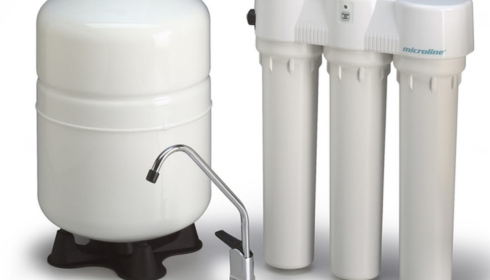
    Reverse osmosis systems are kind of the gold standard for crisp, clean water at home. They strip out the stuff you don’t want—contaminants, sediments, even some things you can’t taste but shouldn’t be drinking. But like anything working behind the scenes, they need attention. Filters clog, membranes wear down, pressure drops, and one day that perfect glass of water just doesn’t taste the same.

    That’s when you find yourself searching for reverse osmosis system repair. It’s not always dramatic—sometimes it’s just a filter change, other times a valve or membrane swap. But the difference is immediate. Suddenly water tastes fresh again, and you realize how much you’d missed it. It’s not indulgence; it’s maintenance, like changing the oil in your car.

    Wells Bring Independence, and Responsibility

    Plenty of families live outside city limits, relying on private wells for their supply. And while there’s something freeing about having your own source, it comes with its own set of challenges. Unlike municipal water, private wells aren’t tested or treated regularly unless the homeowner makes it happen. That means bacteria, nitrates, or minerals can sneak into the water without changing how it looks or smells.

    This is why well water treatment installation matters so much. It’s not just about taste, although cleaner water always feels better. It’s about protecting health and avoiding those hidden risks that lurk in untreated groundwater. A proper system brings confidence: you pour a glass for your kids or boil water for dinner and never have to wonder what else might be in it.

    The Kansas City Context

    Living in Kansas City, you notice the quirks of local water. Hardness is a common complaint, and seasonal shifts affect how water tastes and smells. Some neighborhoods deal with older pipes that can add their own challenges. It’s one of those situations where “meets safety standards” doesn’t always equal “ideal for daily life.”

    That’s why so many homeowners are turning to residential water treatment Kansas City providers. They know the local water profiles, the common issues, and the right fixes for this region. It’s not just about installing equipment—it’s about tailoring solutions to the water that actually flows through your house. That local expertise makes all the difference between a system that “mostly works” and one that quietly transforms everyday living.

    Everyday Benefits You Can Feel

    Once water is treated, the difference shows up everywhere. Laundry comes out softer. Coffee tastes richer. Showers leave skin and hair feeling cleaner, not dried out. Dishes sparkle instead of carrying cloudy spots. Even plants seem to thrive better.

    And there’s the added bonus of protecting appliances. Water heaters, dishwashers, and washing machines run smoother and last longer when they’re not constantly fighting mineral buildup. It’s one of those ripple effects where fixing water quality quietly makes the rest of your home easier to live in.

    The Emotional Payoff

    Beyond the practical, there’s something deeper at play. Clean, reliable water takes a worry off the table. Parents don’t second-guess the glass they hand to their kids. Guests don’t wrinkle their noses at an odd taste. You stop apologizing for the smell of chlorine or the streaks on your glasses.

    It’s a kind of peace of mind that goes unnoticed—until you remember what it was like before. And once you’ve lived with better water, it’s hard to imagine going back.

    Real-Life Proof

    A neighbor of mine ignored her reverse osmosis system for years until the water started tasting metallic. By then, the filters were long overdue and the membrane was shot. The repair technician had it fixed within hours, and she told me later, “I didn’t realize how bad it had gotten until it was good again.”

    Another family with a private well learned through testing that nitrates were creeping in from nearby farmland. Their treatment installation wasn’t optional—it was necessary for safety. Now, they drink their water with confidence instead of doubt.

    Stories like these aren’t rare. They’re everyday examples of how small choices—repairing, upgrading, or installing—change the backdrop of daily life.

    Cost and Value

    Of course, cost comes up. Repairs and installations feel like big investments, especially compared to doing nothing. But “doing nothing” carries its own price tag—appliances failing early, constant bottled water purchases, higher energy bills from inefficient systems.

    When you add those up, treatment systems start looking less like luxuries and more like common sense. And that’s before factoring in health, comfort, and peace of mind—things you can’t always put a dollar sign on.

    The Maintenance Mindset

    None of these systems are truly “set it and forget it.” Reverse osmosis filters need replacing, softeners need salt, well treatments need checkups. Skipping maintenance just leads you back to the same problems you were trying to solve in the first place.

    But with regular care—usually just annual or semi-annual—it’s simple. And the payoff is continuous. No big surprises, no major breakdowns, just clean water flowing day after day.

    Looking Ahead

    Water technology keeps evolving. Smarter systems track filter life, monitor usage, and even send alerts when service is due. Wells can be tested more accurately. Reverse osmosis units are becoming more efficient, wasting less water in the process. It’s a reminder that water treatment isn’t just keeping up—it’s moving forward.

    And for homeowners, that means more choices, more confidence, and fewer headaches.

    Wrapping It Up

    At the end of the day, water is one of those essentials we can’t do without. We drink it, cook with it, wash in it, and depend on it for everything from morning coffee to evening showers. When it’s clean, we barely think about it. When it’s not, it colors everything we do.

    That’s why investing in repairs and installations isn’t about gadgets or trends. It’s about restoring simplicity—the kind where you turn on the tap, fill a glass, and never wonder what’s inside.

    Because water should never be a question mark. It should just be water.