
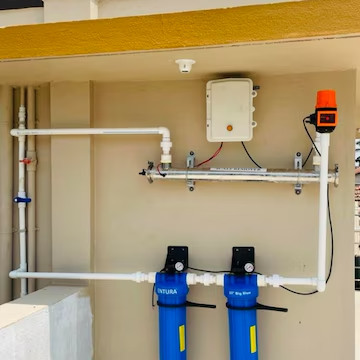
Most people don’t give their water treatment equipment much thought when everything is working properly. The water tastes fine, the shower feels comfortable, and there are no strange stains around the sinks. Life goes on. Then, one morning, the water pressure drops, a filter starts making an unusual noise, or the softener stops doing its job. Suddenly, a system that was easy to forget becomes a problem that needs attention.
The truth is that water treatment equipment, like any other household system, needs a little care to keep performing well. Filters become clogged, moving parts wear down, and certain components need replacement over time. Regular attention can help homeowners avoid unexpected disruptions, protect their investment, and maintain more consistent water quality.
Why Regular Maintenance Makes a Difference
Water treatment systems work in different ways, but most depend on components that gradually lose efficiency through normal use. Sediment filters collect particles, carbon media captures certain impurities, and water softeners exchange hardness minerals for sodium or potassium ions. Each process has its own maintenance requirements.
Ignoring those requirements doesn’t always cause an immediate failure. Sometimes the signs appear slowly. Water may begin to taste different, soap might not lather as easily, or mineral deposits may return around faucets and showerheads. These changes can be easy to dismiss at first, especially when the equipment still appears to be running.
A practical approach to system servicing & maintenance helps identify developing issues before they become larger headaches. Depending on the equipment, a service visit may include checking water pressure, inspecting connections, replacing filters, cleaning components, reviewing control settings, and confirming that the system completes its operating cycles correctly.
Maintenance schedules should follow the manufacturer’s instructions and the actual conditions in the home. A household with high sediment levels or heavy water use may need attention more frequently than a home with relatively clean incoming water and modest demand.
Recognizing the Early Signs of Trouble
Water treatment systems rarely announce every problem clearly. Instead, they often provide small clues that something has changed.
One common sign is a noticeable difference in water quality. Hard-water spots may return after a softener has been working well for months. Drinking water may develop an unfamiliar taste, or a previously controlled odor may become noticeable again. In filtration systems, reduced flow can indicate a clogged cartridge, although plumbing restrictions and other issues can cause similar symptoms.
Unusual sounds deserve attention, too. A water softener that repeatedly cycles at unexpected times, a pump that runs continuously, or a leak near a filter housing should be investigated. Some noises are harmless, but persistent changes shouldn’t be ignored.
Keep an eye on the area around the equipment. Damp flooring, corrosion, loose fittings, and mineral residue can indicate small leaks or connection problems. Even a slow drip can eventually damage cabinets, walls, or nearby electrical components.
It’s helpful to note when a problem began and whether it affects the whole house or only one faucet. That simple information can make troubleshooting quicker and help a technician narrow down the likely cause.
When Professional Repairs Are the Better Choice
Some maintenance tasks are straightforward. Homeowners can often replace accessible filter cartridges, replenish softener salt, or clean external surfaces by following the manufacturer’s directions. Other problems require more experience, especially when they involve electrical controls, pressurized plumbing, pumps, or internal valves.
Professional equipment repairs may be necessary when a system leaks repeatedly, fails to regenerate, produces inconsistent results, or stops responding to its controls. A trained technician can inspect the equipment, identify worn components, and determine whether repair or replacement makes more financial sense.
It’s tempting to keep resetting a system or tightening connections until the problem disappears. Sometimes that works, but repeated attempts can mask the underlying cause. Incorrect adjustments may also damage seals, disrupt treatment settings, or create new leaks.
Before scheduling service, gather the system’s make and model, installation date if available, and a brief description of the symptoms. Photos of error messages or visible leaks can be useful, too. These details help the service provider understand what to expect and may reduce unnecessary visits.
If water is leaking near electrical equipment, avoid touching wet electrical components. Shut off the relevant supply only if it is safe to do so, and seek qualified help.
Don’t Forget Salt and Consumable Supplies
For households using a salt-based water softener, keeping the brine tank supplied is an important part of routine care. Without enough salt, the softener may not regenerate properly, allowing hardness minerals to pass through into the household plumbing.
A dependable salt delivery service can make this task easier, particularly for busy households, larger properties, or people who would rather not carry heavy bags. Scheduled deliveries can help prevent the tank from running low, although the correct replenishment frequency depends on water hardness, household consumption, system capacity, and regeneration settings.
Choosing the right salt also matters. Follow the equipment manufacturer’s recommendations for the type and grade of salt to use. Check the brine tank periodically for unusual buildup or a solid mass of salt that prevents proper operation. This condition, often called a salt bridge, can make the tank appear full even when the water beneath the crust cannot dissolve the salt as intended.
Not every water treatment system uses salt. Salt-free conditioners, carbon filters, reverse osmosis units, and other technologies have different requirements. Avoid adding products or making adjustments unless the equipment is designed for them.
Build a Simple Maintenance Routine
A maintenance plan doesn’t need to be complicated. In fact, a short checklist is often more useful than an elaborate schedule that nobody follows.
Start by recording the installation date and the recommended replacement intervals for filters and other consumable parts. Set reminders for visual inspections and routine service appointments. If your system has a digital display, learn what its alerts mean instead of assuming every warning can be ignored until the next visit.
During a basic inspection, look for leaks, unusual sounds, changes in water flow, and visible damage. Check salt levels if your system uses a brine tank, and confirm that replacement cartridges are the correct type. Keep the area around the equipment clean and accessible so a technician can work safely.
Water testing can also be useful when the system is intended to address a specific contaminant. A machine that appears to run normally may still need attention if test results show that treatment performance has declined. Testing frequency depends on the original water concern, the equipment, and local recommendations.
Repair, Replace, or Upgrade?
Eventually, every system reaches a point when a repair may no longer be the best option. Older equipment may need increasingly frequent service, use outdated components, or struggle to meet a household’s current water demands.
Compare the likely repair cost with the price of replacement, but don’t base the decision on cost alone. Consider the equipment’s age, availability of parts, water usage, energy consumption, and whether your water quality has changed since installation.
A system originally selected for a small household may not be suitable after an addition or a growing family increases demand. Likewise, new water test results might reveal a need for treatment that the existing equipment was never designed to provide.
A qualified professional can help evaluate the options without assuming that a full replacement is always necessary.
Small Steps Lead to More Reliable Water
Reliable water treatment isn’t just about choosing good equipment. It’s also about looking after that equipment once it becomes part of everyday life. Regular inspections, timely filter changes, appropriate supplies, and prompt attention to unusual symptoms can all contribute to more dependable performance.
A little prevention is usually less stressful than dealing with a flooded utility room or discovering that a treatment system has stopped working when you need it most. Learn what your equipment requires, keep useful records, and seek professional help when a problem goes beyond routine care.
With a sensible maintenance routine, homeowners can extend the useful life of their water treatment systems, reduce avoidable interruptions, and enjoy greater confidence in the water they use every day.