
There are few things more ordinary than turning on a kitchen tap and filling a glass of water. We do it while preparing breakfast, packing lunch, or rushing out the door. Yet when water starts tasting strange, leaves cloudy marks on glassware, or carries tiny particles, that everyday routine suddenly feels less straightforward.
The good news is that improving household water doesn’t always require a complicated setup. The challenge is understanding what needs to be removed and choosing equipment designed for that purpose. Different filters handle different problems, and the most expensive option isn’t necessarily the best one. A little knowledge can help you make a sensible choice without wasting money on equipment your home doesn’t need.
Start by Understanding Your Water
Before shopping for a filter, take a closer look at your water supply. Homes connected to municipal systems receive treated water, but taste, mineral content, and plumbing conditions can vary. Private wells have additional considerations because groundwater quality depends on local geology and nearby environmental conditions.
Some problems leave visible clues. Sand or sediment may appear in water after plumbing work, while reddish deposits can suggest iron or corrosion. White buildup around faucets often points toward hard water. An unusual taste or odor may have several causes, so it’s best not to jump to conclusions.
Appearance alone, however, cannot establish whether water is safe. Certain contaminants have no noticeable taste, smell, or color. If you’re concerned about a particular substance, arrange suitable testing or consult your water supplier. Private well owners should follow local recommendations for routine testing, including checks for bacteria and nitrates where appropriate.
Knowing what is present gives you a clear starting point. It also helps you avoid buying a filter that promises broad benefits but doesn’t address your actual concern.
What Water Filters Can and Cannot Do
The term water filters covers a wide range of products, from simple faucet attachments to whole-home systems. Some trap physical particles, while others use treatment media or membranes to reduce specific substances.
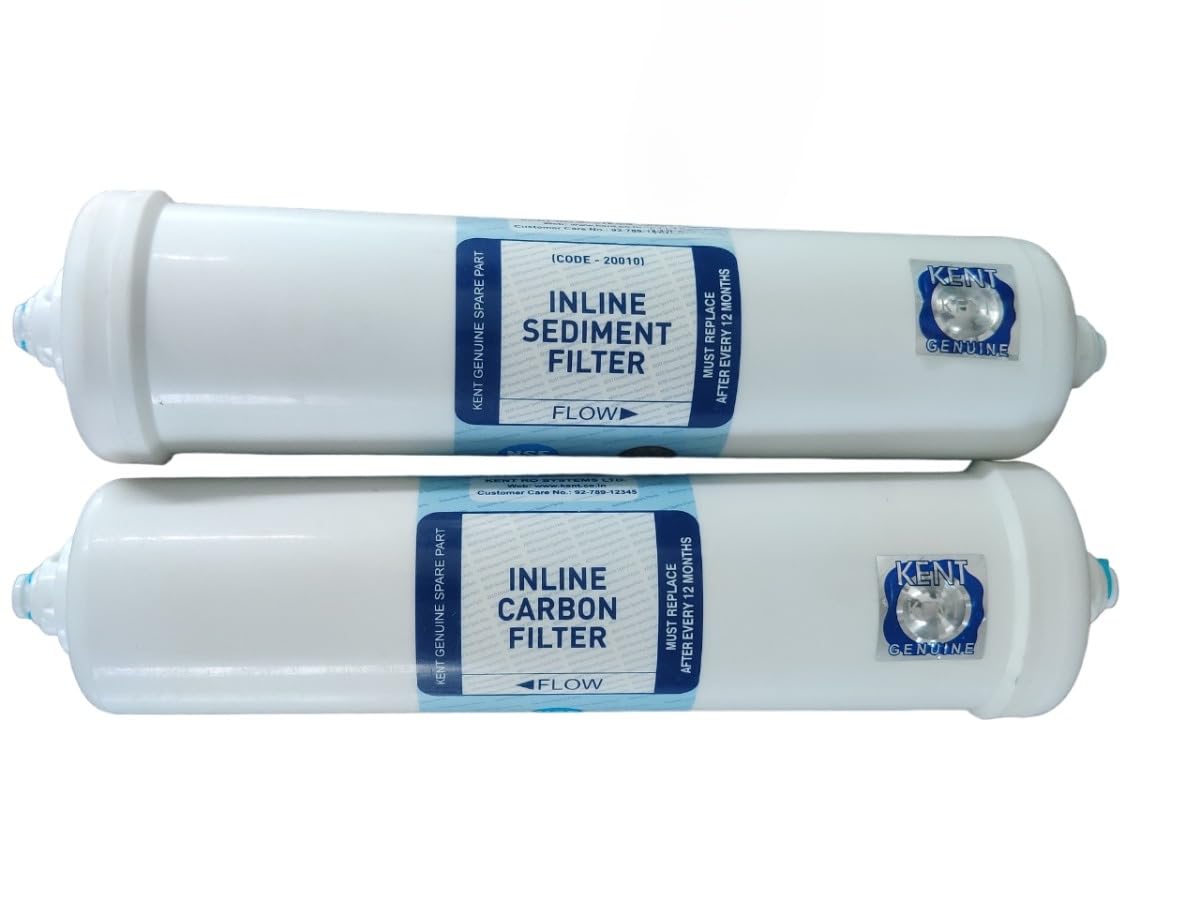
A sediment filter, for example, captures suspended material such as sand, silt, and rust particles. Activated carbon can improve chlorine taste and odor and reduce certain organic compounds when the product is designed and tested for those uses. Reverse osmosis systems reduce many dissolved substances through a semipermeable membrane.
These technologies aren’t interchangeable. A sediment cartridge won’t necessarily remove dissolved chemicals, and a basic carbon filter shouldn’t be assumed to eliminate every contaminant. Likewise, most ordinary filters aren’t designed to soften hard water or disinfect a contaminated supply.
When comparing products, look for independent certification and specific contaminant-reduction claims. Organizations such as NSF test products against defined standards, but certification for one purpose doesn’t prove effectiveness against everything else. Read the product details carefully, particularly if you’re trying to reduce a known health-related contaminant.
When Sediment Filters Make Sense
Have you ever noticed tiny particles in a glass of water or found grit collecting around an aerator? Suspended solids can come from groundwater, aging distribution infrastructure, or disturbances during plumbing work. Sometimes the issue is temporary; in other cases, it may continue until the underlying cause is addressed.
Sediment filters are designed to capture these particles before they travel farther through the plumbing system. Depending on the installation, they can help protect appliances, reduce visible debris, and prevent some downstream treatment equipment from becoming clogged.
They are available in different micron ratings, which indicate the approximate size of particles a filter can capture. A finer rating may trap smaller particles, but it can also restrict flow more quickly. Choosing the right rating involves balancing filtration needs with the amount of water your household uses.
One important distinction: sediment filters generally remove particles, not substances dissolved in water. If laboratory testing identifies dissolved iron, for instance, a basic sediment cartridge may not be enough. Similarly, visible rust could originate from corroding household pipes, which may require plumbing repairs rather than another filter.
If particles appear suddenly or continue in large amounts, investigate the source instead of treating the filter as a permanent fix.
Improving Taste and Odor With Carbon Filters
Sometimes water looks completely normal but tastes unpleasant. Chlorine used in municipal disinfection can leave a noticeable flavor or smell, and certain organic compounds may affect how water tastes. For many households, these concerns are the main reason to install a drinking-water filter.
Carbon filters use activated carbon, a porous material that can adsorb various substances onto its surface. They’re commonly used in refrigerator filters, countertop units, faucet attachments, and under-sink systems. When appropriately designed, they can reduce chlorine taste and odor and target certain other compounds.
Their effectiveness depends on the carbon type, the amount of media, water flow, contact time, and the specific contaminant. Not every carbon filter reduces lead, PFAS, or other chemicals, so check the certification and performance documentation before purchasing.
Replacement is equally important. Carbon media has a limited capacity, and an exhausted cartridge may no longer perform as expected. Follow the manufacturer’s replacement schedule, especially when the filter is intended to reduce a contaminant rather than simply improve taste.
For many homes, a compact carbon system offers a convenient improvement without requiring major plumbing changes. It’s a practical option when its capabilities match the issue being addressed.
Choosing a Point-of-Use or Whole-Home System
Another decision is whether to treat water at one tap or throughout the property. Point-of-use systems are installed at locations such as the kitchen sink and focus on water used for drinking and cooking. They’re often suitable when the main concern is taste or a particular dissolved contaminant.
Whole-home systems are installed where water enters the building. Depending on their design, they can reduce sediment or other targeted substances before water reaches showers, washing machines, and appliances.
Whole-home equipment generally involves a larger initial investment and may require more installation space. Point-of-use filters can be less expensive, although replacement cartridges still add to the long-term cost.
Think about your household’s priorities. If only drinking water needs treatment, a kitchen unit may be sufficient. If particles are affecting several fixtures, a properly selected whole-home filter could make more sense. Neither option should be chosen without considering the source and nature of the problem.
Maintenance Is Part of the Deal
Filters need regular attention to remain useful. Cartridges can clog, treatment media can lose effectiveness, and membranes may eventually need replacement. Ignoring the schedule can reduce performance and sometimes affect water flow.
Keep track of replacement dates and check connections for leaks. If the system treats a health-related contaminant, follow recommended testing procedures to confirm that it continues to work as intended. A filter looking clean doesn’t necessarily mean it’s still effective.
Also consider the practical details before buying. Are replacement cartridges easy to find? Can you change them yourself? Does the system need professional installation? These questions matter just as much as the initial price.
Make a Choice Based on Evidence
Better water begins with understanding your supply, not buying the first product with impressive packaging. Review available water reports, arrange testing when necessary, and compare filters according to their verified capabilities.
Sediment filters, carbon systems, and other technologies each have a place, but they solve different problems. Once you know what your household needs, selecting suitable equipment becomes much less confusing. With realistic expectations and regular maintenance, a well-chosen filter can make everyday water use more convenient and help you feel confident about the treatment your home actually requires.