Author: dailyideapost.com

  • Why a Clean Water Solution Can Change the Way Your Office Feels

    Why a Clean Water Solution Can Change the Way Your Office Feels

    If you’ve ever worked in an office that didn’t have easy access to clean, cold water, you know how surprisingly frustrating it can be. Coffee machines hum in the corner, soda cans pile up in the recycling bin, but somehow, the simple luxury of fresh water often gets overlooked. And yet, it’s one of those small details that changes everything—how productive people feel, how comfortable they are, and even the sense of community in the workplace.

    It’s funny, isn’t it? Water is just water. Or at least that’s what many people think until they taste the difference between tap water and purified, chilled water. That crisp freshness sets a tone—saying, “this office pays attention to the little things.”


    The Office Gathering Spot Nobody Talks About

    When I think about workplaces I’ve been in, there’s usually one unofficial gathering spot. Sometimes it’s the snack cupboard, sometimes the coffee station, and very often it’s the water cooler. You know the scene: someone filling their cup while another sneaks in a quick chat before the next meeting. These micro-breaks are more important than we give them credit for. They’re where camaraderie grows and ideas spark casually.

    That’s why investing in something as simple as an office water cooler Long Island companies trust isn’t really about the appliance itself—it’s about creating that space. It’s about keeping everyone hydrated without relying on endless plastic bottles or questionable tap water. And honestly, it’s about showing you care enough to bring quality into everyday routines.


    Beyond the Old-School Cooler

    Let’s be real. The days of flipping giant jugs upside down and splashing water all over the floor should probably stay in the past. While they had their moment, today’s solutions have evolved, and thankfully, they’re a lot more practical.

    Modern systems don’t just offer chilled water; they filter it, purify it, and in some cases, protect it with advanced technology that keeps bacteria and viruses from sneaking through. That’s where equipment like a Waterlogic firewall water purifier steps into the spotlight. It’s not just another water machine—it’s a safeguard, ensuring every sip is as clean as it should be. In workplaces where dozens or even hundreds of people refill bottles daily, that kind of reassurance really matters.

    The best part? You don’t need to be a health nut to appreciate it. Even the most casual water drinkers can taste the difference, and suddenly, you find people ditching soda for something better. That subtle shift is a quiet victory for both the employer and the employee.


    Why Businesses Are Going Bottleless

    There’s another big change happening in how offices think about water. The conversation isn’t just about taste or convenience anymore—it’s about sustainability. Nobody loves seeing piles of plastic bottles stacking up week after week. And while recycling helps, the truth is the less waste we create, the better.

    That’s why the shift toward a bottleless water dispenser for business has been gaining momentum. Imagine never worrying about deliveries, storage, or running out of jugs again. These systems hook right into your existing water supply, filter it on demand, and provide a constant flow of fresh, clean water. It’s efficient, environmentally responsible, and surprisingly cost-effective in the long run.

    Think about the message it sends too. Clients and visitors notice when a workplace makes greener choices. Employees appreciate it because it feels aligned with their own values. And let’s not ignore the practical side—no more awkwardly lifting a 40-pound jug while hoping you don’t throw out your back in the process.


    The Ripple Effect of Better Hydration

    What fascinates me most about all this isn’t just the technical upgrades, but the ripple effect they create. Hydrated employees are more alert. Meetings drag less. Afternoon slumps don’t hit as hard. And you see fewer energy drinks on desks when people actually enjoy drinking water.

    I remember chatting with a friend who manages a midsize tech company. She said that after installing a modern purifier system, she noticed fewer complaints about fatigue and even a drop in headaches reported by staff. Was it the only factor? Probably not. But it certainly didn’t hurt that people were reaching for clean water instead of their third coffee.

    It’s one of those improvements you don’t fully appreciate until it’s in place. Like switching from a noisy old AC unit to a quiet, efficient one—you wonder why you waited so long to make the change.


    Making the Move Without Overthinking It

    Here’s the truth: choosing a water system for your office doesn’t have to be complicated. A lot of companies drag their feet, thinking it’s just one more expense or logistical headache. But in reality, the options available today are pretty streamlined. Whether you’re looking at compact coolers for a small office or larger purifiers for busy spaces, there’s something to fit.

    And honestly, this isn’t about keeping up with the latest workplace trend—it’s about giving people one of the most basic things they need to feel comfortable. In an era where we obsess over standing desks, ergonomic chairs, and fancy coffee machines, maybe it’s time to remember that water deserves the same level of attention.


    The Bottom Line

    At the end of the day, upgrading your office water system isn’t just about quenching thirst. It’s about culture, wellness, and values. It’s about reducing plastic waste while boosting productivity. It’s about turning something ordinary into something quietly extraordinary.

    So next time you see employees gathered around the cooler, laughing between sips, remember—those small details shape the bigger picture. And maybe that’s reason enough to make clean, safe, and sustainable water part of your workplace story.

  • Settling Into a New Home in Houston? Here’s What You Need to Know About Your Water

    Settling Into a New Home in Houston? Here’s What You Need to Know About Your Water

    Buying a new home is exciting. It’s that mix of pride, nerves, and endless to-do lists that comes with getting your own space. In Houston, though, one thing that doesn’t always get the attention it deserves is the water. It’s easy to get caught up in unpacking boxes, hanging pictures, or arguing about where the couch should go, but understanding your water quality can make a big difference in how comfortable—and safe—your home really feels.

    Water in Houston has its own quirks, and for new homeowners, figuring out what’s coming out of the tap is worth the time. Some folks notice unusual smells or mineral buildup around fixtures within a few weeks of moving in, while others hear from neighbors about higher-than-average chlorine levels or even sediment issues. This isn’t about fear—it’s about awareness.

    That’s where choosing the right Houston water solutions for new homeowners becomes an important part of the settling-in process. Whether it’s testing, treatment, or long-term protection, understanding your options ensures you’re not just moving into a house—you’re making it a healthy, functional home.


    Why Water Quality in Houston Can Be Tricky

    Houston pulls its water from multiple sources: surface water like lakes and rivers, and groundwater. On paper, it meets federal standards. But the thing about “standards” is they’re a bit like passing grades in school—they don’t always reflect comfort, taste, or long-term effects.

    Many homeowners report hard water, which shows up as chalky deposits on faucets, cloudy glassware, and that annoying dry-skin feeling after a shower. Chlorine is another common complaint. While it’s effective for disinfection, it can leave your water smelling a bit like a swimming pool. Then there’s the occasional sediment or discoloration, which can vary depending on your neighborhood and plumbing.

    These aren’t deal-breakers for living in Houston, but they’re the kinds of things that catch new homeowners off guard. And once you’ve noticed them, you can’t really “un-notice” them.


    Point-of-Entry Filtration: Whole-Home Peace of Mind

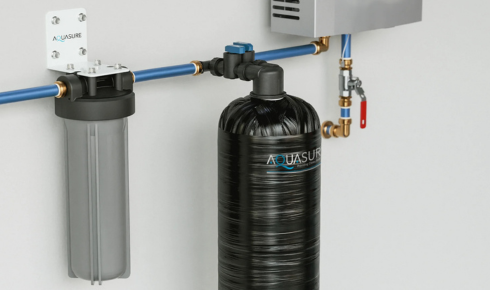
    If you’ve ever thought, “Why should only the kitchen sink have clean water?” you’re already in the right mindset. A point-of-entry water filtration Houston setup treats water as soon as it enters the house. That means every shower, laundry cycle, and glass of water benefits from filtration—not just the one spigot where you’ve attached a filter.

    The appeal here is convenience. No juggling multiple filters in different rooms, no running out of pitcher refills, and no wondering if your bathroom tap is giving you the same quality as your kitchen. It’s a single system, quietly working in the background, making every water-related task in your home feel fresher and healthier.

    For families, this often becomes one of those “why didn’t we do this sooner?” upgrades. It’s not just about drinking water—it’s about extending the life of appliances, keeping clothes from looking dull after washing, and protecting plumbing from buildup.


    The Often Overlooked Role of Water Conditioners

    Filtration gets all the attention, but conditioning is just as important, especially in Houston. Conditioners are designed to tackle hardness—the calcium and magnesium that leave behind scale. If you’ve ever had to scrub a shower door endlessly only for it to look cloudy again in a week, hardness is the culprit.

    The thing is, conditioners aren’t a one-and-done install. They need care. Homeowners sometimes forget this, treating the system like a magic box that fixes everything indefinitely. But just like your car, it runs better when you pay attention to it.

    Scheduling regular water conditioner maintenance Houston not only ensures your system is doing its job, but it also prevents expensive breakdowns. Neglect leads to clogs, inefficiency, or worse—damage that could have been avoided with a little routine check-up. Think of it like changing the oil in your car. Small effort, big payoff.


    Testing: The Starting Point No One Should Skip

    Before jumping into filters, conditioners, or any solution, testing is the first step. Not all neighborhoods face the same water concerns. A friend across town may complain about chlorine, while your issue is iron staining the sinks. Without a test, you’re guessing—and water treatment isn’t something you want to guess on.

    Home test kits are widely available, and many companies in Houston offer professional water testing services. Both can give you clarity on what’s actually in your water, and that clarity shapes smart decisions. It’s a bit like getting a doctor’s diagnosis before deciding on treatment—you wouldn’t skip that step, so don’t skip it here either.


    Practical Tips for New Homeowners

    • Start with a test. It’s the foundation of everything.
    • Think long-term. Filtration and conditioning are investments that improve your quality of life and protect your home’s systems.
    • Don’t overlook maintenance. A system is only as good as the care it receives.
    • Ask neighbors. Sometimes, the best insights come from the people living on your block who’ve already figured out what works.

    The Bigger Picture

    Water quality isn’t glamorous. It’s not the kind of topic that makes for dinner-party stories. But it quietly impacts daily life in ways that add up—health, comfort, even finances. When your appliances last longer, when your skin isn’t constantly irritated, when you’re not buying endless packs of bottled water, you feel the difference.

    For new homeowners in Houston, paying attention to water quality early is one of those decisions you’ll look back on with relief. Instead of scrambling later when problems show up, you’ll know you built your home’s foundation—literally—from the ground up with safe, clean water.


    Closing Thoughts

    At the end of the day, moving into a new home should be about creating a space that feels like yours. And while you might not think of it first, water plays a bigger role in that feeling than most people realize. From the coffee you brew each morning to the showers you unwind in at night, water is everywhere.

    Investing in the right solutions—whether it’s testing, whole-home filtration, or conditioner upkeep—isn’t about luxury. It’s about peace of mind, practicality, and taking care of what you’ve worked so hard to call your own.

    So as you settle into your Houston home, put water on your checklist. Not as another chore, but as a quiet upgrade that makes everything else run smoother. In the long run, it’s one of the smartest moves a homeowner can make.

  • Why Austin Homeowners Are Rethinking Their Water Systems

    Why Austin Homeowners Are Rethinking Their Water Systems

    If you’ve ever noticed your glasses coming out of the dishwasher looking cloudy, or your shower doors caked in that stubborn white residue, you’re probably dealing with hard water. Austin, beautiful as it is, has water that’s heavy in minerals, and for many households, that translates into extra scrubbing, soap that doesn’t quite lather right, and appliances aging before their time. It’s not the most glamorous problem, but for people living in this city, water quality quietly shapes daily routines more than most realize.

    The Case for Treating Water at the Source

    Think about it—water touches almost everything in your home. It flows through the pipes, feeds your washing machine, runs over your skin in the shower, and ends up in your morning coffee. If that water is loaded with calcium and magnesium, those minerals are leaving a trail behind. That’s why many people turn to a whole home water softener. Unlike spot fixes or single-point filters, it conditions every drop entering the house. Instead of dealing with residue in the bathroom or trying out endless cleaning hacks on cloudy glassware, a whole-home system quietly prevents the problem in the first place.

    It’s the sort of upgrade you don’t think about constantly—until you realize how much smoother showers feel, or how clothes seem to last longer without the scratchiness caused by hard water.

    Why Salt Still Has a Seat at the Table

    Now, in Austin, there’s a particular conversation going on: salt-based versus salt-free. Both camps have passionate supporters, but it’s worth knowing why some folks still choose a salt-based water softener Austin residents trust. Salt-based models use ion exchange to actually remove those calcium and magnesium ions from the water. The result? Genuinely soft water.

    That means less scale build-up in the hot water heater, fewer plumbing issues, and even reduced energy bills because appliances don’t have to work as hard. For people who’ve had to replace a dishwasher or a coffee maker every couple of years, this feels like a quiet financial relief over time. Sure, you’ll need to refill the system with salt now and then, but for households that want truly soft water rather than “conditioned” water, the extra maintenance is usually worth it.

    The Rise of Salt-Free Options

    On the flip side, Austin is also a city that values eco-friendly alternatives and low-maintenance living. That’s where systems like the electric water conditioner Austin homeowners are talking about come into play. Unlike salt-based softeners, these don’t remove minerals. Instead, they change the way minerals behave in the water, preventing them from sticking to surfaces.

    For the average person, that translates into fewer hard water stains and less build-up in pipes, without the need to lug around bags of salt. They also appeal to folks who don’t want sodium introduced into their water supply or who are mindful about reducing salt discharge into the environment. It’s not the same as having “soft” water in the traditional sense, but for many households, the convenience and eco angle make it a smart tradeoff.

    Balancing Lifestyle and Practical Needs

    At the end of the day, it’s not about which system is “better” in some universal sense—it’s about what matches your lifestyle. If you’re someone who cooks at home a lot, loves spotless glassware, and is already dealing with stubborn scale in appliances, the reliability of a salt-based system might feel like a lifesaver.

    If you’re more concerned with sustainability, easy upkeep, or you simply hate the idea of buying salt bags every month, then the electric water conditioner route could suit you perfectly. Either way, the investment usually pays off over time in less scrubbing, fewer repair calls, and the peace of mind that your home’s water isn’t working against you.

    A Look at the Bigger Picture

    Here’s what’s fascinating: water treatment choices in Austin aren’t just about convenience—they’re part of a bigger conversation about how the city is growing and changing. As more people move here, and as water usage becomes a bigger concern, households are starting to think more holistically about resources. Installing a system isn’t just about softer towels or a longer-lasting coffee machine—it’s also about conserving energy and reducing waste.

    When appliances run more efficiently, less water and electricity get wasted. That means lower utility bills for you and less strain on Austin’s infrastructure. It’s a small ripple that extends beyond your front door.

    Real Stories from Real Homes

    Ask around and you’ll hear plenty of anecdotes. One family might rave about how they finally stopped replacing faucets every couple of years once they added a salt-based unit. Another household might be thrilled that their electric conditioner helped them avoid the never-ending soap scum war in their bathrooms, without the chore of refilling salt. These stories matter, because they highlight that water isn’t some abstract utility—it’s something deeply woven into how comfortable, efficient, and sustainable our homes feel.

    The Human Element in Every Drop

    And here’s the part that’s often overlooked: water quality affects how we feel in our homes. Taking a shower in softened water just feels different—your skin isn’t as dry, your hair doesn’t have that heavy, dull texture. Brewing coffee with treated water can make it taste brighter. Even doing laundry becomes less of a chore when the machine isn’t battling mineral deposits.

    Those small changes add up. They shift the daily experience of living in a home, often in subtle ways you don’t notice until you visit a place with untreated hard water and suddenly miss what you’ve got.

    Finding Your Fit

    So, what’s the takeaway for Austin homeowners weighing their options? Don’t get too caught up in the marketing noise. Instead, think about your household’s rhythms, your values, and your pain points. Are you tired of constantly scrubbing fixtures and replacing appliances? Or are you more motivated by eco-friendliness and minimal maintenance?

    Both salt-based and electric systems have their place, and what works for your neighbor might not be the right answer for you. What’s universal, though, is that ignoring the issue of hard water usually costs more in the long run—whether it’s in time, money, or just plain frustration.

    Closing Thoughts

    Water treatment doesn’t usually make for exciting dinner table conversation, but it shapes our everyday lives in ways that are surprisingly personal. In Austin, where hard water is a given, choosing the right solution—whether it’s a classic softener or a modern conditioner—is less about gadgets and more about creating a home that feels good to live in.

    It’s about protecting what you own, simplifying the chores you hate, and maybe even making that morning coffee taste just a little better. In the end, it’s one of those quiet investments that pays back not just in savings, but in comfort, ease, and the little luxuries that make daily life smoother.

  • ETF vs Mutual Funds: Which One Should You Choose?

    ETF vs Mutual Funds: Which One Should You Choose?

    When it comes to investing, choosing between ETFs and mutual funds is a common dilemma. With HDFC SKY, a comprehensive investment platform by HDFC Securities, investors can access both options seamlessly. Offering free Demat account opening, zero AMC for the first year, and a flat ₹20 brokerage per trade, HDFC SKY is a versatile platform supporting various investment avenues.

    Understanding ETFs and Mutual Funds

    ETFs and mutual funds are popular investment options that provide investors with a diversified portfolio of securities. ETFs, or exchange-traded funds, are investment funds that are traded on stock exchanges, similar to individual stocks. They typically track a specific index, commodity, or sector, allowing investors to gain exposure to a wide range of assets with a single investment. On the other hand, mutual funds pool money from multiple investors to invest in a diversified portfolio of stocks, bonds, or other securities. They are managed by professional fund managers who make investment decisions based on the fund’s objectives and strategy. HDFC SKY, offered by HDFC Securities, provides investors with a platform to invest in both ETFs and mutual funds, allowing them to build a well-rounded investment portfolio tailored to their financial goals and risk tolerance.

    ETFs offer key advantages for investors seeking flexibility and lower expense ratios. They provide cost efficiency through their passive management structure, often resulting in lower fees compared to actively managed mutual funds. Additionally, the ability to trade ETFs throughout the trading day can offer investors tactical opportunities to respond to market fluctuations. Meanwhile, mutual funds, with their professional management, can be ideal for those preferring a hands-off approach, allowing fund managers to make strategic decisions on allocation. Understanding these nuanced differences can assist investors in selecting the right mix for their unique investment preferences.

    HDFC SKY’s platform offers a range of benefits for investors looking to invest in ETFs and mutual funds. With free Demat account opening, zero AMC for the first year, and flat ₹20 brokerage per trade, investors can access these investment options at a low cost. The platform also supports trading across stocks, IPOs, F&O, commodities, and currency, providing investors with a comprehensive suite of investment opportunities. Additionally, HDFC SKY offers margin trading at 1% p.m., giving investors the flexibility to maximize their investment potential. With expert research and advanced charting tools, investors can make informed investment decisions and track their portfolio performance effectively. Overall, HDFC SKY’s platform is designed to empower investors to diversify their investment portfolio and achieve their financial objectives efficiently.

    Key Differences Between ETFs and Mutual Funds

    Exchange-Traded Funds (ETFs) and Mutual Funds are popular investment options with distinct differences. One key difference lies in their trading mechanism. ETFs are traded on stock exchanges like individual stocks, allowing investors to buy and sell them throughout the trading day at market prices. This real-time trading feature provides flexibility and liquidity to investors. On the other hand, Mutual Funds are priced once a day at the net asset value (NAV) after the market closes. Investors can only buy or sell mutual fund shares at the end-of-day NAV price, limiting the ability to react quickly to market changes compared to ETFs.

    Another significant difference between ETFs and Mutual Funds is their cost structure. ETFs typically have lower expense ratios compared to Mutual Funds. Since ETFs are passively managed and designed to track a specific index, they have lower management fees. Additionally, ETFs are more tax-efficient than Mutual Funds due to the way they are structured. Mutual Funds may incur capital gains taxes when the fund manager sells securities within the portfolio, which are then passed on to investors, whereas ETFs generally have fewer capital gains distributions, reducing the tax burden on investors. Investors looking for cost-effective and tax-efficient investment options may find ETFs more appealing than Mutual Funds.

    Investment Objectives of ETFs vs Mutual Funds

    Investment objectives of ETFs and mutual funds differ in several key aspects. ETFs, or Exchange-Traded Funds, are typically designed to track a specific index or asset class, aiming to replicate the performance of the underlying securities. The primary objective of ETFs is to provide investors with a low-cost, diversified investment option that offers exposure to a particular market segment or sector. ETFs are known for their transparency, liquidity, and tax efficiency, making them suitable for investors seeking broad market exposure with the flexibility to trade throughout the day like individual stocks. On the other hand, mutual funds are actively managed by professional fund managers who aim to outperform a benchmark index or achieve a specific investment goal. Mutual funds often have a broader range of investment objectives, such as growth, income, capital preservation, or a combination of these goals. They offer diversification benefits and are suitable for investors looking for professional management and expertise in selecting investments.

    Margin trading facility can further distinguish the investment dynamics between ETFs and mutual funds. While ETFs allow real-time trading similar to stocks, enabling strategic moves like exploiting short-term price fluctuations, mutual funds rely on end-of-day pricing, which doesn’t support intra-day strategies. This distinction impacts how investors use these funds within broader investment strategies. Consequently, ETFs may appeal to those seeking agile market engagements, whereas mutual funds might attract individuals favoring long-term growth through active management. Both investment vehicles cater to diverse investor needs but require careful consideration of associated risks and opportunities.

    HDFC SKY, the all-in-one investment platform by HDFC Securities, caters to investors’ needs by offering a seamless trading experience across various financial instruments, including stocks, mutual funds, ETFs, IPOs, F&O, commodities, and currency. With zero AMC for the first year and flat ₹20 brokerage per trade, HDFC SKY provides cost-effective solutions for investors looking to build a diversified portfolio. Investors can leverage margin trading at 1% per month, access expert research insights, and utilize advanced charting tools to make informed investment decisions. Whether investors prefer the passive approach of ETFs aligning with specific market indices or the active management style of mutual funds targeting specific investment objectives, HDFC SKY’s comprehensive platform empowers investors to achieve their financial goals efficiently and effectively.

    Costs and Fees Comparison

    When comparing the costs and fees of HDFC SKY with other investment platforms, it stands out for its competitive pricing and comprehensive offerings. The free Demat account opening and zero AMC for the first year provide a cost-effective entry point for investors looking to start their investment journey. The flat ₹20 brokerage per trade is a wallet-friendly option for both beginner and seasoned traders, ensuring transparency and predictability in trading costs. With the ability to trade across a wide range of asset classes including stocks, mutual funds, ETFs, IPOs, F&O, commodities, and currency, investors have access to diverse investment opportunities under one roof. The 1% p.m. margin trading facility further enhances the platform’s appeal by offering leverage to traders looking to amplify their returns. Additionally, the expert research and advanced charting tools empower investors with valuable insights and analysis to make informed investment decisions.

    In the realm of costs and fees, HDFC SKY emerges as a cost-efficient and feature-rich investment platform that caters to the diverse needs of investors. The platform’s competitive pricing structure, with no AMC for the first year and a flat brokerage fee of ₹20 per trade, makes it an attractive choice for investors seeking affordability and transparency in their trading activities. The support for trading across various asset classes, coupled with margin trading at 1% p.m., provides investors with a versatile platform to diversify their investment portfolios and capitalize on market opportunities. The inclusion of expert research and advanced charting tools further adds value to the platform by equipping investors with the necessary resources to make well-informed investment decisions. Overall, HDFC SKY’s costs and fees comparison highlight its commitment to offering a cost-effective and feature-packed investment platform for investors of all levels.

    Liquidity and Trading Differences

    HDFC SKY, the comprehensive investment platform by HDFC Securities, offers a seamless trading experience with a focus on liquidity and trading differences. Liquidity refers to the ease with which an asset can be bought or sold without significantly impacting its price. With HDFC SKY, investors benefit from access to a diverse range of financial instruments such as stocks, mutual funds, ETFs, IPOs, F&O, commodities, and currency pairs, ensuring high liquidity across various markets. This allows investors to execute trades swiftly and efficiently, taking advantage of market movements without facing hurdles related to liquidity constraints.

    Furthermore, HDFC SKY provides a transparent and cost-effective trading environment with a flat brokerage fee of ₹20 per trade, making it an attractive option for both seasoned traders and beginners. The platform’s support for margin trading at a competitive rate of 1% per month enhances liquidity by enabling investors to leverage their positions and maximize returns. With expert research insights and advanced charting tools, investors can make well-informed decisions, capitalize on trading opportunities, and navigate the market with confidence, leveraging the platform’s liquidity-focused approach to trading.

    Tax Efficiency Considerations

    Tax efficiency considerations are crucial when managing investments through platforms like HDFC SKY offered by HDFC Securities. Understanding the tax implications of different investment vehicles can help investors maximize returns and minimize tax liabilities. For example, investing in tax-efficient mutual funds or ETFs can reduce the amount of capital gains taxes owed. Utilizing tax-loss harvesting strategies can help offset gains with losses, thereby reducing the overall tax burden. Additionally, being mindful of holding periods for assets can impact the tax rate applied, with long-term capital gains typically taxed at a lower rate than short-term gains. By incorporating tax-efficient investment strategies into their portfolio management on platforms like HDFC SKY, investors can optimize their after-tax returns and achieve their financial goals more effectively.

    HDFC SKY’s comprehensive offering of investment instruments, including stocks, mutual funds, ETFs, IPOs, F&O, commodities, and currency, presents investors with various opportunities to structure their portfolios with tax efficiency in mind. For instance, diversifying investment across asset classes can help spread tax liabilities and reduce concentration risk. Leveraging margin trading at a competitive rate of 1% p.m. can enhance returns, but investors must also consider the tax implications of margin interest payments. The expert research and advanced charting tools provided by HDFC SKY can assist investors in making informed decisions that align with their tax-efficient investment objectives. By leveraging the platform’s low-cost brokerage fees and tax-smart investment strategies, investors can enhance their overall tax efficiency and potentially improve their long-term financial outcomes.

    Performance Analysis: ETFs vs Mutual Funds

    When comparing the performance of Exchange-Traded Funds (ETFs) and Mutual Funds, investors often look at various factors to make an informed decision. ETFs are known for their lower expense ratios compared to actively managed mutual funds, making them attractive for cost-conscious investors. Additionally, ETFs offer greater transparency in terms of their holdings and prices, as they can be traded throughout the day on exchanges. This liquidity can be beneficial for investors looking to quickly buy or sell their holdings. On the other hand, mutual funds are actively managed by fund managers who aim to outperform the market, providing investors with the potential for higher returns through professional management and research. However, this active management typically comes with higher fees, which can eat into overall returns.

    Renuka Sugar Share Price may influence investment decisions in both ETFs and mutual funds, as sector-specific funds often include underlying equities like Shree Renuka Sugars Ltd. Performance variance in these funds can arise from market trends impacting sugar industry stocks, where sector ETFs might mitigate individual volatility through diversification. In contrast, mutual funds potentially leverage industry expertise for stock selection—targeting profitable sugar sector investments. This strategic approach reflects broader investment dynamics where individual share performance can shape fund risk profiles, underscoring the importance of diligent exploration in asset allocation strategies.

    HDFC SKY, HDFC Securities’ comprehensive investment platform, offers investors the opportunity to access both ETFs and mutual funds through a single account. With features like zero AMC for the first year and a flat brokerage fee of ₹20 per trade, HDFC SKY provides a cost-effective solution for trading across a wide range of investment products. Investors can benefit from margin trading at a competitive rate of 1% per month, along with access to expert research and advanced charting tools to aid in their investment decisions. Whether investors prefer the passive approach of ETFs or the active management of mutual funds, HDFC SKY provides a versatile platform that caters to a variety of investment strategies.

    Active vs Passive Management Styles

    Active management involves a hands-on approach to managing investments, where fund managers actively buy and sell securities in an attempt to outperform the market. This style of management requires constant monitoring of market conditions, economic trends, and individual company performance to make informed investment decisions. Active managers aim to generate higher returns than a benchmark index by capitalizing on market inefficiencies and identifying undervalued assets. Investors who prefer active management typically seek personalized investment strategies tailored to their risk tolerance and financial goals. HDFC SKY, offered by HDFC Securities, provides a platform for active investors to access a wide range of investment options, research tools, and expert insights to make informed decisions and actively manage their portfolios.

    On the other hand, passive management involves tracking a specific market index or benchmark by investing in a diversified portfolio of securities that replicate the index’s performance. Passive managers do not actively trade securities but aim to match the returns of the chosen index by holding the same proportion of assets. This style of management is often associated with lower costs, as it requires less frequent trading and research compared to active management. Passive investing is suitable for investors seeking a long-term, low-cost investment strategy that aims to capture market returns rather than outperforming them. HDFC SKY also caters to passive investors by offering access to a range of passive investment options such as ETFs and mutual funds, allowing investors to build diversified portfolios aligned with their investment objectives.

    Risk Factors to Consider

    When considering the risk factors associated with investing through HDFC SKY, it is crucial to evaluate market risk. The platform allows trading across various asset classes such as stocks, mutual funds, ETFs, commodities, and derivatives like F&O. The market is inherently volatile, and factors such as economic indicators, geopolitical events, and company-specific news can lead to fluctuations in asset prices. It is essential for investors to have a clear understanding of market dynamics and conduct thorough research before making investment decisions to mitigate market risk.

    Another risk factor to consider is operational risk. While HDFC SKY offers features like margin trading, expert research, and advanced charting tools, there is always a possibility of operational failures. This could include technical glitches on the platform, delays in trade execution, or errors in processing transactions. Investors should be aware of such risks and have contingency plans in place to manage any unforeseen operational issues that may arise while using the platform for trading and investing. Diligence and proactive monitoring of investments can help in minimizing operational risks associated with online trading platforms like HDFC SKY.

    Trading online app users should also be wary of market risks that can impact investment outcomes. Even though platforms like HDFC SKY provide real-time data and analytics to aid in decision-making, market volatility can lead to unforeseen losses. Factors such as economic indicators, interest rate changes, or geopolitical events can significantly affect asset prices. Therefore, a strategic approach, including diversified portfolios and stop-loss mechanisms, is crucial for mitigating these risks. Maintaining a keen eye on market trends and leveraging available tools can help investors navigate the complexities of trading.

    Factors to Consider When Choosing Between ETFs and Mutual Funds

    When deciding between ETFs and mutual funds on HDFC SKY, there are several factors to consider. One of the key differences between the two is how they are traded. ETFs, or exchange-traded funds, are bought and sold on stock exchanges like individual stocks, offering intraday trading flexibility. On the other hand, mutual funds are priced at the end of the trading day and are bought or sold at the net asset value (NAV). Therefore, if you prefer the ability to trade throughout the day and react quickly to market movements, ETFs may be the better choice. However, if you are looking for a more long-term, hands-off approach to investing, mutual funds might suit your needs better.

    Another important factor to consider is the cost associated with each investment option. ETFs typically have lower expense ratios compared to mutual funds, making them a more cost-effective choice for investors aiming to minimize fees. Additionally, ETFs do not have minimum investment requirements, allowing investors to start with smaller amounts. On HDFC SKY, where you can access both ETFs and mutual funds, understanding the cost structure and how it aligns with your investment goals is crucial. By comparing expense ratios, trading fees, and minimum investment thresholds, investors can make an informed decision based on their financial objectives and preferences.

  • Blue Sapphire: Timeless Rings for Elegant Brides

    Blue Sapphire: Timeless Rings for Elegant Brides

    When brides search for the perfect symbol of love and sophistication, blue sapphire rings often stand out as a timeless choice. Many begin their journey with questions like Where to buy engagement rings near me, hoping to find a piece that reflects both elegance and personal significance. Blue sapphires have long been associated with royalty and romance, making them a popular alternative to traditional diamonds for brides who desire a touch of color and individuality.

    The charm of blue sapphire rings lies not only in their rich hue but also in the sense of history and meaning they carry. Known for symbolizing loyalty, wisdom, and truth, sapphires have adorned engagement rings for centuries. These stones have graced the hands of queens and celebrities, reinforcing their status as a statement of timeless elegance. Brides seeking a ring that embodies both style and sentiment often find themselves drawn to the deep, captivating blue of a sapphire, which pairs beautifully with a variety of metals and settings.

    Design flexibility is another reason why blue sapphire engagement rings are cherished by modern brides. From vintage-inspired halo settings to sleek solitaire bands, sapphire rings can be crafted to suit any personality. White gold or platinum settings enhance the stone’s cool, royal tones, while yellow gold provides a classic contrast that emphasizes its vivid color. For those who prefer unique detailing, adding accent diamonds or intricate engraving can create a ring that feels both personal and unforgettable.

    In recent years, the popularity of colored gemstones in engagement rings has grown significantly, and blue sapphire has remained at the forefront of this trend. Its durability, ranking just below diamonds on the Mohs hardness scale, ensures that it can withstand daily wear without losing its brilliance. This practical benefit makes it a smart choice for brides who value longevity alongside beauty. Additionally, the diversity of sapphire shades, ranging from light cornflower blue to deep royal blue, allows brides to choose a tone that best complements their style and skin tone.

    Selecting the right blue sapphire ring involves considering factors like the cut, clarity, and saturation of the stone. Oval, pear, and cushion cuts are especially popular for engagement rings, as they highlight the natural depth and radiance of sapphires. Brides who appreciate a traditional yet striking look may opt for a three-stone ring with a central sapphire flanked by diamonds, symbolizing the past, present, and future of their love story.

    As for sourcing a perfect blue sapphire engagement ring, today’s brides have more options than ever before. Jewelry stores, online marketplaces, and custom jewelers all offer a variety of designs to explore. For those starting their search with queries like Where to buy engagement rings near me, visiting local jewelers provides the advantage of seeing the stones in person and understanding their quality firsthand. Meanwhile, reputable online jewelers offer convenience and a wide selection, often accompanied by certification and detailed product descriptions to ensure confidence in the purchase. Visit our blog for more Discover Blog.

    Ultimately, a blue sapphire engagement ring is more than a beautiful accessory; it is a lifelong emblem of elegance, individuality, and commitment. For brides who value tradition with a modern twist, these rings offer a perfect balance of timeless beauty and personal expression. Whether chosen for its royal history, symbolic meaning, or captivating color, a blue sapphire ring will always remain a stunning testament to love and style, making every bride who wears it feel both graceful and unforgettable.

  • Unlocking Performance with Mercedes AMG GLE63 Downpipes: A Complete Guide

    Unlocking Performance with Mercedes AMG GLE63 Downpipes: A Complete Guide

    The Mercedes AMG GLE63 downpipes are an essential upgrade for enthusiasts looking to enhance their SUV’s power, sound, and overall performance. As part of the high-performance AMG family, the GLE63 is already a beast on the road. However, upgrading the downpipes takes this luxury SUV to a whole new level.

    What Are Downpipes?

    Downpipes are part of a vehicle’s exhaust system and are located between the turbocharger and the rest of the exhaust piping. In the AMG GLE63, the turbocharged V8 engine benefits significantly from freer-flowing downpipes that reduce exhaust backpressure and increase exhaust flow. The result? Improved horsepower, torque, and a deeper, more aggressive exhaust note.

    There are generally two types of downpipes: catted downpipes and catless downpipes. Catted downpipes include high-flow catalytic converters that reduce emissions while still improving performance. Catless downpipes remove the catalytic converters entirely, offering the maximum performance gain but potentially triggering check engine lights and failing emissions tests in some regions.

    Benefits of Upgrading to Performance Downpipes

    1. Increased Horsepower and Torque: One of the most immediate benefits of installing performance downpipes in your AMG GLE63 is the noticeable power boost. By reducing restrictions in the exhaust flow, the engine can breathe more easily, resulting in improved combustion efficiency.
    2. Enhanced Exhaust Sound: Upgraded downpipes unleash a more aggressive, throaty exhaust note. Whether you opt for catted or catless, you’ll experience a richer and more pronounced AMG growl that complements the vehicle’s performance pedigree.
    3. Faster Turbo Spool Time: Reducing exhaust restriction means quicker turbo response. This improves throttle response and decreases turbo lag, especially noticeable during rapid acceleration.
    4. Improved Fuel Efficiency: While this might vary depending on driving habits, a more efficient exhaust system can lead to marginal improvements in fuel economy. The engine doesn’t have to work as hard to push exhaust gases through the system.
    5. Customization and Tuning Options: Performance downpipes are often used in combination with ECU tuning for optimal results. With a proper tune, the downpipes can help extract the maximum potential from the AMG GLE63.

    Installation and Compatibility

    Installing downpipes on a Mercedes AMG GLE63 requires mechanical expertise, and in most cases, it is recommended to have the work done by a professional. The process involves removing factory components, fitting the new high-flow downpipes, and ensuring all sensors and fittings are properly secured.

    It’s important to note that aftermarket downpipes might void your manufacturer’s warranty, so always check with your dealer before making modifications. Additionally, some downpipes are designed specifically for off-road or racing use due to emission laws.

    Choosing the Right Downpipes

    There are several reputable brands that manufacture high-quality downpipes for the AMG GLE63, including:

    • AMS Performance
    • Weistec Engineering
    • ARM Motorsports
    • FI Exhaust

    Each offers unique designs, materials (typically stainless steel), and performance benefits. Choose a brand that aligns with your performance goals, sound preferences, and budget.

    Emission Compliance and Legal Considerations

    While the performance benefits are enticing, it’s crucial to consider local laws regarding emissions. Catless downpipes, in particular, may not be street legal in many areas due to their removal of catalytic converters. Catted options provide a balance between performance and legal compliance.

    In some regions, a tune that disables the check engine light caused by downpipe upgrades may also be necessary. Always consult with an experienced tuner who understands local regulations.

    Final Thoughts

    Upgrading to performance Mercedes AMG GLE63 downpipes is one of the best modifications you can make if you’re chasing maximum output and a more exhilarating driving experience. Not only do they amplify performance, but they also give the GLE63 the aggressive tone that matches its sporty exterior and AMG heritage.

  • Understanding the Role of Clearing and Forwarding Agents in Global Trade

    Understanding the Role of Clearing and Forwarding Agents in Global Trade

    In today’s fast-paced global trade environment, the smooth and efficient movement of goods is critical for businesses to thrive. One of the key players ensuring this seamless flow is clearing and forwarding agents. These professionals act as intermediaries between exporters, importers, and various regulatory bodies, ensuring goods are transported, cleared through customs, and delivered on time and in compliance with local and international laws.

    Who are Clearing and Forwarding Agents?

    Clearing and forwarding (C&F) agents are licensed professionals who specialize in logistics services related to the import and export of goods. Their main responsibility is to ensure that cargo is cleared through customs, inspected as required, and forwarded to its final destination safely and legally. While “clearing” involves dealing with documentation and customs formalities, “forwarding” refers to the transportation of goods either by road, rail, sea, or air.

    Key Responsibilities of Clearing and Forwarding Agents

    C&F agents offer a wide range of services that simplify international shipping for businesses. Some of their core responsibilities include:

    • Customs Clearance: They prepare and submit necessary documents to the customs department and ensure compliance with local import/export regulations. This includes duties, taxes, inspection requirements, and more.
    • Freight Forwarding: They arrange the shipment of goods from one location to another via various modes of transport. This can include negotiating rates with shipping lines or airline carriers.
    • Documentation Handling: Managing paperwork such as bills of lading, invoices, certificates of origin, and packing lists is another critical function.
    • Cargo Insurance: Many agents also assist in providing insurance options for cargo to protect against potential losses or damage during transit.
    • Warehousing and Distribution: Some clearing and forwarding agents also offer storage solutions and help distribute goods to their final destination efficiently.

    Importance in the Supply Chain

    C&F agents play a vital role in ensuring that goods reach their destination without delay. With their in-depth knowledge of local regulations and global logistics, they help businesses avoid fines, shipment delays, and other complications. By outsourcing this aspect of the supply chain, businesses can focus more on their core operations like production and marketing.

    Additionally, they serve as a single point of contact for all freight-related matters, streamlining communication and coordination between shipping lines, customs departments, and transport companies.

    How to Choose a Reliable Clearing and Forwarding Agent

    Given their critical role, it is essential to select a trustworthy and experienced C&F agent. Here are a few tips to consider:

    • Experience and Expertise: Look for agents with a proven track record in handling the types of goods you deal with and knowledge of relevant laws and procedures.
    • Network and Reach: A wide network of partners across countries and ports can ensure smoother transactions.
    • Transparency in Costs: Choose agents who are clear about their fees and do not include hidden charges.
    • Technology and Tracking: Many modern agents provide online platforms to track your shipment in real-time.
    • Customer Service: Prompt communication and the ability to resolve issues quickly are signs of a competent agent.

    The Future of Clearing and Forwarding

    As international trade continues to evolve, so too does the role of clearing and forwarding agents. The integration of digital tools, AI-powered logistics platforms, and blockchain for document verification is transforming the industry. These innovations are making it easier to track shipments, ensure compliance, and enhance transparency across the supply chain.

  • Top Solar Companies Driving the Renewable Energy Revolution

    Top Solar Companies Driving the Renewable Energy Revolution

    In recent years, the global focus on sustainable energy has brought solar companies into the spotlight. With increasing awareness about climate change and the need to reduce carbon emissions, businesses and homeowners are turning to solar energy as a clean, reliable, and cost-effective alternative. The surge in demand for solar power has paved the way for innovative companies to lead the charge in solar panel manufacturing, installation, and maintenance.

    The Role of Solar Companies in the Renewable Ecosystem

    Solar companies play a critical role in the renewable energy landscape. They are responsible for designing and installing solar power systems that convert sunlight into electricity, thereby reducing dependence on fossil fuels. These companies offer various services, including site evaluation, customized system design, panel installation, battery storage solutions, and long-term maintenance.

    From small-scale residential installations to large-scale solar farms, solar firms cater to a wide range of energy needs. With advancements in solar technology and decreasing equipment costs, solar power is now more accessible than ever before. This has encouraged more people and organizations to adopt solar energy, further fueling the industry’s growth.

    Key Players in the Global Solar Industry

    Several top-tier solar companies have established a strong foothold in the global market. These organizations are recognized for their technological innovations, reliability, and commitment to sustainability. Some of the most notable names include:

    1. SunPower Corporation – Known for its high-efficiency solar panels and smart energy solutions.
    2. First Solar – A U.S.-based company specializing in thin-film solar modules and large utility-scale projects.
    3. Tesla Energy – Apart from electric vehicles, Tesla is also a leader in solar panels and battery storage with its Powerwall and Solar Roof systems.
    4. Canadian Solar – A major global player with operations in over 20 countries, offering modules and energy storage systems.
    5. JinkoSolar – One of the largest solar panel manufacturers in the world, known for mass production and affordability.

    These companies are not only setting technological benchmarks but also making solar energy more economical for the average consumer.

    Choosing the Right Solar Company

    When selecting a solar company, it’s essential to consider several factors to ensure a smooth and beneficial transition to solar power. Here are some tips:

    • Experience and Reputation: Look for companies with a proven track record and positive customer reviews.
    • Product Quality: Choose providers that use high-efficiency panels and durable materials.
    • Warranties and Support: Reliable companies offer strong warranties and responsive customer service.
    • Pricing and Financing: Compare quotes and explore financing options like loans, leases, and Power Purchase Agreements (PPAs).
    • Certifications: Ensure the company is licensed, insured, and certified by relevant authorities.

    Growth of Solar Companies in India

    India has emerged as one of the fastest-growing solar markets in the world. Driven by government initiatives like the National Solar Mission and rising electricity demand, numerous domestic solar companies have flourished. Prominent Indian firms include:

    • Tata Power Solar – A pioneer in solar panel manufacturing and rooftop solar solutions.
    • Vikram Solar – Specializes in high-performance solar modules and EPC services.
    • Adani Solar – Part of the Adani Group, the company is one of the largest integrated solar manufacturers in India.

    With increasing investments and policy support, Indian solar energy companies are poised for substantial growth in the coming years.

    The Future of Solar Companies

    The future of solar companies looks promising, fueled by innovation, environmental concerns, and energy independence goals. The integration of smart technologies such as AI-based energy management, IoT-connected solar panels, and battery storage solutions is expected to revolutionize the industry further.

    Additionally, as more countries commit to carbon neutrality, solar companies will be at the forefront of this transformation. Their role in building a sustainable energy future cannot be overstated.

    Conclusion

    Solar companies are key drivers of the clean energy movement. Whether you’re a homeowner looking to reduce electricity bills or a business aiming to lower your carbon footprint, investing in solar energy is a smart and forward-thinking decision. By choosing the right solar partner, you not only benefit financially but also contribute to a greener planet.

  • Mirror Hanging Services Melbourne: Enhancing Spaces with Style and Precision

    Mirror Hanging Services Melbourne: Enhancing Spaces with Style and Precision

    When it comes to enhancing the aesthetics and functionality of any room, mirrors play an essential role. Not only do they add visual appeal, but they also help create an illusion of space and brightness. However, to achieve the perfect result, professional mirror hanging services Melbourne residents can rely on is a must. This task may seem simple, but improper installation can result in damage to your property or injury. That’s where expert mirror hangers come into the picture.

    Why Hire Professionals for Mirror Hanging?

    Hanging a mirror, especially large or uniquely shaped ones, requires skill and the right tools. Professionals bring years of experience in ensuring that mirrors are mounted safely, securely, and perfectly aligned. Whether it’s a sleek modern mirror in the hallway or a heavy decorative mirror above a fireplace, precise placement is crucial to achieve the desired effect and maintain safety.

    Melbourne homes and businesses alike benefit from professional mirror hanging services due to the variety of wall types found in properties across the city. From plaster and drywall to concrete or brick, each wall surface requires different anchoring systems and handling techniques. DIY solutions often fall short of addressing these challenges effectively.

    Services Offered by Mirror Hanging Experts

    Companies that specialize in mirror hanging services in Melbourne typically offer a wide range of related services. These include:

    • Residential Mirror Hanging: Whether you’re redesigning your bedroom, bathroom, or living space, professionals can help install mirrors of any size or style.
    • Commercial Mirror Installation: Offices, retail stores, gyms, and salons often need large or custom mirrors installed. Expert installers ensure these are mounted securely in high-traffic areas.
    • Custom Mirror Placement: Custom-designed mirrors require extra attention. Professionals provide consultation to ensure the mirror is installed exactly where it enhances light and space.
    • Mirror Grouping and Gallery Walls: For those who want a creative mirror arrangement or a mixed-media wall, specialists offer design and layout services as well.

    Benefits of Professional Mirror Hanging

    1. Safety: Large or heavy mirrors can cause severe damage if they fall. Professionals ensure proper securing to the wall, minimizing risks.
    2. Precision: Get perfectly level, centered, and symmetrical placement every time.
    3. Aesthetic Appeal: Expert installation maximizes the visual impact of your mirror while ensuring it complements other interior elements.
    4. Time-Saving: No need to spend hours trying to get it right. Professionals complete the task quickly and efficiently.
    5. Damage Prevention: Avoid unnecessary holes or chipped paint. Pros know how to treat your walls with care.

    Mirror Hanging for Every Setting

    Melbourne offers a mix of modern apartments, heritage homes, and cutting-edge commercial spaces. Each comes with its own set of challenges and opportunities for creative mirror placement. Mirror hanging professionals understand how to work with various interior styles and architectural elements to create a cohesive look.

    For example, in compact apartments, a strategically placed mirror can make a room feel more spacious. In period homes, ornate mirrors can add elegance and historical charm. Retail and hospitality businesses in Melbourne often use large wall mirrors to add depth and style to their interiors while improving lighting and ambiance.

    Choosing the Right Mirror Hanging Service

    When looking for the best mirror installation Melbourne, it’s essential to choose a service provider that’s experienced, well-reviewed, and fully insured. Look for businesses that offer upfront pricing, a satisfaction guarantee, and flexibility in scheduling. Reading customer testimonials and checking their portfolio of past projects can also help you make an informed decision.

    Conclusion

    Mirror hanging may seem like a minor detail, but it can significantly impact the look and feel of a space. With the right professionals, your mirrors won’t just hang—they’ll enhance. Whether it’s a residential makeover or a commercial design project, relying on expert mirror hanging services in Melbourne ensures beauty, functionality, and safety in every installation.

    Ask ChatGPT

  • Better Water, Better Life: Why Upgrading Your Home’s Water System Is the Smart Move You’ll Wish You Made Sooner

    Better Water, Better Life: Why Upgrading Your Home’s Water System Is the Smart Move You’ll Wish You Made Sooner


    I used to think water was just… water. You turn the tap, it flows out, you drink, shower, cook, clean. Case closed, right?

    Except it wasn’t.

    The glasses came out of the dishwasher with a haze I couldn’t scrub off. My skin was dry even after slathering it in moisturizers. The tea tasted weird. My hair? Brittle. Flat. It didn’t take a science degree to realize something was off.

    Turns out, the culprit wasn’t the soap or the shampoo or even the dishwasher pods. It was the water. And fixing it changed everything.


    More Than Just a Shower Problem

    Hard water isn’t just an annoyance—it’s an invisible thief. It robs your appliances of lifespan, your skin of moisture, and your clothes of softness. It builds up in pipes, slows down your water heater, and makes soap far less effective than it should be.

    After a few too many frustrations, I finally looked into home water softening solutions. I wasn’t sure what to expect—some tank in the garage that takes up space and sounds like a spaceship? But what I got instead was peace of mind and instant results. Within days, showers felt silkier, dishes sparkled, and even my laundry looked… brighter?

    Soft water might not be flashy, but it works harder than half the things we invest in for our homes. And once it’s there, it quietly takes care of the little things you didn’t know were broken.


    Going Deeper: Why Filtration Still Matters

    So, soft water fixes the mineral issue. Awesome. But what about all the other stuff in our water?

    Municipal supplies often meet the “safety” threshold, sure. But that doesn’t mean your water’s free from chlorine, sediment, pharmaceuticals, or trace metals. That’s where multi-stage RO units come in.

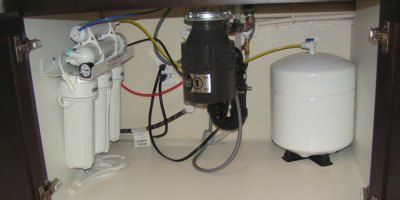
    RO, short for reverse osmosis, is the gold standard of filtration. The multi-stage systems filter water at multiple levels—pre-filters for sediment, carbon blocks for taste and smell, RO membranes for microscopic impurities, and sometimes even post-filters to polish things off. It’s like giving your water a spa day… every single day.

    And the result? You drink more water because it tastes better. Coffee is smoother. Pasta boils cleaner. You stop hoarding bottled water because suddenly, what’s coming out of your own faucet is better than anything from the store.


    Not Just a Quick Fix—This Is a Long Game

    This wasn’t a weekend project or a temporary fix. It was a mindset shift. Clean water isn’t just about taste. It’s about lifestyle. Health. Daily ease. It’s about the things you don’t want to think about—like what your kids are drinking or whether your plumbing can survive another year of buildup.

    That’s why we went all-in on a full system upgrade. Softener + RO. Clean water for every purpose, from washing veggies to washing clothes. And best of all? It’s not a thing I have to fuss with. Once it’s installed, it just works.

    The value of long-term clean water isn’t always obvious on day one. But fast forward a year—and your water heater’s still running like a champ, your faucets aren’t clogged with scale, and your skin doesn’t feel like it’s been sandpapered every time you shower.

    That’s not just a win. That’s the kind of return that most home upgrades can only dream of.


    What Surprised Me Most

    Here’s something nobody tells you when you start looking into water systems: it’s weirdly satisfying.

    I know, I know. That sounds ridiculous. But every time I fill a glass of water from my tap, I still think, “Wow. That’s good.” Every time I clean the sink and it stays clean? Weirdly thrilling. Every time I check the filter life and see it’s still running efficiently, I get this quiet sense of “Yeah, I did this right.”

    Water quality isn’t flashy. It won’t win you Instagram likes or impress your neighbors the way a new kitchen might. But it will change how your home feels. How you feel, day to day.

    And in the long run, those little shifts? They matter more than you think.


    So, Is It Worth It?

    Absolutely.

    Yes, you’ll spend some money upfront. Yes, you’ll need a professional to install the system properly. But this isn’t one of those over-hyped, under-delivering gadgets. This is infrastructure. This is the foundation for everything else working better—your appliances, your cooking, your self-care, your hydration habits.

    You’ll use it every single day. And it’ll quietly make every one of those days just a little bit better.


    Final Thoughts

    Water isn’t just a utility. It’s a vital part of our daily lives, and too often, we ignore its quality until it’s too late. But the good news? It’s easier than ever to fix. Whether it’s installing a softener, adding filtration, or combining both into a full upgrade—better water is within reach.

    And once you’ve got it, you’ll wonder how you ever lived without it.