Author: dailyideapost.com

  • What’s Lurking in Your Tap? Why South Lyon Residents Are Rethinking Water Quality

    What’s Lurking in Your Tap? Why South Lyon Residents Are Rethinking Water Quality

    There’s something oddly comforting about filling a glass straight from the kitchen sink. Cold, clear, reliable. It’s easy to assume that if it looks clean and doesn’t taste funky, it’s probably fine. But here’s the quiet truth: looks can be deceiving. And if you live in South Lyon or anywhere nearby, it might be time to ask a few deeper questions about what’s really in your water.

    This isn’t about alarmism—it’s about awareness. Because that invisible stuff swirling below the surface? It matters more than you think.


    The Water You Use Every Day (Without Thinking Twice)

    You wash your hands. You rinse off fruit. You fill your dog’s bowl. You boil pasta. All with water that flows, untreated, straight from your tap. And while municipalities do their best to maintain safety standards, there’s still a lot that can slip through the cracks—especially when it comes to aging infrastructure, local environmental changes, or even the pipes inside your own home.

    That’s where South Lyon MI certified water testing comes into play. It’s not just for when something seems “off.” It’s for any homeowner who wants the truth, backed by science, about the water they use every single day.


    Why DIY Kits Aren’t the Final Word

    Maybe you’ve picked up one of those water testing strips from the hardware store. They’re great for basic checks—like seeing if your water’s a little too hard or if chlorine levels are high. But they’re also limited. Very limited.

    If you’re concerned about more serious stuff—lead, bacteria, PFAS (those pesky “forever chemicals”), nitrates, or industrial runoff—you need a professional water test to get real answers. The kind that goes to a lab. The kind that comes with a report that doesn’t require a chemistry degree to understand.

    And honestly? That’s peace of mind money can’t buy. Because knowing what’s not in your water can be just as powerful as discovering what is.


    The Case for Going a Step Further

    For those who want a more detailed breakdown—or who live near agricultural zones, industrial areas, or rely on well water—there’s another layer to consider: advanced water inspection. This isn’t just your basic test. It’s a deeper dive into your water’s chemistry, pressure, flow rate, and even microbial content.

    Think of it like a full-body health checkup for your home’s plumbing system. It can uncover things like iron bacteria, volatile organic compounds (VOCs), or corrosion leaching from pipes—issues that, left undetected, might not cause symptoms today… but could absolutely cause headaches later.


    So What Happens If the Results Aren’t Perfect?

    First off, don’t panic. It’s not uncommon to find something unexpected in your water. In fact, most homes will show something—and often, it’s fixable. Whether it’s installing a simple under-sink filter, upgrading to a reverse osmosis system, or adding a whole-home softener, you’ve got options.

    And the beauty of testing first? You don’t waste money on guesswork. You only invest in the solutions that actually solve the problem.

    In a world where we test everything—from the air in our tires to the sugar in our blood—it makes sense to test the one thing we all ingest every day without question.


    Why South Lyon-Specific Testing Matters

    Here’s the thing about water: it’s local. The water in one city block might be different from the next, depending on pipe materials, water source, or even seasonal shifts in runoff. That’s why trusting a national chain with no knowledge of South Lyon’s soil, well depth, or infrastructure quirks just doesn’t cut it.

    Local providers understand the groundwater makeup here. They’ve seen what crops up again and again—whether it’s sulfur odor from well water or manganese levels sneaking past acceptable limits. They know what to look for, how to test for it, and—just as important—how to fix it.


    Your Next Step? It’s Easier Than You Think

    If you’ve never tested your water before, or if it’s been a few years, there’s no time like now. Reach out to a trusted local expert. Get a certified test. Ask questions. Learn a little more about the stuff you use every day but probably never think about.

    And if everything comes back clean? Even better. You’ve got data and confidence—and that’s worth something.


    Final Sip

    Water isn’t something you should have to question. It should be clean, safe, and reliable—every glass, every time. But in today’s world, assumptions just aren’t good enough anymore.

    Whether you’re raising a family, aging in place, or just someone who cares about what’s in your home, water testing isn’t overkill. It’s ownership. It’s control. It’s knowing, not guessing.

    Because you deserve more than “probably fine.” You deserve clarity, literally and figuratively.

    And it all starts with a test.
  • Pure Peace of Mind: Why Smart Households Are Upgrading Their Water Filters in 2025

    Pure Peace of Mind: Why Smart Households Are Upgrading Their Water Filters in 2025

    There’s something oddly comforting about a glass of cold, clean water. You don’t question it—you just sip, gulp, refresh. But lately, more folks are beginning to ask: What exactly is in our water? With aging infrastructure, trace chemicals, and unpredictable quality, the truth is… you might not want to know.

    I didn’t either, until a routine plumber visit led to a disturbing discovery—our tap water, though technically “safe,” was carrying way more sediment and chlorine than I’d expected. That tiny realization spiraled into a full-blown journey of filters, flow rates, and rethinking what it means to have truly clean water at home.

    Now, before you zone out thinking this is just another boring PSA about drinking more H2O, hear me out: this isn’t about hydration—it’s about peace of mind.


    Not All Filters Are Created Equal—But You Don’t Need to Be a Scientist to Choose Wisely

    Walk into any home store or type “water filter” into a search bar and… boom. You’re hit with a wall of jargon. Reverse osmosis, carbon block, micron rating, UV sanitization. It’s like a chemistry class collided with a plumbing tutorial.

    And yet, at the core of it all, the question remains beautifully simple: What do you want removed from your water—and how much effort are you willing to put in?

    If you’re just after better-tasting water for your morning brew, a countertop jug filter might do the trick. But if you’re dealing with hard water stains, weird smells in the shower, or you just don’t trust the aging pipes under your street, then it’s time to explore the best water filters designed for more than just kitchen use.


    When Your Entire House Deserves Cleaner Water

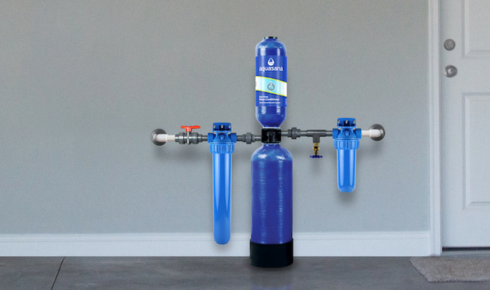
    Let’s talk about the unsung hero of household upgrades—the full home water filter. This isn’t a flashy kitchen gadget or a smart tech toy. It’s usually tucked away near your main water line, silently working its magic day in, day out.

    What it does, though, is impressive: every faucet, showerhead, washing machine, and even your garden hose starts dispensing water that’s filtered, softened, and stripped of contaminants. You’ll notice smoother skin, shinier dishes, and fewer water spots on glass doors. Even your clothes will thank you (goodbye crusty whites and faded colors).

    Installing one isn’t just about health—it’s a lifestyle shift. It’s about knowing you’re not just protecting your family’s drinking water but extending the life of your appliances and plumbing too. Fewer mineral deposits. Fewer surprise repairs. Fewer “Ugh, why is the water pressure awful again?” moments.


    Don’t Wait for a Problem—Be Proactive

    Here’s the thing: most people don’t think about their water system until something smells funny or a filter light starts blinking red. But by then, some damage may already be done.

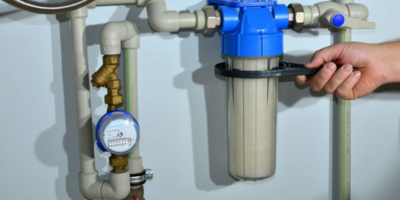
    That’s why scheduling a regular water system check—even once a year—can be a total game-changer. It’s not complicated. A professional comes in, runs a few quick tests, checks pressure, inspects your filters, and maybe swaps out a part or two. That’s it. Half an hour for a year’s worth of peace.

    Think of it like an oil change for your house. You don’t wait until the engine seizes—you just stay on top of it. And bonus: if you’re planning on selling your home anytime soon, being able to show a well-maintained water system can give buyers a real sense of trust.


    The Truth? Clean Water Shouldn’t Feel Like a Luxury

    For years, I assumed “clean” water came standard with modern plumbing. But the truth is, clean can mean different things depending on your location, your pipes, even the time of year. Municipal systems do their best, but there’s only so much they can filter before it hits your tap.

    And let’s be honest—while bottled water might seem like a shortcut, it’s expensive, wasteful, and not exactly great for the planet. Filtering at the source is smarter, cheaper in the long run, and far more sustainable.


    So, What’s Next?

    If this article nudged you to check the back of your fridge or tap the filter icon on your faucet, good. That’s a start. Maybe it’s time to replace a cartridge. Or maybe you’re ready to overhaul the whole setup and invest in something that protects every drop in your home.

  • Why Clean Water Shouldn’t Be a Luxury: How Smarter Systems Are Making It Possible

    Why Clean Water Shouldn’t Be a Luxury: How Smarter Systems Are Making It Possible

    You know that feeling when you come home on a hot day, fill a glass with water, and it tastes like… well, not much? That’s the point. Clean water is supposed to taste like nothing—just pure, refreshing neutrality. But for many people, that’s not always what comes out of the tap. From weird smells and cloudy textures to mineral overloads and chlorine tang, we’ve all dealt with it. Which is exactly why more homeowners and businesses are getting curious about smarter water solutions that go beyond basic filtration.

    Let’s get something out of the way: water quality isn’t just about taste. It’s about long-term health, appliance longevity, and even skin care. And while bottled water seems like the easy solution, it’s not sustainable—financially or environmentally. So where’s the middle ground? The answer lies in modern water treatment tech that doesn’t ask you to compromise.

    The Rise of Reverse Osmosis at Home

    Alright, let’s nerd out for a second. Imagine water molecules playing a game of Red Rover. The only ones allowed through are the pure H2O molecules—everything else, like lead, chlorine, nitrates, or funky tastes, gets bounced. That’s the basic principle behind reverse osmosis, a technology that’s quietly revolutionizing the way families access clean drinking water at home.

    The best part? It’s not as sci-fi as it sounds. Under-sink systems are getting sleeker, quieter, and more affordable. Plus, the newest models don’t waste nearly as much water as older ones did—a common concern. Whether you’re in a rural area with questionable well water or stuck with heavy municipal chlorine, RO is like hiring a bouncer for your faucet. Only the good stuff gets in.

    No More Big Box Runs: Water Salt Delivery Saves the Day

    Now, if you’ve got a water softener system, you know the drill. That moment when you realize you’re out of salt pellets, and your water’s turned hard again—scratchy towels, chalky dishes, irritated skin. It’s one of those small but mighty inconveniences.

    That’s where water salt delivery becomes a total game-changer. More companies now offer home delivery subscriptions, making it stupidly easy to stay stocked. No hauling heavy bags, no forgetting to restock, no interruptions to your soft water bliss. Honestly, it’s one of those services that once you use it, you wonder how you ever managed without it.

    It’s especially useful for folks with mobility issues or busy schedules (aka most of us). The salt just shows up, right on time, and your softener keeps humming along. It’s the kind of invisible maintenance that makes life smoother—literally.

    Businesses Are Getting Smarter with Commercial Water Systems

    Clean water isn’t just a household issue. For restaurants, salons, gyms, manufacturing plants—heck, even car washes—water quality can make or break operations. And here’s the kicker: most businesses don’t realize how much water affects their bottom line until something goes wrong.

    Investing in commercial water systems isn’t just about filtering out gunk. It’s about optimizing efficiency, protecting expensive equipment, and improving customer satisfaction. Think about a coffee shop with water that’s too hard—machines wear down faster, and the coffee doesn’t taste quite right. Or a hair salon dealing with mineral-heavy water that messes with hair color results. These are real issues.

    Modern systems can be tailored to specific industry needs. You’ve got multi-stage filters, UV disinfection, softeners with automated regeneration, and remote monitoring. The point is, smarter water isn’t a luxury anymore—it’s a competitive edge.

    The Bigger Picture: Why It All Matters

    The truth is, we’ve gotten used to treating water like an afterthought. Turn on the tap, fill a glass, done. But when you really look at how water quality impacts everyday life—from the taste of your morning tea to the life span of your washing machine—it becomes crystal clear that it deserves more attention.

    We’re living in a time where tech can solve a lot of our water woes. Not by reinventing the wheel, but by making better use of what we already have. Reverse osmosis makes drinking water safer. Water salt delivery makes softeners hassle-free. And commercial water systems help businesses operate smarter and greener.

    And honestly? That’s where the magic is. Not in flashy marketing or overcomplicated gadgets, but in practical systems quietly improving lives behind the scenes.

    Final Thoughts: Drink Better, Live Better

    We can’t control where our water comes from—but we can absolutely control how we treat it. Whether you’re a homeowner tired of chalky glasses, a small business looking to upgrade your setup, or someone who just wants their coffee to taste a little better, you’ve got options. Real, smart, attainable ones.

  • Clear Intentions: How Upgrading Our Water Changed the Way We Live at Home

    Clear Intentions: How Upgrading Our Water Changed the Way We Live at Home

    You never really think about the water coming from your tap—until you do.

    For us, the realization crept in slowly. It wasn’t one big moment of crisis. It was a thousand little things. A faint metallic taste in my glass. The streaks on our dishes, no matter how much rinse aid we used. My skin feeling like sandpaper in winter. I used to joke that our water “had attitude.” Turns out, it had something else: a buildup of minerals and unfiltered residue that wasn’t doing us (or our plumbing) any favors.


    The Signs Were Subtle—Until They Weren’t

    Honestly, we thought it was normal. Doesn’t everyone’s coffee taste slightly bitter? Don’t you always have to scrub your showerhead every other week? It wasn’t until a friend visited and said, “Your water tastes kinda… old,” that I realized maybe it wasn’t just in my head.

    That night, I started looking into the best water filters for home use, and wow. I fell down a rabbit hole. Pitchers, under-sink units, countertop gadgets, whole-home systems—it was like learning a new language. But what I noticed right away? A lot of people were talking about the difference—in taste, in comfort, in peace of mind.

    That’s when I knew it wasn’t just a nice-to-have. It was something we’d been missing out on.


    It All Started with a Check-Up

    Before we bought anything, we decided to get a water system check. It wasn’t expensive and gave us a full readout of what was actually in our water. Chlorine levels were higher than we expected. We had sediment. And while the water was technically “safe,” it didn’t feel like the kind of water we wanted to rely on every day.

    That check changed everything. It confirmed what we’d been feeling all along: our water was underperforming. And so, we finally committed to fixing it.


    Choosing a System That Fit Our Life

    We didn’t want a short-term fix. No more swapping tiny filters or refilling fridge pitchers. We wanted something that could treat all the water entering our home—showers, sinks, laundry, everything. So we settled on a full home water filter.

    Installation was surprisingly smooth. The crew was in and out in a day, and they walked us through everything. They explained how the system worked, how to maintain it, and why it made sense for our specific water issues. It didn’t feel like an upsell—it felt like we were finally paying attention to something essential.

    And right away, the results were obvious.


    Tastes Better, Feels Better, Works Better

    The first change we noticed was in the kitchen. Our water tasted clean—like cold, crisp air in liquid form. Even ice cubes were clearer, less cloudy. My wife’s soups and sauces had more depth, which I used to think came from her seasoning skills (sorry, honey—it was probably the water).

    Then came the showers. No more tight, dry feeling afterward. Our shampoo actually lathered. My razor didn’t clog with white residue. It was like stepping into a spa instead of battling the elements in our own bathroom.

    Laundry? Brighter whites. Softer towels. Less detergent. The results spoke for themselves.


    Unexpected Wins Along the Way

    Here’s the funny part: once the water changed, we changed, too.

    We started drinking more water because it actually tasted good. We ditched the bottled stuff almost immediately. The kids didn’t complain when we asked them to drink water with dinner. Even the dog was more enthusiastic about his bowl (okay, that could be a stretch—but still).

    We also noticed fewer maintenance issues. No more scrubbing the kettle every few days. The dishwasher ran quieter. And that crusty white film around the bathroom faucet? Gone.

    Turns out, water doesn’t just keep you alive—it can actually make your home feel more alive.


    Would I Do It Again?

    Without a doubt.

    Investing in a full-house water system wasn’t just a home upgrade. It was a mindset shift. We realized how much we’d been settling for “fine” when better was just a decision away.

    If you’re on the fence, I get it. It’s not glamorous. You won’t get Instagram likes for having filtered water. But you will feel the difference every single day—in your body, your appliances, your comfort.

    So take the first step. Book a test. Ask questions. Be a little curious. Because sometimes the best changes start with the smallest shift in perspective.

    And trust me—once you taste truly clean water, you’ll wonder how you ever lived without it.

  • Transforming Chaos Into Calm: How to Rethink Your Bathroom as a Personal Sanctuary

    Transforming Chaos Into Calm: How to Rethink Your Bathroom as a Personal Sanctuary

    There’s something deeply comforting about closing the door to your bathroom and leaving the world outside—even if it’s just for a few minutes. In that tiny bubble of privacy, you breathe a little deeper, think a little clearer, and if you’re lucky, soak in a little silence. But for many of us, that daily escape feels more like a chore than a retreat. Rusty faucets, chipped tiles, dim lighting—it’s hard to find your zen when your space feels more 1990s motel than modern sanctuary.

    That’s where reimagining your bathroom begins to matter. Not just as a space to wash and go, but as a pocket of personal luxury that gives back. And yes, it’s entirely possible—even in a smaller home or on a tight budget—to turn your bathroom into a calming retreat that whispers peace instead of screaming “fix me.”

    Let’s dig into how a thoughtful approach to bathroom remodeling can be more than just aesthetics—it can be life-improving.


    Why It’s Time to Stop Ignoring Your Bathroom

    It’s funny, isn’t it? We spend hours scrolling Pinterest for kitchen inspo or dreaming about that backyard fire pit, but the room we use to start and end our day? It gets the leftovers—time, attention, money. Yet, there’s real power in elevating your bathroom from utilitarian to intentional.

    Think about this: your bathroom might be the only place in your house where you’re truly alone. No emails, no screaming kids, no ringing phones. That’s a sacred space. Shouldn’t it feel sacred, too?

    Beyond the emotional lift, there’s also a tangible boost to your home’s value. A well-executed remodel—especially one that includes energy-efficient fixtures or clever storage—can offer a solid return on investment. But even if you’re not looking to sell anytime soon, investing in comfort and functionality can make your everyday experience noticeably better.


    Let’s Talk Design: It’s More Personal Than You Think

    Design isn’t just a matter of picking tile patterns or matching your towel color to the vanity. It’s about creating a space that reflects you—your pace, your mood, your style. That’s where a custom bathroom design really shines.

    Maybe you’re into warm, woodsy textures and ambient lighting that makes every shower feel like a forest escape. Or perhaps you lean minimalist—sleek lines, matte black fixtures, clean surfaces. Whatever speaks to you, the trick is making the design work for you, not just around you.

    Custom doesn’t mean fancy. It means thoughtful. It means figuring out what annoys you now (cluttered counters, terrible lighting, zero storage) and solving for that—intelligently, practically, beautifully. The best bathroom designs feel intuitive, like they were built just for you (because, ideally, they were).


    The Rise of the Spa Bathroom (and Why You Deserve One)

    Let’s get one thing straight: you don’t need a mansion or a six-figure renovation budget to have a spa bathroom. That whole vibe—the tranquility, the warmth, the intentional design—can absolutely be recreated on a modest scale. It’s not about square footage. It’s about purpose.

    Start with sensory upgrades. Think heated floors, a rain shower head, or soft-close drawers (yes, those tiny details matter). Add some live plants to breathe life into the space. Opt for layered lighting—something bright for getting ready, something dim for relaxing. Scented candles or essential oil diffusers? Always a win.

    And if you really want to go all in: a built-in bench in the shower, a soaking tub, or even a towel warmer can make your bathroom feel like a 5-star retreat you don’t need to book in advance.

    The magic of a spa bathroom isn’t just in the look—it’s in how it makes you feel. Refreshed. Centered. Maybe even a little spoiled (which you probably deserve).


    Closing Thoughts: You’re Not “Just” Remodeling

    Here’s the thing. You’re not just fixing a cracked tile or swapping out a sink. You’re redesigning a piece of your daily routine. You’re creating a haven in the middle of your house. And that’s a pretty powerful move.

    Remodeling a bathroom can be overwhelming, no doubt. The choices feel endless. Timelines shift. Budgets stretch. But if you lead with intention—if you focus on what would make your mornings brighter, your evenings calmer—it’s entirely possible to end up with a space that feels like a gift to yourself, every single day.

  • Beyond Survival: The Human Side of Business Growth and Exit Planning

    Beyond Survival: The Human Side of Business Growth and Exit Planning

    Running a business isn’t just about spreadsheets and quarterly targets—it’s about late nights, big dreams, and the sometimes-messy journey in between. Whether you’re a founder, CEO, or a small business owner juggling roles, there comes a point when you stop asking, “How do I stay afloat?” and start wondering, “Where is this thing really going?”

    And that’s when the real work begins.

    Planning for Growth Isn’t Just Scaling—It’s Soul Searching

    Let’s be honest—most businesses don’t have a clear plan for growth. Not because they don’t want to, but because growth planning often feels like navigating in the fog. There’s no universal blueprint. What works for a trendy e-commerce startup won’t necessarily fly for a 40-year-old family-run HVAC company.

    Business growth planning isn’t about slapping goals on a whiteboard. It’s about aligning your ambition with a strategy that doesn’t burn out your team or dilute your culture. It involves taking a hard look at operations, customer experience, leadership bandwidth, and yes—finances.

    One founder I worked with summed it up well: “We hit $10 million in revenue and still felt like we were improvising.” That’s because real growth planning forces you to mature the business—operationally, financially, emotionally. It’s less “add more zeros,” and more “build something that doesn’t collapse when you step away.”

    The Dirty Little Secret About Exits

    Everyone loves a good startup success story—the founder who exits for 8 figures and sails off to a beach in Portugal. But here’s the truth: most exits aren’t glamorous. They’re messy, last-minute, reactive… and riddled with regret.

    That’s where exit readiness tools come in. Not the boring kind you shove in a dusty folder, but real, living systems that help you think like a buyer before you ever meet one.

    Think of it this way—if your business was a house, would someone walk in and immediately see its value? Or would they spot the leaky faucets, cluttered closets, and funky wiring under the surface?

    True exit readiness is about getting your house in order now, not scrambling to stage it when a buyer’s knocking. That means cleaning up financials, documenting processes, understanding customer concentration risk, and preparing your team to function without you. It’s about giving yourself options—even if selling isn’t on the immediate horizon.

    Because here’s a quiet truth: the more ready you are to leave, the more power you have to stay.

    Value is Built, Not Assumed

    We’ve all seen business owners slap a number on their company based on gut feel or a vague “industry multiple.” But value? It’s earned. It’s built over years of intentional action.

    Value optimization strategies aren’t just about pumping EBITDA. They’re about refining what truly makes your business worth buying—or worth keeping. That could mean productizing services, diversifying revenue streams, building recurring income, or even trimming legacy offerings that don’t pull their weight anymore.

    Sometimes, it’s about simplifying. Other times, it’s about doubling down. What’s universal is the shift in mindset—from running a business as a lifestyle to running it as an asset.

    A well-optimized business gives you leverage. Want to sell? You’ll attract better buyers. Want to stay? You’ve got a machine that runs smoother, grows faster, and gives you actual freedom—not just more work.

    The Human Part No One Talks About

    In all this talk about planning, value, and exits, what gets lost is the emotional toll of being a business owner. The weight of people relying on you. The pressure to always know what’s next. The loneliness of not having a roadmap.

    There’s a reason smart business owners surround themselves with good advisors—not just to crunch numbers, but to make sense of the chaos. Coaches, consultants, peers, therapists—anyone who can help unpack the “why” behind the growth, not just the “how.”

    Because here’s the thing: business isn’t a game of chess. It’s life, lived at high velocity. And planning for your next chapter—whether it’s scale, succession, or sale—requires as much introspection as it does execution.

    Final Thought: Build for Options, Not Ultimatums

    No one likes being cornered. Whether it’s a surprise offer, a health scare, or plain burnout—life has a way of testing our business decisions. The strongest owners aren’t the ones who build the biggest empires. They’re the ones who build with options in mind.

  • When the Fridge Fails: How Birmingham Residents Can Keep Their Cool with Local Repair Experts

    When the Fridge Fails: How Birmingham Residents Can Keep Their Cool with Local Repair Experts

    Let’s face it—modern life falls apart fast when your fridge stops working. It’s one of those everyday appliances we take for granted until, suddenly, the milk’s warm, the ice cream’s melting, and we’re standing in front of it wondering if it’s just a hiccup or a full-blown food crisis. For folks living in Birmingham, Alabama, the good news is you’re not on your own. There’s a solid network of pros out there who specialize in getting your kitchen back in order.

    Now, this isn’t one of those techy “how a compressor works” pieces. This is about what actually matters: food, family, and the unexpected mess when something stops doing its one job. We’ve all been there—running late, you swing open the fridge and…ugh. Lukewarm. You check the dial, pull the plug, whisper a prayer. But the cold never comes.

    That’s where good, reliable Birmingham AL refrigerator repair services step in. These are the folks who get the phone calls at odd hours because someone’s dinner is slowly dying on a glass shelf. They’ve seen it all—jammed coils, failing thermostats, doors that won’t seal, leaks pooling under veggie drawers. And unlike a lot of other service industries, when it comes to refrigerator repair, time matters. Because the longer you wait, the more it’s not just an inconvenience—it’s a loss.

    One thing to keep in mind? Don’t panic. A fridge acting up doesn’t always mean you need a new one. More often than not, it’s a part that gave out or something that needs a deep clean. If the unit’s still humming but not doing its cooling thing, that’s actually a good sign. It means it’s worth calling a technician before you start Googling appliance stores.

    It’s funny how quickly a small issue can spiral into chaos. Your fridge doesn’t just cool your food. It keeps your week on track. When you’re juggling work, school, and soccer practice, a warm fridge can mean rescheduling your life around what needs to be eaten right now. That kind of chaos? No thanks. If you’ve noticed things aren’t staying as chilled as they should, there’s a chance you’re dealing with a Birmingham AL fridge not cooling issue. And the sooner you get that checked, the better.

    The best repair techs in Birmingham aren’t just good with tools—they’re calm under pressure. They show up with a game plan, explain what’s going on without jargon, and give you options. Maybe it’s a quick fix. Maybe it’s a bigger repair. But at least you’re not guessing anymore. There’s peace in knowing someone’s on it, someone who’s fixed a hundred just like it.

    Another area where people get blindsided is the freezer. You don’t realize how much you rely on it until it quits, and suddenly your frozen meats, berries, and those lazy-weekend pizzas are sweating their way toward garbage day. And in Alabama’s heat? That happens fast. If your freezer’s gone silent, or worse—humming but not freezing—it’s time to seek Birmingham AL broken freezer service that can respond quickly and thoroughly.

    Freezer issues can be sneaky. Ice build-up might seem harmless until it blocks airflow. Or maybe you’ve got a failing defrost timer, and things are alternating between thaw and freeze like some cruel prank. Either way, these aren’t DIY jobs for most folks. You don’t want to guess with frozen food, especially if you’ve stocked up during sales or prepped for a long week. That stuff’s valuable, and not just dollar-wise—it’s about convenience, comfort, and routines.

    Here’s the kicker: these aren’t just “appliances.” They’re lifelines to daily living. So finding the right person to handle them—someone local, trustworthy, with real experience—is huge. And the beauty of living in Birmingham is that we’re a community built on helping one another. Word-of-mouth still counts. So if your neighbor swears by a certain repair guy who got their fridge back to ice-cold in two hours? That’s a solid lead. Don’t ignore it.

    Of course, prevention helps. Cleaning your coils, checking seals, and not overloading your fridge like it’s a game of Tetris—that all matters. But even with the best habits, machines wear down. It’s okay. That’s life. What matters is how fast you bounce back.

    And when that inevitable fridge moment hits, don’t treat it like the end of the world. Treat it like a speed bump. There are pros in Birmingham who do this for a living. They’re not just handy—they’re lifesavers when your leftovers are on the line.

  • Iron Doors That Speak Your Style: Why Custom Entryways Are Worth the Investment

    Iron Doors That Speak Your Style: Why Custom Entryways Are Worth the Investment

    You know how sometimes a house just feels right from the moment you lay eyes on it? It’s not always the landscaping or the paint job—often, it’s that bold, beautiful entryway that quietly sets the tone. The front door isn’t just a slab of metal or wood you walk through; it’s an introduction. A handshake. And in a world where everything is mass-produced and templated, there’s something pretty powerful about going custom.

    Let’s talk about the art—and yes, it is an art—of crafting your ideal front door. Especially when you’re leaning into strong, elegant materials like wrought iron. These aren’t just doors; they’re statements.


    The Quiet Power of Personalization

    Ever walked into a home and immediately felt that the vibe just wasn’t…you? Maybe it was a little too traditional, or too stark and modern. That’s the thing with one-size-fits-all: it rarely fits all. That’s where custom door design steps up to the plate. When your entryway is tailored to your personal taste, it’s like your home finally gets its own voice—and it happens to sound like you.

    Think about it: do you prefer ornate scrollwork or clean, minimal lines? Arched tops or geometric patterns? Matte black, rustic bronze, or a pop of unexpected color? A custom design lets you tweak every curve, every hinge, and every panel until it reflects your soul. It doesn’t just elevate the home; it grounds it. Anchors it.


    Built to Impress—and to Last

    There’s an undeniable confidence that comes with something built just for you. Especially when it’s something as permanent as your front door. With made-to-order iron doors, you’re not just picking from a catalog and crossing your fingers. You’re working with skilled artisans—actual people with tools and torch flames—who understand the nuance between “pretty” and “timeless.”

    These doors are engineered to handle life. The weather, the knocks, the years. Iron is strong, durable, and when properly treated, it resists rust like a champ. Add in energy-efficient glass, weather seals, and modern hardware? You’re not just getting style; you’re getting performance.

    And no, it’s not just about security (though, sure, iron does that really well too). It’s about creating an entrance that feels intentional—like it was always meant to be there.


    That ‘Wow’ Moment? Yeah, It’s Real.

    Luxury is one of those slippery words that gets thrown around too easily. But sometimes it fits, and when it comes to hand-forged iron doors, it’s not about extravagance. It’s about craftsmanship. Detail. Weight. Feel.

    A luxury iron entry has a different presence altogether. Guests notice. Neighbours notice. But more importantly—you notice. Every time you come home, there’s a silent satisfaction in grabbing that heavy, cool handle and swinging open something you helped bring to life.

    This kind of entrance adds depth to curb appeal and value to your home. But forget resale value for a sec—what about the value of daily joy? What about the pride in knowing you didn’t just settle?


    From Pinterest Dream to Front Porch Reality

    You’ve probably saved a few photos—arched doors tucked under ivy, French-style double doors with frosted glass panels, maybe even some Art Deco vibes. And for good reason. The internet is packed with design inspo, but it’s another thing entirely to translate that into something functional and uniquely yours.

    That’s where the right door company earns its stripes. Look for one that doesn’t just sell—but listens. Collaborates. Offers renderings, material samples, finish options, and real, human feedback. This should feel less like ordering a product and more like commissioning a piece of art.


    It’s Not Just a Door, It’s a Threshold

    Here’s the truth: your front door is more than an architectural feature. It’s the threshold between the life you’ve built inside and the world outside. It greets your friends, keeps your family safe, frames every holiday photo, and silently holds its post through all the seasons of your life.

    Why wouldn’t you want that threshold to be something special?

    There’s a quiet power in walking through a door that was designed for you. It signals intention. It whispers pride. And sure, it might just make the neighbors a little jealous. But mostly—it makes you feel like you’ve arrived. Home.


    Final Thoughts (That Aren’t Final at All)

    If you’re even thinking about stepping beyond builder-grade basics, follow that hunch. Explore, sketch, dream, get quotes, and get involved. The journey from idea to iron masterpiece is surprisingly personal—and incredibly rewarding.

  • Fine-Tuning Your Ride: The Unsung Heroes of Precision Vehicle Alignment

    Fine-Tuning Your Ride: The Unsung Heroes of Precision Vehicle Alignment

    Not every car project begins with horsepower dreams or exhaust upgrades. Sometimes, it’s about the subtle stuff—the kind of tweaks that don’t scream for attention but make all the difference in how your vehicle feels on the road. I’m talking about alignment. Yeah, it might not be the flashiest upgrade in the garage, but if you’ve ever driven a car that pulls, wobbles, or eats through tires like candy, you know it matters.

    Whether you’re dialing in a track car, beefing up your off-roader, or just keeping your daily driver in line (literally), alignment components play a huge role in your ride’s safety and performance. And if you’re getting your hands dirty with suspension work, there are a few parts you should really get to know.

    Let’s start with something most folks overlook: alignment turn plates. These unassuming tools are magic when you’re trying to dial in exact toe or caster angles. Ever tried to adjust your alignment while the tires are stuck to the ground? It’s like trying to twist your ankle while standing on it. Turn plates eliminate that bind, letting your tires rotate freely during alignment adjustments. Whether you’re working in your home garage or at a full-blown shop, they’re a game-changer for accuracy. They give you that smooth pivot under each tire—think of them like lazy Susans for your wheels. Small detail, big impact.

    Now, on to something with a bit more bite—camber bolts. These little guys are often overlooked by beginners, but anyone who’s wrestled with camber settings knows they’re worth their weight in gold. Factory suspension setups don’t always offer a lot of wiggle room. Want to tuck those wheels in for a cleaner stance or dial out that awkward negative camber after lowering your ride? Camber bolts give you that fine control. Instead of replacing entire control arms or fabricating mounts, you slot in a pair of these bolts, rotate them just right, and voilà—you’ve got extra degrees to play with. They’re simple, affordable, and super effective. It’s like adding a dimmer switch to your suspension geometry.

    Of course, it’s not always just about camber or toe. When you start lifting or lowering your vehicle significantly, you change the suspension geometry entirely. That’s where control arm spacers come into play. I’ve seen more than a few folks slap on a lift kit or drop their ride an inch too far without accounting for control arm angles—and that can lead to uneven tire wear, weird steering behavior, or worse, damaged components. Spacers help maintain proper alignment by adjusting the angle and position of your control arms relative to the chassis. It’s not just about aesthetics—it’s about function and long-term reliability.

    Now don’t get me wrong: you could drive with sloppy alignment. People do it every day. But it adds wear and tear, reduces performance, and makes your car feel like it’s fighting you. It’s like walking with one shoe slightly higher than the other—you can do it, but eventually, something’s gonna hurt.

    If you’re a DIYer, investing in these kinds of tools and components means you’re not just wrenching for the sake of wrenching. You’re building a car that drives straighter, feels tighter, and actually performs the way it should. There’s real satisfaction in setting your alignment and then taking a curve with confidence, knowing your tires are gripping right, your steering’s on point, and your suspension isn’t working against itself.

    Here’s a quick story. A buddy of mine—let’s call him Jake—lowered his WRX, threw on some coilovers, and called it a day. Said it looked great (which it did), but every time we hit a backroad, his steering was twitchy, and he was chewing through tires faster than coffee on a Monday morning. He shrugged it off at first, but eventually gave in and let me help him dial in his suspension. We slapped on some camber bolts, realigned the front end using turn plates, and added spacers to fix the control arm angle. Night and day. The difference was so stark, he kept texting me after every drive. Sometimes it’s the small adjustments that make the car feel brand new again.

    At the end of the day, alignment isn’t just about measuring angles. It’s about harmony—getting every part of your suspension working together so that the car feels balanced, responsive, and planted. You don’t need to be a master mechanic, just someone who gives a damn about how their vehicle behaves.

    So, if your car feels a bit off lately or you’re in the middle of a build, take a closer look at the parts behind the scenes. Add a set of alignment turn plates to your garage arsenal. Pick up some camber bolts to fine-tune those wheel angles. Consider control arm spacers if you’ve been messing with your ride height. They might not look flashy, but they’ll make every drive feel smoother, sharper, and way more satisfying.

  • Tap to Table: Our Honest Story of Upgrading to Clean, Hassle-Free Water at Home

    Tap to Table: Our Honest Story of Upgrading to Clean, Hassle-Free Water at Home


    There are certain home improvements that feel like splurges. Granite countertops, heated floors, fancy lighting fixtures. They’re nice—but not exactly life-changing. Then there are upgrades that sneak in quietly and end up transforming your everyday life. For us? It was the water.

    We didn’t realize how much our tap water was affecting everything—our skin, appliances, even our cooking—until we made a few strategic changes. What started as a simple filter upgrade turned into a full-blown home water refresh. And now? We’ve got clean, soft, reliable water that just works. Here’s how we got there.


    From Basic to Brilliant: Why the Faucet Matters

    Our kitchen has always been the heart of the house. It’s where we gather, snack, argue over homework, and drink lots (and lots) of water. But that water—straight from the tap—was never quite right. It didn’t taste terrible, but it wasn’t exactly refreshing either.

    We’d tried the pitcher filters and those attachable faucet gadgets, but they didn’t last or feel very effective. After some late-night researching, we landed on an RO system with dedicated faucet. This thing changed everything.

    Instead of filtering all the water in the house, reverse osmosis systems work their magic on just the drinking and cooking water. The dedicated faucet sits next to our main tap and delivers water that’s clean, crisp, and surprisingly tasty. Coffee tastes like it came from a café. Our soups are clearer. Ice cubes don’t smell like fridge leftovers anymore.

    It’s a small change with big impact—and now, none of us touch bottled water unless we’re leaving the house.


    Solving the Hard Water Headache

    While our drinking water improved drastically, the rest of the house still had its issues. Chalky buildup in the shower. Dry skin after a hot bath. The washing machine struggling to rinse.

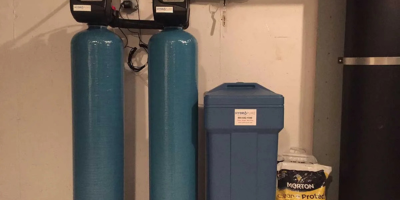
    Our area has notoriously hard water, and we’d been dealing with it for years without even knowing the real cause. That’s when we invested in a softener with bypass valve—and wow, what a relief.

    The bypass valve is a game-changer for maintenance. If we ever need to service the softener or run water through the system without softening, it’s a quick flip of a switch. No plumber needed.

    Within a week, we noticed the difference. Showers felt smoother, soap actually lathered, and our towels didn’t feel like sandpaper. Even the dishwasher ran quieter. I didn’t realize how much hard water was silently working against us until it stopped.


    Tackling the Whole Picture with a Tank

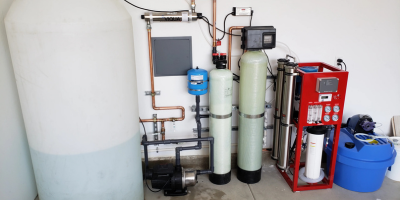
    Upgrading the RO system and softener solved a lot, but we still had concerns about sediment and overall flow. That’s when our local installer suggested a water filter tank install to complete the trio.

    Unlike little filters that sit on your faucet, a tank system works in the background to catch rust, sand, chlorine, and other invisible troublemakers before they make it to your taps or appliances.

    The tank sits in the garage, completely out of the way, and does its job without needing much from us. No cartridge changes every month. No second guessing. Just consistently clean water throughout the entire house.

    And here’s the cool part—we didn’t fully appreciate how much of a difference that extra layer of filtration would make until we stopped dealing with random plumbing issues and cloudy water in the tub. It’s like having an invisible safety net for your home.


    Real Life, Less Stress

    There’s something wildly underrated about not having to think about your water anymore. No more boiling tap water before using it for pasta. No more buying jugs to fill the humidifier. No more random white spots on clean dishes.

    Even maintenance feels easy now. The bypass valve lets us service the softener without interrupting the rest of the home. The RO system has simple, clearly labeled filters we replace once or twice a year. And the filter tank? It’s basically on autopilot.

    The biggest shift isn’t in what the water does—but what it doesn’t do anymore. It doesn’t leave residue. It doesn’t irritate our skin. It doesn’t ruin our coffee.


    A Small Investment That Pays Every Day

    We didn’t do everything at once. First came the faucet, then the softener, and finally the tank. If I had to do it all over again, I’d follow the same path. Each piece added a new layer of comfort and confidence to our home.

    If you’ve been thinking about making the jump—or even if you’re just tired of dry skin and bitter-tasting tap water—start somewhere. Whether that’s a RO system with dedicated faucet or a softener with bypass valve, each step brings you closer to water you can trust.

    You’d be amazed how something as ordinary as water can change your everyday life in extraordinary ways.

    So go ahead—turn on the tap. Your home deserves better. And honestly? So do you.