Author: dailyideapost.com

  • A Simple Guide to Getting Your HSRP Number Plate Online Without the Hassle

    A Simple Guide to Getting Your HSRP Number Plate Online Without the Hassle

    If you’ve owned a vehicle for a while, you’ve probably heard people talking about High Security Registration Plates everywhere lately. From traffic checkpoints to RTO notices, HSRP has become more than just another vehicle requirement — it’s now an important safety and compliance feature for Indian roads.

    The good thing is that getting one today is much easier than it used to be. Instead of standing in long queues or depending on local agents, most vehicle owners now prefer online booking portals to complete the process smoothly from home.

    One platform that many people search for is bookmy hsrp.com, mainly because it simplifies the registration and booking process for vehicle owners across several states.

    Why HSRP Plates Matter So Much

    A High Security Registration Plate is not just a normal number plate. It comes with advanced security features designed to prevent theft, cloning, and misuse of vehicles. These plates usually include:

    • A chromium-based hologram
    • Laser-etched serial number
    • Snap locks for tamper resistance
    • Standardized fonts and format

    Earlier, many vehicles had customized or poorly made plates that were easy to duplicate. That created problems for law enforcement and vehicle tracking systems. HSRP solves much of that issue by introducing a unified and secure system.

    For vehicle owners, it also means staying compliant with government transport rules. In many states, authorities have started issuing challans for vehicles that still use old number plates.

    Online Booking Has Changed Everything

    A few years ago, getting a new number plate often meant multiple visits to the RTO. You had to fill forms manually, wait for approvals, and sometimes deal with unnecessary delays.

    Now things are more streamlined. Online portals allow vehicle owners to:

    • Select their vehicle type
    • Enter registration details
    • Choose fitment location
    • Pick appointment slots
    • Make payments digitally

    The entire process usually takes only a few minutes if you already have your RC details handy.

    That’s one reason why searches for book my hsrp number plate have increased rapidly over the past year. People simply want a faster and more reliable method.

    What You Need Before Booking

    Before starting the booking process, keep these details ready:

    • Vehicle registration number
    • Chassis number
    • Engine number
    • Mobile number
    • Email ID
    • RC copy (sometimes required)

    Double-checking your information is important because incorrect entries can delay plate generation or appointment confirmation.

    Some users rush through the form and later realize the chassis number was entered incorrectly. That small mistake can create unnecessary headaches later.

    Choosing the Right Fitment Center

    One thing many vehicle owners overlook is the fitment location. While booking online, you’ll usually see several authorized centers nearby.

    Try choosing:

    • A center with better reviews
    • A location close to your route
    • A slot during non-peak hours

    Morning appointments are often quicker compared to late afternoon slots. Weekend bookings may also have longer waiting times depending on the city.

    Common Mistakes People Make

    Even though the process is mostly simple, a few mistakes happen quite often:

    Entering Wrong Vehicle Details

    Always verify your RC before submission. Even a single wrong digit can cause rejection.

    Booking Through Unofficial Sites

    Many fake portals imitate genuine HSRP websites. Stick to authorized booking platforms only.

    Missing Appointment Timing

    Some centers reschedule missed appointments, while others may require a fresh booking.

    Ignoring Confirmation Messages

    Keep screenshots or SMS confirmations saved until the plate installation is complete.

    Is HSRP Mandatory for Old Vehicles?

    In most states, yes. Vehicles registered before April 2019 are commonly being instructed to upgrade to HSRP plates. Enforcement timelines may vary by state, but authorities are increasingly strict about compliance.

    If your vehicle still uses an old-style plate, it’s wise to complete the process soon rather than waiting for penalties or enforcement drives.

    Final Thoughts

    Vehicle safety and identification systems are evolving quickly in India, and HSRP is a major part of that transition. While many people initially saw it as just another formal requirement, the system actually improves vehicle security and standardization in a meaningful way.

    The online process has made things considerably easier too. Instead of depending on agents or wasting time at transport offices, vehicle owners can now complete most steps digitally within minutes.

  • A Complete Guide to Booking Your HSRP Number Plate Online

    A Complete Guide to Booking Your HSRP Number Plate Online

    In recent years, vehicle regulations in India have become more structured, and one of the most important updates has been the introduction of High-Security Registration Plates (HSRP). If you still haven’t upgraded your vehicle’s number plate, now is the time. The process to book hsrp number plate online has made things far more convenient than before, eliminating long queues and paperwork hassles.

    Let’s walk through everything you need to know about HSRP number plates and how to book them easily.


    What is an HSRP Number Plate?

    An HSRP (High-Security Registration Plate) is a standardized number plate made of aluminum and designed with advanced security features. These plates come with a unique laser-etched code and a tamper-proof lock system, making it nearly impossible to duplicate or misuse.

    The government introduced HSRP to reduce vehicle theft, improve identification, and ensure uniformity across all states.


    Why is HSRP Mandatory?

    If your vehicle was registered before April 2019, chances are it still uses an old number plate. Authorities across India have made HSRP mandatory for all vehicles, including older ones.

    Here’s why it matters:

    • Prevents vehicle-related fraud
    • Improves road safety and monitoring
    • Helps authorities track stolen vehicles
    • Ensures compliance with legal norms

    Failure to install an HSRP can lead to fines or penalties, depending on your state.


    Benefits of Booking HSRP Online

    The online system has simplified the process significantly. Instead of visiting transport offices, you can now complete the hsrp number plate booking process from your home.

    Some key benefits include:

    • Saves time and effort
    • Easy appointment scheduling
    • Transparent pricing
    • Hassle-free documentation

    You just need a few basic details, and you’re good to go.


    How to Book HSRP Number Plate Online

    The process is straightforward and user-friendly. Follow these steps:

    Step 1: Visit the Official Portal

    Go to your state’s authorized HSRP booking website or the official vendor portal.

    Step 2: Enter Vehicle Details

    Fill in information like vehicle registration number, chassis number, engine number, and fuel type.

    Step 3: Select Fitment Location

    Choose a nearby dealership or center where the plate will be installed.

    Step 4: Pick a Time Slot

    Select a convenient date and time for installation.

    Step 5: Make Payment

    Pay the required fee online using UPI, debit card, or net banking.

    Once completed, you’ll receive a confirmation message or email.


    Documents Required

    To ensure a smooth booking process, keep these documents handy:

    • Vehicle Registration Certificate (RC)
    • Valid ID proof (if required)
    • Mobile number for OTP verification

    In most cases, no physical document submission is required during online booking.


    Cost of HSRP Number Plate

    The price of HSRP plates varies slightly depending on the vehicle type:

    • Two-wheelers: ₹300 – ₹500
    • Four-wheelers: ₹600 – ₹1,200

    Some states may include additional charges for home delivery or doorstep installation.


    Important Tips to Remember

    Before you proceed, keep these points in mind:

    • Always use official or government-approved websites
    • Double-check vehicle details before submitting
    • Reach the fitment center on time
    • Carry your original RC during installation

    Avoid third-party agents who may charge extra or provide incorrect services.


    What Happens After Booking?

    After booking, your number plate is manufactured with your vehicle details. On the scheduled date, you’ll visit the selected center where trained staff will install the plate using non-removable locks.

    The process usually takes 10–20 minutes, and once done, your vehicle is fully compliant with the latest regulations.


    Final Thoughts

    Upgrading to an HSRP number plate isn’t just about following rules—it’s about enhancing safety and security for your vehicle. The online system has made it incredibly easy to complete the process without stress.

    If you haven’t already, take a few minutes today to book your HSRP. It’s a small step that ensures long-term peace of mind every time you hit the road.

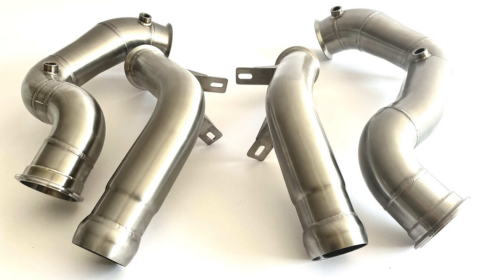
  • Downpipes for Mercedes E63 W213 and Lamborghini Urus

    Downpipes for Mercedes E63 W213 and Lamborghini Urus

    When it comes to unlocking real performance from high-end performance cars, few modifications deliver as much impact as upgrading the downpipes. Whether you’re working on a refined German powerhouse or an aggressive Italian SUV, the right setup can dramatically change how the car sounds, feels, and performs.

    In this guide, we’ll break down what makes downpipes so important, how they differ between setups, and what you should know before upgrading your vehicle.


    What Are Downpipes and Why Do They Matter?

    Downpipes are a crucial part of a turbocharged car’s exhaust system. They connect the turbocharger to the rest of the exhaust and play a big role in how efficiently exhaust gases exit the engine.

    Stock downpipes are usually restrictive because manufacturers prioritize emissions and noise regulations. Upgrading them allows for better airflow, reduced backpressure, and ultimately, improved performance.

    This is where options like mercedes e63 w213 catted and catless downpipes come into play, offering flexibility depending on your goals.


    Mercedes E63 W213 Downpipes: Catted vs Catless

    The Mercedes E63 W213 is already a beast from the factory, powered by a twin-turbo V8 engine. However, upgrading the downpipes can push it to another level.

    Catted Downpipes

    Catted downpipes include high-flow catalytic converters. These are a great middle ground for enthusiasts who want better performance without completely sacrificing emissions compliance.

    Benefits include:

    • Noticeable power gains
    • Reduced turbo lag
    • Less aggressive exhaust smell compared to catless setups
    • Street-friendly in many regions

    They’re ideal for daily drivers who want performance without going overboard.

    Catless Downpipes

    Catless downpipes remove the catalytic converters entirely, allowing exhaust gases to flow freely. This results in maximum performance gains.

    Advantages include:

    • Significant horsepower and torque increase
    • Faster turbo spool
    • Aggressive, louder exhaust note

    However, they come with trade-offs:

    • Strong exhaust smell
    • Possible check engine lights
    • Not legal in many areas

    Choosing between catted and catless ultimately depends on your priorities—comfort and compliance, or raw performance.


    Lamborghini Urus Downpipes: Taking Performance to the Next Level

    The Lamborghini Urus is a unique machine—it blends supercar DNA with SUV practicality. But despite its impressive stock performance, there’s always room for improvement.

    Upgrading to lamborghini urus downpipes is one of the most popular modifications among owners looking to enhance both sound and power.

    What Changes After Installation?

    Once upgraded, the Urus feels noticeably more alive. The engine breathes better, resulting in:

    • Sharper throttle response
    • Increased horsepower
    • More aggressive exhaust tone

    The difference in sound alone is enough to transform the driving experience. The deep, roaring exhaust note becomes more pronounced, giving the Urus a true supercar presence.


    Performance Gains You Can Expect

    While exact numbers vary depending on tuning and supporting modifications, most downpipe upgrades offer:

    • 30–80 horsepower increase
    • Improved turbo efficiency
    • Faster acceleration
    • Enhanced driving dynamics

    Pairing downpipes with an ECU tune can amplify these gains even further.


    Installation and Considerations

    Before jumping into a downpipe upgrade, there are a few practical things to keep in mind:

    Professional Installation Recommended

    Downpipes are located deep within the engine bay, making installation complex. It’s best handled by experienced professionals.

    ECU Tuning

    To fully benefit from upgraded downpipes, a proper ECU tune is often required. This ensures the engine adapts to the improved airflow.

    Legal and Emissions Factors

    Always check local regulations. Catless setups, in particular, may not be road-legal in many areas.


    Final Thoughts

    Upgrading downpipes is one of the most effective ways to enhance the performance of high-performance vehicles like the Mercedes E63 W213 and Lamborghini Urus. Whether you choose catted for balance or catless for maximum output, the difference is instantly noticeable.

    For enthusiasts who crave better sound, sharper response, and increased power, this modification is hard to beat. Just be sure to align your choice with your driving style, local laws, and long-term goals.

  • Машины из Японии без случайного выбора

    Машины из Японии без случайного выбора

    Машина из Японии (https://tokito-auto.ru/japan/czeny-na-avto) для многих покупателей интересна не только ценой. Гораздо важнее сочетание аккуратной эксплуатации, большого выбора, понятных аукционных правил и возможности заранее изучить состояние конкретного автомобиля. Японский рынок удобен тем, что покупатель видит не просто объявление с красивыми фотографиями, а лот с оценкой, пробегом, схемой кузовных замечаний и аукционным листом. Но именно здесь появляется соблазн упростить выбор: посмотреть на общий балл, сравнить цену и решить, что всё уже понятно.

    Такой подход опасен. Подержанный автомобиль всегда нужно оценивать как живую технику, а не как строку в таблице. У машины может быть хороший внешний вид, но уставший салон. Может быть небольшой пробег, но неудачная ремонтная история. Может быть приятная цена, но такие расходы после доставки, что выгода быстро исчезнет. Поэтому покупка из Японии требует не азартной охоты за дешёвым лотом, а спокойного разбора деталей.

    Почему японский рынок остаётся сильным

    Япония интересна покупателям прежде всего культурой автомобильного рынка. Здесь развита система аукционов, много машин с прозрачными данными, широкий выбор классов и комплектаций. В продаже встречаются компактные городские автомобили, универсалы, гибриды, минивэны, кей-кары, кроссоверы, полноприводные модели, спортивные версии и редкие модификации, которые трудно найти в России в нормальном состоянии.

    Для практичного покупателя особенно важны массовые модели. Toyota Aqua, Honda Fit, Nissan Note, Mazda Demio, Suzuki Swift, Toyota Vitz, Corolla Fielder, Honda Freed, Toyota Sienta, Subaru Impreza и похожие автомобили ценят за умеренный расход, понятное обслуживание и устойчивый спрос. Такие машины покупают не ради эффектного образа, а ради повседневной пользы: поездки по городу, семья, работа, трасса, дача, первая машина после получения прав.

    Есть и другая категория покупателей. Им нужны редкие комплектации, полный привод, необычный кузов, гибридная силовая установка или модель, которая в России встречается редко. Японские аукционы дают шанс найти такой автомобиль, но выбор становится сложнее. Чем интереснее версия, тем внимательнее нужно читать описание, смотреть статистику продаж и заранее понимать расходы на обслуживание.

    Аукционный лист как главный фильтр

    Аукционный лист часто называют главным документом при покупке автомобиля из Японии. Это справедливо, но только если его не воспринимать формально. Общая оценка важна, но она не заменяет расшифровку. Машина с оценкой 4 может иметь заметные кузовные замечания, а автомобиль с более скромным баллом иногда оказывается разумным вариантом, если дефекты понятны и не затрагивают серьёзные зоны.

    Особенно важна схема кузова. Пометки на дверях, крыльях, бамперах, капоте, крыше, стойках и порогах имеют разный вес. Небольшая царапина и следы серьёзного ремонта – разные вещи, хотя в беглом просмотре оба пункта могут выглядеть как короткие обозначения. Если покупатель не умеет читать такие пометки, ему легко принять проблемный лот за выгодный.

    Салон тоже требует внимания. Состояние руля, сидений, педалей, ковров, пластика, багажника и панели управления помогает понять, как машиной пользовались. Японский автомобиль может выглядеть аккуратно, но следы интенсивной эксплуатации всё равно остаются. Если пробег небольшой, а салон заметно изношен, это повод задавать вопросы. Если салон чистый, но в листе есть замечания по запахам, пятнам или повреждениям, это тоже нужно учитывать до ставки.

    Цена в Японии и цена в России

    Одна из частых ошибок – считать стоимость автомобиля только по цене лота. Покупатель видит привлекательную сумму на аукционе и мысленно сравнивает её с российскими объявлениями. Но между японской ценой и машиной у дома стоит целая цепочка расходов: покупка, комиссия, оформление, доставка по Японии, морская перевозка, таможенные платежи, утилизационный сбор, документы, логистика по России и возможное первичное обслуживание.

    Именно поэтому важно заранее считать полную стоимость. Не примерную мечту, а реалистичный бюджет под ключ. Тогда становится понятно, какие модели доступны, на какой год выпуска можно смотреть, какой пробег допустим, какую оценку имеет смысл рассматривать и где проходит предел ставки. Без такого расчёта покупатель может выиграть торги, но получить итоговую цену выше ожидаемой.

    Низкая цена лота не всегда означает удачную покупку. Иногда автомобиль дешевле из-за кузовных дефектов, скромной комплектации, большого пробега, низкой оценки салона или спорной ремонтной истории. В отдельных случаях такой вариант можно рассматривать, если причины понятны и уже заложены в бюджет. Но если машина просто “подозрительно дешёвая”, это не подарок рынка, а повод для проверки.

    Как выбирать модель под свои задачи

    Лучше начинать не с марки, а со сценария эксплуатации. Для города подойдут компактные хэтчбеки и гибриды. Они экономичны, манёвренны, удобны на парковке и часто дешевле в содержании. Для семьи разумнее смотреть универсалы, минивэны и компактвэны. Здесь важны багажник, второй ряд, двери, расход топлива, климат, безопасность и удобство посадки.

    Для регионов с долгой зимой и плохими дорогами покупатели часто ищут полный привод. Subaru, Suzuki, отдельные версии Toyota и Nissan могут быть интересны, но полный привод не стоит выбирать только из-за красивой формулировки в описании. Его нужно проверять, обслуживать и учитывать в будущих расходах. Иногда переднеприводный автомобиль в хорошем состоянии будет разумнее, чем полноприводный вариант с уставшей трансмиссией.

    Гибриды из Японии заслуживают отдельного разговора. Они экономичны, технологичны и хорошо представлены на аукционах, но требуют внимательной оценки батареи, инвертора, ошибок, системы охлаждения и истории эксплуатации. Хороший гибрид может стать очень выгодной покупкой, плохой – быстро потребовать расходов, которые перечеркнут всю экономию на топливе.

    Что стоит проверить до ставки

    Проверка до ставки экономит больше, чем торг после ошибки. Когда автомобиль уже куплен, возможности покупателя ограничены. Поэтому все сомнения лучше разбирать заранее. Нормальный подход включает не только чтение аукционного листа, но и сравнение с похожими продажами, анализ комплектации, проверку расходов и оценку будущего обслуживания.

    Перед участием в торгах стоит проверить:

    • аукционную оценку и подробную расшифровку всех пометок;
    • пробег и его соответствие состоянию салона, руля, сидений и педалей;
    • кузовную схему, следы ремонта, окрасы и повреждения силовых зон;
    • двигатель, коробку, подвеску, гибридную систему или полный привод;
    • комплектацию, наличие нужных опций и возможные отличия от российских версий;
    • итоговую стоимость с доставкой, растаможкой, оформлением и перевозкой по России.

    Такой список не должен восприниматься как формальность. Каждый пункт влияет либо на безопасность, либо на цену, либо на будущие расходы. Даже небольшой дефект может быть приемлемым, если он понятен и отражён в стоимости. Проблема начинается тогда, когда покупатель не понимает, за что именно платит.

    Почему ожидание иногда выгоднее быстрой покупки

    На аукционах каждый день появляются новые лоты, поэтому спешка редко помогает. Да, хорошие автомобили быстро уходят, и затягивать с решением нельзя. Но это не значит, что нужно ставить на первый привлекательный вариант. Лучше пропустить несколько спорных машин, чем купить одну проблемную из-за нетерпения.

    Удачный лот обычно складывается из нескольких признаков. Модель подходит под задачу, пробег выглядит логично, оценка не вызывает тревоги, кузовные замечания понятны, салон соответствует возрасту, цена укладывается в расчёт, а статистика продаж подтверждает разумность ставки. Если совпадает только часть этих условий, лучше подумать ещё раз.

    Покупка японского автомобиля не должна превращаться в соревнование с другими участниками торгов. Победа на аукционе сама по себе ничего не значит, если ставка была завышена или машина оказалась хуже ожиданий. Гораздо важнее купить автомобиль, который после доставки будет удобно обслуживать, приятно использовать и не страшно продавать через несколько лет.

    Японский автомобиль как рациональная покупка

    Хорошая машина из Японии редко бывает случайной удачей. Обычно за ней стоит спокойная работа: выбор модели, анализ бюджета, проверка аукционного листа, сравнение статистики, оценка состояния и грамотный предел ставки. Такой подход убирает лишние эмоции и помогает смотреть на автомобиль как на будущую собственность, а не как на красивый лот на экране.

    Покупателю стоит заранее принять простую мысль: идеальных подержанных машин почти не бывает. Есть автомобили с понятной историей, разумными дефектами и честной ценой. Есть варианты, которые лучше пропустить, даже если они выглядят привлекательно. Разница между ними становится заметной только при внимательной проверке.

    Японский рынок остаётся одним из самых интересных источников подержанных автомобилей для России. Он даёт выбор, данные, аукционную статистику и шанс найти машину под конкретные задачи. Но всё это работает только при вдумчивом подходе. Когда покупатель смотрит не на одну цифру, а на всю картину – состояние, документы, цену, доставку и будущую эксплуатацию, заказ автомобиля из Японии становится не риском, а понятной и управляемой покупкой.


  • AEO vs GEO vs SEO – Which One Deserves Your Budget First?

    AEO vs GEO vs SEO – Which One Deserves Your Budget First?

    Three disciplines, all acronymed, all competing for the same marketing budget, all claiming to address critical aspects of modern search visibility. SEO you’ve probably been doing for years. GEO (Generative Engine Optimization) and AEO (Answer Engine Optimization) are newer, and the vendors selling them would each like you to believe theirs is the most urgent investment.

    Here’s an honest framework for thinking about how to sequence these investments – not as a vendor trying to sell you a specific service, but as a genuine attempt to help you allocate limited resources where they’ll produce the most impact for your specific situation.

    The short answer, which I’ll spend the rest of this article qualifying properly: start with SEO fundamentals, layer AEO as a natural extension, and add GEO as your authority base matures. But the right sequence for your specific situation depends on factors worth examining.

    What Each Discipline Actually Does

    Let’s make sure we’re comparing clearly, because the terminology is genuinely confusing.

    Traditional SEO is the full range of work that improves visibility in traditional search results – technical optimization, content strategy, link building, local SEO. It’s still producing real traffic. It’s still a primary channel for most brands. It’s not going away, it’s evolving.

    AEO – Answer Engine Optimization – focuses specifically on optimizing for featured snippets, People Also Ask placements, knowledge panels, and voice search results. It’s essentially traditional SEO with additional emphasis on direct-answer formatting, schema markup, and the structured content that earns answer-box placements. For most brands, AEO is a layer on top of solid SEO, not a replacement for it.

    GEO – Generative Engine Optimization – focuses on visibility in AI-generated search results: ChatGPT, Perplexity, Google’s AI Overviews, and similar systems. It requires brand authority and content characteristics that make AI systems comfortable citing you, and it operates on different mechanisms than traditional ranking signals.

    The key observation: these disciplines aren’t actually competing with each other. They’re addressing different surfaces within a broader search ecosystem, and they share a large foundational base.

    The Shared Foundation That Makes All Three Work

    Here’s what most discussions of AEO vs. GEO vs. SEO underemphasize: the foundation that powers all three is substantially the same. Genuine topical authority. Content that answers questions comprehensively and accurately. Clean technical infrastructure. A brand entity that’s clearly and consistently defined. Trustworthiness signals across multiple independent sources.

    A brand that builds this foundation gets benefits across all three disciplines simultaneously. Their well-structured, comprehensive content wins featured snippets (AEO). Their topical authority helps them rank in traditional results (SEO). Their credibility signals make them attractive to AI citation (GEO). The foundation is the same investment producing three different returns.

    This means that for most brands, the right first question isn’t “which discipline should I invest in?” It’s “how strong is my foundation, and where are the gaps?” Weak foundation → build it, and all three disciplines benefit. Strong foundation with specific gaps → invest in the discipline that addresses those specific gaps.

    When to Prioritize AEO

    Aeo services make the most sense as a near-term priority in a few specific situations.

    You’re already ranking in positions 1-10 for important queries but not capturing featured snippets. AEO tactics – direct answer sections, FAQ schema, structured content – can convert existing rankings into answer-box placements that increase click-through rate without requiring new authority building.

    Your audience is heavily voice-search-oriented. Certain demographics, industries, and query types skew heavily toward voice search. If your audience is asking questions to devices rather than typing them into browsers, AEO’s focus on voice-optimized answer formats is more urgent.

    You’re in a category where AI Overviews are already appearing frequently for your priority queries. AEO-optimized content is the same content that tends to appear in AI Overviews – the overlap between these disciplines is very high.

    When to Prioritize GEO

    Aeo based agency and GEO priorities often arrive together, but GEO specifically warrants priority when:

    You’re in a high-consideration category where buyers use AI tools for research before making decisions. B2B software, financial services, professional services, complex consumer products – these categories see heavy AI-assisted research. Brands not appearing in AI research answers are invisible to a significant portion of their audience during the most influential part of the buying journey.

    Your brand is absent from AI answers for queries where you should naturally appear. If someone asks ChatGPT about the best options in your product category and you’re not mentioned, that’s a GEO gap with direct impact on brand consideration.

    Your competitors are appearing in AI answers and you’re not. Competitive AI search presence is both a visibility gap and a positioning problem – being absent while competitors are cited creates an authority differential that compounds over time.

    The Budget Sequencing That Makes Sense

    For most brands, a practical sequencing:

    Phase 1 (foundation): Technical SEO health, topical content architecture, entity definition across the web. This is traditional SEO work, but it’s also the foundation for AEO and GEO. Not optional, not separable.

    Phase 2 (AEO layer): Direct answer optimization for existing content, FAQ and structured schema implementation, featured snippet targeting for queries where you already have ranking traction. Relatively low-cost additions to ongoing SEO work.

    Phase 3 (GEO build): Off-site authority development for AI systems – media relations for expert citation, Wikipedia/Wikidata presence, content credibility signals. More investment-intensive, longer horizon, highest long-term compounding return.

    The brands that have the most comprehensive search visibility in 2026 – across traditional rankings, answer placements, and AI citations – are the ones who started building the foundation early and layered each discipline as their authority base matured. Sequential, compounding investment rather than trying to do everything at once or picking one to the exclusion of others.

  • The Ultimate Guide to Portable Car Lifts for Modern Garages

    The Ultimate Guide to Portable Car Lifts for Modern Garages

    In today’s fast-paced automotive world, flexibility and efficiency matter more than ever. Whether you’re a professional mechanic or a car enthusiast working from home, investing in the right tools can make all the difference. One such innovation is the portable car lift, a practical solution designed to simplify vehicle maintenance without requiring a permanent setup.

    What Is a Portable Car Lift?

    A portable car lift is a compact and movable lifting system that allows users to raise vehicles off the ground for easy access to the undercarriage. Unlike traditional fixed lifts, these units are designed for convenience and mobility. They are perfect for small garages, workshops, or even outdoor use where space is limited.

    These lifts typically come in various designs, including scissor lifts, two-post systems, and hydraulic platforms. Their lightweight structure and easy assembly make them a preferred choice for both beginners and professionals.

    Benefits of Using Portable Car Lifts

    One of the biggest advantages of portable car lifts is their versatility. You can move them around as needed, store them when not in use, and even transport them to different locations. This makes them ideal for mobile mechanics and DIY car owners.

    Another key benefit is cost-effectiveness. Compared to permanent lifts, portable versions are more affordable and require minimal installation. Additionally, they save space, which is crucial for home garages or smaller workshops.

    Safety is also a major factor. Most modern lifts are equipped with locking mechanisms, anti-slip surfaces, and stable frames to ensure secure lifting.

    Types of Portable Car Lifts

    Scissor Lifts

    Scissor lifts are among the most common types. They use a crisscrossing metal mechanism to raise the vehicle vertically. These are compact and easy to operate, making them ideal for quick repairs and maintenance.

    Two-Post Lifts

    Two-post lifts offer better access to the underside of the car. They are slightly larger but still classified as portable due to their modular design. These are often used in professional garages.

    Hydraulic Lifts

    Hydraulic lifts rely on fluid pressure to lift vehicles. Known for their strength and smooth operation, they are suitable for heavier vehicles and frequent use.

    Why Choose a Portable Car Hoist?

    If you’re looking for a more heavy-duty solution, a portable car hoist can be an excellent choice. These systems are designed to handle larger vehicles and provide greater lifting height. They are particularly useful for advanced repair work and inspections.

    Portable car hoists are also known for their durability and reliability. Built with strong materials, they can withstand frequent use while maintaining stability. Despite their power, many models remain easy to transport and set up.

    Key Features to Consider

    When selecting a car lift portable system, there are several important factors to keep in mind:

    • Weight Capacity: Ensure the lift can handle your vehicle’s weight.
    • Lifting Height: Choose a model that provides adequate clearance.
    • Portability: Look for lightweight designs with wheels or foldable parts.
    • Power Source: Some lifts are manual, while others require electricity or hydraulic systems.
    • Safety Features: Check for locking systems, stable bases, and safety certifications.

    Ideal Uses for Portable Lift for Car

    A portable lift for car is perfect for a wide range of applications. From routine maintenance like oil changes and tire rotations to more complex repairs, these lifts make the job easier and more efficient.

    They are also great for car detailing, allowing better access to the vehicle’s underside. For collectors or enthusiasts, portable lifts help with vehicle storage and display without permanent installations.

    Final Thoughts

    Portable car lifts have revolutionized the way people approach vehicle maintenance. They offer a flexible, cost-effective, and space-saving alternative to traditional lifting systems. Whether you choose a compact scissor lift or a powerful hoist, these tools provide unmatched convenience and efficiency.

    As technology continues to evolve, portable lifting solutions are becoming more advanced, safer, and user-friendly. Investing in the right lift can transform your garage into a fully functional workspace, making every repair job smoother and more enjoyable.

  • A Realistic Guide to Building Strength and Confidence in Melbourne

    A Realistic Guide to Building Strength and Confidence in Melbourne

    There’s something quietly powerful about choosing to feel stronger in your own body. Not necessarily chasing perfection, but moving better, feeling better, and showing up with more confidence in everyday life. In a city like Melbourne—where wellness culture blends effortlessly with busy urban routines—more women are exploring ways to improve their fitness in a balanced, sustainable way.

    Whether you’re just starting out or getting back into a routine, understanding how to approach Muscle toning in Melbourne can make all the difference.


    Understanding What Muscle Toning Really Means

    Let’s clear one thing up—muscle toning isn’t about becoming bulky or overly muscular. It’s about building lean muscle while reducing excess fat, which gives the body a more defined and firm appearance.

    In practical terms, this means combining strength training with a bit of cardio and paying attention to your nutrition. It’s not a quick fix, and honestly, it shouldn’t be. The results that last usually come from consistent, small efforts over time.

    In Melbourne, you’ll find everything from boutique fitness studios to outdoor boot camps along the Yarra River. That variety makes it easier to find something that fits your lifestyle instead of forcing yourself into a routine you’ll abandon in a week.


    Why Strength Training is Essential

    If you’re serious about toning, strength training isn’t optional—it’s the foundation. Exercises like squats, lunges, push-ups, and resistance band workouts help build muscle and improve overall body composition.

    Many women hesitate here, worried about “getting too big.” But that’s a myth. Building large muscle mass requires specific training and nutrition plans. What you’ll actually gain is strength, better posture, and a more sculpted look.

    Melbourne’s fitness community is especially supportive in this area. You’ll often find female-focused classes where trainers understand your goals and create a comfortable, non-intimidating environment.


    The Role of Consistency Over Intensity

    It’s tempting to go all in for a week—early morning workouts, strict diets, intense sessions—and then burn out. Sound familiar?

    The truth is, consistency beats intensity every time. Three to four workouts a week, done regularly, will take you much further than occasional extreme efforts.

    When working toward aTone woman body in Melbourne, the key is to create a routine that feels doable even on your busiest days. That might mean a 30-minute session instead of an hour, or a walk along St Kilda beach when you don’t feel like hitting the gym.

    Small habits, repeated often, quietly reshape your body and mindset.


    Nutrition: The Missing Piece

    You can’t out-train a poor diet. That doesn’t mean strict meal plans or cutting out everything you enjoy—it just means being mindful.

    Focus on whole foods, enough protein to support muscle recovery, and staying hydrated. Melbourne’s food culture actually makes this easier, with plenty of healthy cafés offering balanced meals that don’t feel restrictive.

    It’s less about perfection and more about consistency here too. One indulgent meal won’t undo your progress, just like one healthy meal won’t transform your body overnight.


    Finding What Works for You

    One of the best things about Melbourne is the diversity of fitness options. Yoga, Pilates, strength training, boxing, outdoor classes—you name it.

    The trick isn’t finding the “best” workout. It’s finding the one you’ll stick with.

    Some women thrive in group classes where energy and community keep them motivated. Others prefer solo workouts with headphones and their own pace. There’s no right or wrong choice.

    Try a few different things. Give each approach a fair chance. Over time, you’ll naturally gravitate toward what feels right.


    The Mental Shift That Matters Most

    Here’s something people don’t talk about enough—toning your body isn’t just physical. It’s mental.

    It’s about shifting from punishment (“I need to fix my body”) to empowerment (“I want to take care of myself”). That subtle change makes the entire journey feel lighter, more enjoyable, and far more sustainable.

    You stop chasing unrealistic standards and start appreciating progress—stronger legs, better stamina, improved mood.

    And honestly, that’s where the real transformation happens.


    Final Thoughts

    Building a toned body isn’t about shortcuts or extremes. It’s about showing up, again and again, even when motivation dips.

    Melbourne offers the perfect environment to support that journey—with its active lifestyle, supportive communities, and endless fitness options.

    Start small. Stay consistent. Be patient with yourself.

    Because in the end, it’s not just about how your body looks—it’s about how strong, capable, and confident you feel living in it.

  • Premium Natural Stone Selection Guide for Elegant Interiors

    Premium Natural Stone Selection Guide for Elegant Interiors

    Natural stones continue to dominate modern and classic interior design due to their unmatched beauty, durability, and timeless appeal. Whether you are designing a luxury home or upgrading a commercial space, choosing the right stone can make a significant difference. In this article, we explore five premium natural stones that combine elegance with functionality.

    Calacatta Oliva Marble: Unique and Luxurious

    Calacatta Oliva marble stands out with its striking white base and soft olive-green veining. This rare combination creates a sophisticated and refreshing look, perfect for high-end interiors. It is widely used for countertops, feature walls, and bathroom vanities. The elegant patterns of Calacatta Oliva marble add depth and personality to any space, making it a top choice for designers seeking a distinctive finish.

    Alabastrino Rustic Vein Cut Travertine: Natural Texture Appeal

    Alabastrino Rustic Vein Cut travertine is admired for its linear vein patterns and earthy beige tones. This stone brings a natural and rustic charm to interiors and exteriors alike. It is commonly used for flooring, wall cladding, and outdoor patios. The vein-cut finish enhances its layered appearance, giving spaces a warm and organic feel. This travertine is perfect for Mediterranean and rustic-style designs.

    Bianco Dolomite Marble: Clean and Modern Aesthetic

    Bianco Dolomite marble is known for its crisp white surface and subtle gray veining. It offers a cleaner and more refined look compared to other marbles, making it ideal for modern and minimalist interiors. This marble is frequently used in kitchens, bathrooms, and flooring applications. Its durability and resistance to heat make it a practical choice for everyday use while maintaining a luxurious appearance.

    Asian Statuary Marble: Elegant and Cost-Effective

    Asian Statuary marble is a popular alternative to expensive Italian marbles, offering a similar white background with delicate gray veining. It provides a luxurious look at a more affordable price, making it suitable for both residential and commercial projects. This marble is commonly used for countertops, flooring, and decorative walls, delivering elegance without exceeding budget limits.

    Crema Balkan Limestone: Warm and Versatile

    Crema Balkan limestone features a soft cream tone and smooth texture that adds warmth to any space. This stone is highly versatile and can be used for flooring, wall cladding, and even outdoor applications. Its neutral color blends seamlessly with various design styles, from traditional to contemporary. Crema Balkan limestone is also known for its durability, making it a reliable option for long-term use.

    How to Choose the Right Stone

    Selecting the right natural stone depends on your design goals, budget, and application. Calacatta Oliva and Asian Statuary marbles are perfect for luxurious interiors, while Bianco Dolomite suits modern spaces. Travertine and limestone are ideal for creating natural and rustic aesthetics. Always consider maintenance requirements and ensure proper sealing to enhance the longevity of the stone.

    Maintenance Tips for Natural Stones

    To maintain the beauty of natural stones, regular care is essential. Clean surfaces with a pH-neutral cleaner and avoid harsh chemicals. Wipe spills immediately to prevent staining, especially on lighter stones. Sealing the surface periodically protects it from moisture and damage. With proper care, natural stones can retain their elegance for many years.


    FAQs

    Q1: Which stone is best for luxury interiors?
    Calacatta Oliva marble and Asian Statuary marble are excellent choices for creating luxurious spaces.

    Q2: Is travertine suitable for outdoor areas?
    Yes, Alabastrino Rustic Vein Cut travertine is highly durable and perfect for outdoor use.

    Q3: What makes Bianco Dolomite marble popular?
    Its clean white look and subtle veining make it ideal for modern designs.

    Q4: How often should natural stone be sealed?
    It is recommended to seal natural stones every 6–12 months depending on usage.

    Q5: Does using natural stone increase property value?
    Yes, high-quality natural stones enhance both aesthetic appeal and property value.

  • Explore Keystone’s Premier Building Services Across Australia Today!

    Explore Keystone’s Premier Building Services Across Australia Today!

    Transforming your home is one of the most exciting — and significant — investments you will ever make. Whether you are adding space for a growing family, modernising an outdated layout, or increasing your property’s market value, professional building services across Western Sydney and beyond deliver results that genuinely change how you live, work, and enjoy your home every single day.

    This comprehensive guide covers everything you need to know about building services, from initial planning and architectural design through to construction execution and final handover. For expert guidance tailored specifically to your project, explore Keystone service areas and discover how experienced builders can bring your vision to life with quality, transparency, and care.

    Why Building services Are Worth the Investment

    Homeowners across Australia are increasingly choosing to extend and renovate rather than relocate. The reasons are compelling: you keep your established neighbourhood connections, avoid the significant costs of buying and selling property, eliminate the disruption of moving, and gain a home that is tailored precisely to your family’s needs and lifestyle. Building services offer one of the highest returns on investment in residential construction.

    Across Sydney’s growth corridors, property values continue to rise steadily, making home improvements a smart financial decision alongside the immediate lifestyle benefits they deliver. A well-designed and professionally executed addition or renovation can add substantial value to your property while providing the extra space, comfort, natural light, and functionality your family needs today and into the future.

    Key Benefits at a Glance

    • Additional Living Space: Whether it is an extra bedroom, a dedicated home office, a larger living area, an additional bathroom, or a self-contained retreat, additional space addresses your family’s immediate practical needs and improves daily quality of life.
    • Increased Property Value: Quality building work consistently increases property values in the Australian market. Well-planned additions and renovations typically deliver strong returns when it comes time to sell, often exceeding the cost of the investment.
    • Modern Design and Functionality: Older homes often have compartmentalised layouts that do not suit contemporary living. Renovations allow you to introduce open-plan designs, improved natural light, better ventilation, and modern amenities.
    • Energy Efficiency: Modern construction materials, insulation standards, and building techniques improve thermal performance significantly, reducing energy costs and environmental impact for decades to come.
    • Avoid Relocation Costs: Stamp duty, agent commissions, legal fees, and moving expenses make relocation an extremely costly proposition. Investing in your current home eliminates these costs entirely while delivering a better outcome.

    Planning Your Project: Getting Started

    Successful building projects begin with thorough planning and clear communication. Rushing into construction without adequate preparation is the single most common cause of budget blowouts, timeline delays, and disappointing outcomes. Taking the time to plan properly saves money, reduces stress, and ensures the final result meets your expectations.

    1. Define Your Goals: Clearly articulate what you want to achieve. More space? Better flow? Modern aesthetics? Improved energy efficiency? A combination? Write it down in detail and prioritise.
    2. Establish Your Budget: Determine a realistic budget that includes a contingency of 10 to 15 per cent for unexpected costs. Be upfront and transparent about your budget with your builder from the outset.
    3. Research Builders: Look for licensed, insured builders with a strong portfolio of completed projects in your area. Request references and, where possible, visit completed projects to assess quality firsthand.
    4. Engage a Designer: A qualified designer or architect translates your goals into plans that maximise space, light, functionality, and aesthetic appeal within your budget constraints.
    5. Understand Council Requirements: Development applications, complying development certificates, and building permits are typically required. Your builder should guide you through the entire approval process.

    Choosing the Right Builder for Your Project

    Your choice of builder is arguably the most important decision in the entire project. A great builder combines technical expertise, transparent communication, meticulous attention to detail, and genuine care for your vision. They manage subcontractors, navigate regulatory requirements, solve problems proactively, and deliver quality workmanship on time and on budget.

    When evaluating builders, consider the following essential criteria:

    • Licensing and Insurance: Verify that the builder holds a current NSW contractor licence and carries comprehensive insurance including home warranty insurance as required by legislation.
    • Portfolio and References: Review completed projects similar in scope and style to yours. Speak with past clients about their experience — both during construction and after handover — to assess reliability and quality.
    • Communication Style: Building projects can span several months. Clear, regular, and honest communication is essential for managing expectations, making timely decisions, and addressing issues promptly.
    • Fixed-Price Contracts: Reputable builders offer detailed, fixed-price contracts that protect you from unexpected cost increases. Be cautious of vague estimates, open-ended pricing, or cost-plus arrangements.
    • Warranty and Aftercare: Quality builders stand behind their work with comprehensive warranties and responsive aftercare support, ensuring any issues that emerge post-completion are addressed promptly.

    Design Considerations for Maximum Impact

    Great design transforms a building project from merely functional to genuinely exceptional and life-enhancing. Whether you are adding a ground floor extension, building up with a second storey, or reconfiguring your existing layout, thoughtful design ensures every square metre works hard for your family and enhances your daily living experience.

    Sydney homes often feature architectural styles and site characteristics that require creative design solutions. Sloping blocks, heritage overlays, setback requirements, overshadowing restrictions, and stormwater management all influence what is possible. An experienced design team navigates these constraints skillfully while maximising your outcomes and aesthetic vision.

    Trending Design Features

    • Open-Plan Living: Connecting kitchen, dining, and living areas creates a sense of spaciousness and encourages family interaction, making your home feel significantly larger than its footprint.
    • Indoor-Outdoor Flow: Bi-fold or sliding doors that open onto an alfresco area blur the boundary between inside and out, effectively extending your living space and connecting you with the natural environment.
    • Natural Light Maximisation: Strategically placed windows, skylights, clerestory windows, and glass features flood your home with natural light, reducing energy costs and improving mental wellbeing.
    • Multi-Purpose Rooms: Home offices, guest rooms, study nooks, and media rooms that serve dual purposes maximise the value and utility of every square metre in your home.

    Understanding the Construction Process

    Knowing what to expect during construction helps manage your expectations and reduces the stress that naturally accompanies a major building project. A typical residential building project follows a structured sequence of phases, each with specific milestones, inspection points, and quality checkpoints.

    From initial demolition and site preparation through to structural framing, lock-up, internal fit-out, and final handover, each phase builds upon the last. Your builder should provide a detailed construction schedule and keep you informed of progress at every stage through regular site meetings, photo updates, and progress reports. Professional builders welcome your involvement and encourage regular communication throughout the process.

    Conclusion: Build the Home You Deserve

    Your home should evolve with your family, adapting to changing needs, growing children, new work arrangements, and evolving lifestyles. Whether you need more space, a modern layout, improved energy efficiency, or simply a fresh start within your existing property, professional building services across Western Sydney and beyond make it possible without the upheaval and substantial expense of relocation.

    The key to a successful project is choosing the right team — experienced professionals who listen carefully to your vision, plan meticulously, communicate transparently, and deliver quality workmanship that stands the test of time. Your dream home is closer than you think; all it takes is the right partnership and the courage to begin.

  • Complete Guide to Selecting a Natural Stone Tile Supplier for Marble and Limestone Tiles

    Complete Guide to Selecting a Natural Stone Tile Supplier for Marble and Limestone Tiles

    Natural stone has remained one of the most popular building materials for centuries, offering unmatched elegance and durability. Whether you are designing a modern home, upgrading a commercial space, or renovating an old property, choosing the right natural stone tile supplier plays a vital role in achieving the desired results.

    Natural stone tiles bring a timeless charm that synthetic materials often fail to replicate. When you partner with an experienced marble and limestone tile supplier, you gain access to high-quality materials along with professional expertise that ensures your project runs smoothly.

    Understanding Marble and Limestone Tiles

    Among various natural stones, marble and limestone tiles stand out for their beauty and versatility. Marble is well-known for its luxurious appearance, featuring smooth surfaces and elegant veining patterns that instantly elevate any space. It is often used in high-end interiors such as living rooms, bathrooms, and hotel lobbies.

    Limestone offers a softer, more natural look. Its subtle shades and textures make it perfect for creating warm and inviting environments. It is commonly used in both indoor and outdoor applications, including patios, pathways, and wall cladding.

    Why Choose Natural Stone Tiles?

    Natural stone tiles are not only visually appealing but also highly practical. Here are some key benefits:

    • Durability: These tiles can withstand heavy foot traffic and last for decades
    • Unique Appearance: Each tile is different, adding character to your space
    • Versatility: Suitable for floors, walls, countertops, and outdoor areas
    • Eco-Friendly: Natural materials with minimal processing
    • Increased Property Value: Enhances the overall appeal of your property

    These advantages make marble and limestone tiles a preferred choice for homeowners and designers alike.

    How to Choose the Right Supplier

    Selecting the right supplier is just as important as choosing the material itself. A reliable supplier ensures that you receive high-quality products and excellent service. Here are some factors to consider:

    Product Quality

    Always check the quality of the tiles. A good supplier will provide stones with consistent color, texture, and finish, free from major defects.

    Variety of Options

    Look for a supplier that offers a wide selection of styles, finishes, and sizes. This allows you to find the perfect match for your design needs.

    Experience and Reputation

    An experienced supplier understands the industry and can guide you in selecting the best materials for your project.

    Transparent Pricing

    Clear and competitive pricing helps you stay within budget without compromising on quality.

    Delivery and Support

    Timely delivery and proper packaging ensure that your tiles arrive safely and on schedule.

    Applications of Marble and Limestone Tiles

    Marble and limestone tiles can be used in a variety of settings to enhance both functionality and aesthetics:

    • Living Areas: Add a touch of luxury and elegance
    • Bathrooms: Create a relaxing and spa-like environment
    • Kitchens: Ideal for countertops and backsplashes
    • Commercial Spaces: Perfect for offices, hotels, and retail stores
    • Outdoor Spaces: Suitable for patios, garden paths, and pool areas

    Their adaptability makes them an excellent choice for both residential and commercial projects.

    Maintenance Tips for Long-Lasting Beauty

    To maintain the beauty of natural stone tiles, regular care is essential. Clean the surface using a mild, pH-neutral cleaner to prevent damage. Sealing the tiles periodically helps protect them from stains and moisture.

    Avoid harsh chemicals and abrasive tools, as they can damage the surface and reduce the lifespan of the tiles. With proper maintenance, marble and limestone tiles can retain their elegance for many years.

    Final Thoughts

    Investing in natural stone tiles is a smart decision for anyone looking to combine beauty with durability. By choosing a trusted supplier, you ensure that your project benefits from high-quality materials and expert guidance.

    Take the time to research and compare different suppliers before making your final choice. With the right partner and the right materials, your marble and limestone tiles will transform your space into a timeless and sophisticated masterpiece.