
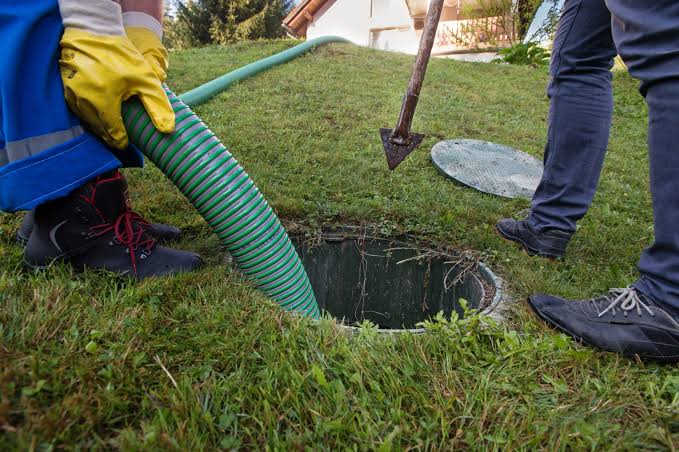
When you own a property with a septic system, there’s an entire piece of household infrastructure working quietly beneath your feet. It handles everything from morning showers to evening dishes, rarely attracting attention unless something goes wrong.
Unfortunately, septic problems can become expensive when routine care is overlooked. What begins as a slow drain or an occasional unpleasant smell may eventually turn into a much bigger concern.
Understanding your septic tank capacity is one of the first steps toward managing wastewater effectively and determining how frequently your system requires professional attention.
Whether you’ve recently purchased a home in Hobbs or have lived on the same property for decades, knowing how to care for your wastewater system can save money, protect your surroundings, and prevent unnecessary stress.
Why Septic Tank Size Matters More Than You Might Think
Not every household produces the same amount of wastewater. A family with four children, for instance, will probably use considerably more water than someone living alone.
Tank size influences how effectively wastewater settles and how much solid material can accumulate between pumping appointments.
A tank that’s too small for the household’s requirements may struggle under heavy demand. Excessive water usage can also interfere with the separation of liquids and solids, potentially affecting the drain field.
Homeowners planning an additional bathroom, expanding their property, or accommodating more family members should consider whether their wastewater system can handle the increased demand.
It’s something that’s easily overlooked during renovation planning.
Before making significant changes to your home, arrange a professional assessment to determine whether your current system remains suitable.
The Importance of Regular Septic Maintenance in Hobbs
Living in southeastern New Mexico means that homeowners with private wastewater systems need to pay attention to their property’s individual soil and drainage conditions.
Scheduling septic system maintenance in Hobbs NM can help property owners understand the condition of their equipment, establish appropriate pumping intervals, and recognize potential problems before they become expensive emergencies.
Conventional household septic tanks commonly require pumping every three to five years. However, the appropriate schedule depends on household consumption, tank size, accumulated solids, and system design.
Waiting until wastewater starts backing up isn’t an effective maintenance strategy.
Keep a simple record of inspection dates, pumping appointments, and completed repairs. Even a note on your phone can make it easier to remember when the next service is due.
Understanding the Value of Professional Septic Servicing
A septic system consists of more than an underground container collecting household waste. Depending on its design, it may include filters, pumps, distribution components, and specialized treatment equipment.
Arranging an appropriate septic treatment system service allows qualified technicians to examine accessible components, assess operating conditions, and identify maintenance or repair requirements.
For properties using advanced treatment equipment, regular servicing may be particularly important because mechanical and electrical components require additional attention.
A malfunctioning pump or obstructed filter can interfere with normal wastewater movement even when the tank itself remains structurally sound.
Professional attention helps homeowners distinguish between routine maintenance requirements and problems that need more extensive repairs.
That distinction matters, especially when you’re trying to keep household expenses under control.
Recognizing the Signs That Something Isn’t Right
Septic problems often begin with relatively minor inconveniences.
Maybe the bathroom sink seems slower than usual. Perhaps there’s a persistent odor near the backyard, or the toilet makes strange bubbling sounds after someone finishes showering.
Unexplained wet patches around the drain field may also deserve investigation.
These symptoms don’t necessarily confirm that your septic system is failing, but ignoring them rarely helps.
If sewage backs up into your home, stop using plumbing fixtures and water-consuming appliances until a professional has assessed the situation.
Avoid direct contact with contaminated water and keep children and pets away from affected areas.
Never attempt to enter a septic tank yourself. Dangerous gases and oxygen-deficient conditions make these spaces extremely hazardous.
Managing Household Water Consumption Wisely
You don’t have to completely change your lifestyle to take better care of your septic system. A few practical adjustments can make a meaningful difference.
Running several loads of laundry back-to-back, for example, introduces a large volume of wastewater into the system within a relatively short period.
Spreading laundry throughout the week may help reduce sudden demands.
Repair continuously running toilets and dripping faucets. Avoid unnecessary water consumption wherever practical.
Be mindful of what enters your drains, too. Cooking grease, disposable wipes, paper towels, and hygiene products belong in the trash rather than the plumbing system.
These small decisions become important when repeated consistently over several years.
Giving Your Drain Field the Protection It Deserves
The drain field plays an essential role in conventional septic systems by allowing partially treated wastewater to undergo further treatment within suitable soil.
Unfortunately, homeowners sometimes unknowingly damage this area through landscaping or everyday property use.
Parking vehicles over the drain field may compact the soil or damage buried components. Large trees and shrubs can introduce root-related complications.
Excessive irrigation and redirected roof runoff may also interfere with normal drainage.
Before undertaking landscaping projects or constructing additional outdoor structures, identify where your wastewater infrastructure is located.
Keeping this area protected is considerably easier than dealing with the consequences of preventable damage.
A Little Attention Today Can Prevent Bigger Problems Tomorrow
Septic ownership doesn’t have to mean constantly worrying about wastewater or unexpected repair bills.
Understanding your household’s requirements, arranging timely servicing, and practicing sensible water usage can help maintain dependable system performance.
For Hobbs homeowners, investing in preventive care is also a way of protecting their property and surrounding environment.
A well-maintained septic system may never become the most interesting feature of your home. But considering the important work it performs every day, it certainly deserves its fair share of attention.