
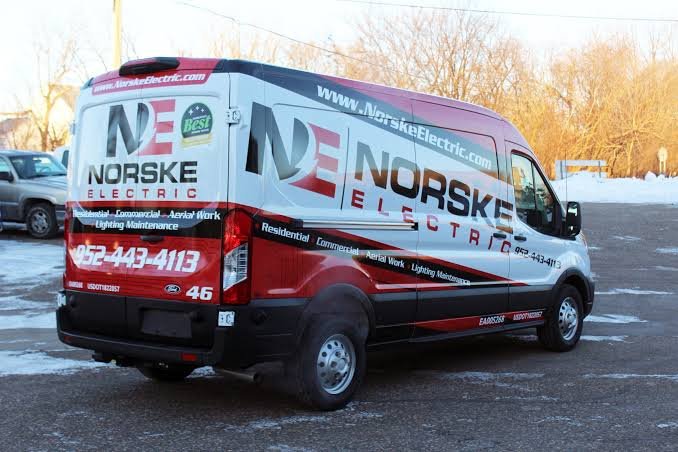
A building, vehicle, or piece of equipment can be more than a functional object. With the right visual treatment, it can become a recognizable part of a brand, a memorable feature in a public space, or a practical surface that communicates something important. This is where creative surface design, architectural detailing, and specialty wrapping come together.
From transforming construction machinery to refreshing commercial interiors, modern wrapping solutions offer businesses a flexible way to improve appearance without committing to expensive, permanent changes. At the same time, architectural installations can turn ordinary spaces into environments that feel intentional, engaging, and distinctive. The common thread is simple: thoughtful design can change how people experience a physical object or place.
Beyond Paint: Why Wrapping Has Become So Popular
Paint has traditionally been the go-to option for changing the appearance of vehicles, machinery, and commercial surfaces. It still has its place, but wrapping has introduced a more adaptable alternative. High-quality films can be applied in a wide range of colors, textures, patterns, and finishes, from understated matte surfaces to bold branded graphics.
One major advantage is flexibility. A company can update its visual identity, promote a campaign, or refresh an older asset without permanently altering the original surface. If the design needs to change later, the wrap can often be removed or replaced, depending on the material and application conditions.
For businesses managing fleets or equipment, this flexibility can be especially useful. heavy equipment often works in demanding environments, yet it still represents the company operating it. A well-designed wrap can help identify machinery, display safety information, or reinforce brand recognition while keeping the underlying finish protected from everyday wear.
Of course, wrapping isn’t a magic solution for every surface. Preparation, material selection, installation quality, and environmental conditions all matter. A design may look impressive on a screen but fail in practice if the film isn’t suited to heat, moisture, abrasion, or frequent cleaning.
Making Architecture More Expressive
Architecture is often discussed in terms of structure, function, and durability. But the visual experience of a space matters just as much. People remember the atmosphere of a hotel lobby, the feel of a retail store, or the identity of a corporate reception area. Materials, lighting, signage, and surface treatments all contribute to that impression.
This is where architectural installations can make a meaningful difference. These installations may include dimensional lettering, decorative panels, branded wall features, sculptural elements, custom graphics, or other designed components integrated into a built environment. They can be subtle, such as a textured feature wall, or dramatic, such as a large-scale statement piece in a public venue.
The best installations don’t simply fill empty space. They support the purpose of the environment. A healthcare facility might use calming graphics and clear directional elements to make navigation easier. A technology company may choose a dynamic reception feature that reflects innovation. A restaurant could use layered materials and custom signage to create a sense of place.
Good design begins with understanding the space. How do people move through it? What do they notice first? Where does natural light fall? Will the installation be viewed up close, from a distance, or from multiple angles? These questions help ensure that the final result feels connected to its surroundings rather than added as an afterthought.
The Practical Benefits of Specialty Wrapping
Visual appeal is only part of the story. Specialty wraps can also serve practical purposes, depending on the material and application.
Some films provide a degree of protection against minor scratches, surface scuffs, sunlight, and routine exposure. Others are selected for specific properties, such as textured finishes, easier maintenance, privacy effects, or improved visual consistency across different surfaces.
For businesses, this can translate into easier branding management. Instead of ordering entirely new assets every time a design changes, a company may be able to update existing surfaces. That can reduce waste and help maintain a consistent appearance across locations, vehicles, and equipment.
There are also opportunities for personalization. custom specialty wraps can be designed for unusual shapes, specific dimensions, and unique brand requirements. A standard template may work for a common vehicle or flat wall, but specialty projects often require more attention to contours, seams, access points, and installation limitations.
The key is to match the wrap to the job. A film designed for indoor decorative use may not be appropriate for outdoor machinery. Similarly, a surface exposed to constant friction or harsh chemicals may need a more durable solution. Material specifications and professional recommendations should guide the decision.
Design Should Serve the Brand
A wrap or installation can be visually striking and still miss the mark if it doesn’t communicate the right message. Branding is not just about placing a logo on a surface. It’s about creating a recognizable visual language through color, typography, imagery, scale, and consistency.
For example, a logistics company may want its fleet to look dependable and easy to identify on the road. A construction business might prefer bold, high-contrast graphics that remain visible in busy work environments. A retail brand may focus on creating a polished experience that encourages customers to spend more time in the store.
The design should also account for the audience. A graphic that works well at a trade show may feel overwhelming in a quiet office. A playful installation might suit a children’s learning center but not a formal financial institution. Context is what turns decoration into communication.
It helps to begin with a clear brief: What is the goal? Who should notice the design? What information must be visible? What mood should the space or asset create? Once those questions are answered, creative decisions become more purposeful.
Installation Quality Makes a Difference
Even the strongest concept can be undermined by poor execution. Surface preparation is one of the most important stages in any wrapping project. Dirt, grease, moisture, damaged finishes, and uneven surfaces can affect adhesion and create visible imperfections.
Professional installers also understand how to handle edges, curves, corners, joins, and difficult access areas. On architectural projects, accurate measurements and careful coordination with existing fixtures are equally important. A small error can become obvious when a graphic is misaligned or a panel doesn’t fit as intended.
Maintenance should be considered before installation, too. Different materials have different cleaning requirements and expected lifespans. A surface that looks beautiful but is difficult to maintain may become a burden over time. Choosing materials with the environment in mind helps preserve both appearance and value.
A More Flexible Future for Physical Branding
As businesses look for creative ways to stand out, physical branding is becoming more adaptable. Wrapping and architectural design offer a middle ground between temporary decoration and permanent construction. They allow organizations to experiment, refresh their surroundings, and express their identity without always starting from scratch.
The most successful projects balance creativity with practicality. They consider the material, the environment, the audience, and the long-term purpose. Whether the goal is to modernize equipment, improve a customer-facing space, or create a memorable architectural feature, the details matter.
Ultimately, a well-executed wrap or installation does more than change how something looks. It changes how people recognize, understand, and interact with it. And that, when done thoughtfully, is where design becomes genuinely useful.